Understanding Metal Crates
Discover the different uses of metal crates, from pet housing to storage solutions. Learn safety tips, sizing, and material advantages.
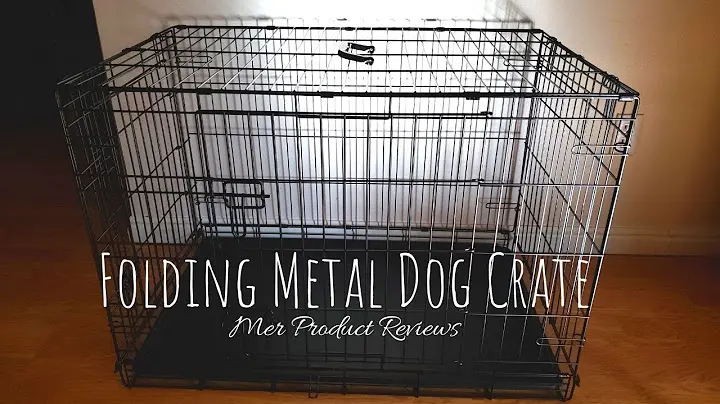
Metal crates are versatile enclosures made from steel, aluminum, or other durable metals. They are engineered to provide secure, long‑lasting containment for pets, livestock, or stored goods. Unlike plastic or wooden alternatives, metal crates resist dents, rot, and fire, making them ideal for environments that demand strength, hygiene, and easy cleaning. This guide explains the key types, how they differ for animal use versus general storage, and practical considerations for selecting the right crate for your needs.
Definition & types
Metal crates are defined by their construction from metal sheets or tubes, joined by welding, rivets, or bolts. The most common materials are steel—often galvanized or stainless for corrosion resistance—and aluminum, which offers a lighter weight while maintaining structural integrity. Within the metal crate category, there are several subtypes: rectangular or square cages with hinged or removable doors, stackable units for modular storage, and custom‑fabricated enclosures with adjustable panels. Each subtype serves distinct purposes. For example, a rectangular steel cage with a secure latch is standard for small animal housing, while a stackable aluminum unit with interlocking corners is popular in warehouses for palletized goods. The choice of material and design directly impacts durability, maintenance, and suitability for the intended application. In pet housing, metal crates often feature ventilation slats or mesh panels to promote airflow and prevent overheating. They may also include non‑slip flooring and reinforced corners to withstand chewing or scratching. For storage, metal crates prioritize access and organization; many models incorporate sliding doors, lockable hinges, and labeling slots. Some storage crates are designed for hazardous materials, featuring chemical‑resistant coatings and fire‑stop seals. The versatility of metal construction allows for customization—adding wheels for mobility, insulation for temperature control, or integrated shelving for multi‑level storage. When selecting a metal crate, consider the load capacity, the environment (indoor vs. outdoor), and any regulatory requirements such as animal welfare standards or hazardous material handling codes. The combination of material choice, construction quality, and design features determines the crate’s performance, lifespan, and safety profile.
Pet‑specific vs. storage crates
Pet‑specific metal crates are engineered with animal welfare in mind. They incorporate features such as secure locking mechanisms that prevent accidental escape, smooth edges to avoid injury, and ventilation systems that maintain a comfortable microclimate. The floor is often raised or lined with non‑slip material to reduce the risk of slipping and to facilitate cleaning. These crates are typically sized to allow the animal to stand, turn, and lie down comfortably, with dimensions that meet or exceed industry guidelines for species and size. In contrast, storage metal crates prioritize capacity, accessibility, and durability for goods rather than living creatures. They are built to support heavy loads, often with reinforced frames and thicker gauge metal. Doors are designed for quick opening and closing, sometimes with latch or lock systems that secure the contents during transport or storage. Ventilation is less critical, though some storage crates include mesh panels to prevent moisture buildup. The interior may be flat or feature removable trays for organized storage of items such as tools, chemicals, or inventory. The key distinctions between pet‑specific and storage crates lie in safety, ergonomics, and regulatory compliance. Pet crates must adhere to animal welfare standards, which dictate minimum space, ventilation, and secure locking. Storage crates, meanwhile, must meet occupational safety regulations, such as OSHA guidelines for load-bearing structures, and may require fire‑resistant or chemical‑resistant coatings depending on the stored materials. Choosing the right crate type involves assessing the primary function: if the enclosure will house a living animal, prioritize pet‑specific design features; if it will store goods, focus on load capacity, ease of access, and compliance with storage regulations. Proper selection ensures safety, longevity, and optimal performance for both animals and stored items.
Safety guidelines
Metal crates are widely used for pet housing and storage, but their safety depends on design, material quality, and proper use. First, inspect the crate for sharp edges or burrs that could injure a pet or damage stored items. A smooth, rounded interior reduces the risk of cuts or abrasions. Second, ensure the crate’s locking mechanism is secure yet operable by the user. A faulty latch can trap a pet or allow accidental opening, compromising safety. Third, consider ventilation. Metal crates with adequate airflow prevent overheating and moisture buildup, which can lead to mold or metal corrosion. For pet use, a mesh panel or perforated door is recommended; for storage, a vented lid or built‑in air channels are preferable. Fourth, check the crate’s weight capacity. Overloading a crate can cause structural failure, especially if the metal is thin or welded poorly. Manufacturers typically provide a maximum load rating; always stay below this limit. Fifth, keep the crate away from direct heat sources such as radiators or open flames, as metal can conduct heat and pose burn hazards. Finally, for pets, monitor the crate’s temperature in hot or cold environments. In extreme heat, use a reflective cover or place the crate in a shaded area; in cold weather, add insulation or a heat source to prevent hypothermia. By following these guidelines, users can maintain a safe environment for both pets and stored goods.
Choosing the right size
Selecting an appropriately sized metal crate is crucial for comfort, functionality, and safety. For pets, the crate should allow the animal to stand, turn, and lie down comfortably. A general rule is to add 2–4 inches to the pet’s length for length, and 1–2 inches to the height for vertical clearance. For example, a 30‑inch‑long dog would need a crate at least 32–34 inches long. For storage, the crate’s dimensions should match the items’ size and the space where it will be placed. Measure the longest item and add a few inches for ease of loading and unloading. Additionally, consider the crate’s depth; a shallow crate may be suitable for small items, while a deeper one can accommodate taller objects or multiple layers. Weight capacity is another factor: heavier items require a sturdier frame and thicker metal. Look for crates with reinforced corners and double‑welded seams, which distribute load more evenly. Material choice also affects size selection; stainless steel crates are heavier but more durable, while aluminum offers lighter weight but may require thicker gauges for the same load. Finally, think about mobility: if the crate will be moved frequently, a lighter material or a design with wheels may be advantageous. By evaluating length, height, depth, weight capacity, material, and mobility, users can choose a metal crate that meets their specific needs while ensuring safety and durability.
Maintenance tips
Metal crates are durable and versatile, but proper upkeep is essential to keep them safe, hygienic, and long‑lasting for both pets and storage applications. The first step in maintenance is regular cleaning. For pet crates, use a mild soap or pet‑safe disinfectant and warm water to wipe down the interior walls, floor, and any removable trays. Avoid harsh chemicals that can corrode metal or leave residues that might irritate a pet’s skin. For storage crates, a dry microfiber cloth or a damp wipe with a neutral cleaner will remove dust and prevent buildup of grime that could compromise the metal’s integrity. After cleaning, rinse the crate with clean water and dry it thoroughly to prevent rusting, especially in humid environments. Second, inspect the crate frequently for signs of wear. Look for loose screws, bent or cracked panels, and any corrosion or pitting. Tighten or replace fasteners promptly, and use a rust‑inhibiting primer or paint on any affected areas to restore the protective coating. Third, protect the crate from environmental stressors. If the crate will be used outdoors or in a damp storage area, apply a weather‑resistant sealant or oil to shield the metal from moisture. For indoor pet use, keep the crate away from direct heat sources or excessive moisture to reduce the risk of condensation and subsequent rust. Fourth, maintain the crate’s structural integrity by ensuring that any hinges or locking mechanisms remain lubricated. A light application of silicone spray or a specialized hinge lubricant will keep doors opening smoothly and prevent squeaks or binding. Finally, store the crate properly when not in use. Stack or hang metal crates in a dry, well‑ventilated space, and avoid stacking heavy items directly on top of the crate to prevent deformation. By following these routine cleaning, inspection, and protective steps, users can extend the life of metal crates, maintain a safe environment for pets, and preserve the crate’s appearance and functionality for storage purposes.
