Motor Voter Law: National Voter Registration Act Explained
Learn how the National Voter Registration Act connects voter registration with motor vehicle agencies and other public services.
Motor Voter Law: National Voter Registration Act Explained
Voter information guide | U.S. English | Last reviewed: November 2, 2026
This article describes general election information, not individualized legal advice. Because rules can change, verify official instructions for your state and county before acting.
At a glance
Learn how the National Voter Registration Act connects voter registration with motor vehicle agencies and other public services.
What the Motor Voter law is
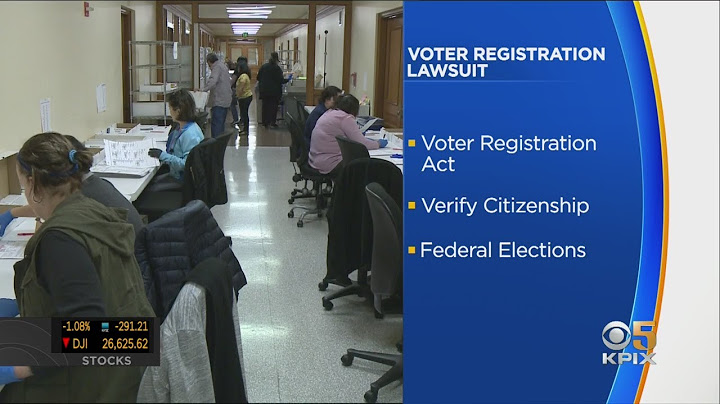
The National Voter Registration Act of 1993, often called the Motor Voter law, established federal requirements to make voter registration available through certain state agencies and by mail. The nickname reflects the registration opportunity associated with driver licensing transactions, but the law also covers other designated settings. It is not simply a rule about renewing a license. Its purpose includes expanding access to voter registration while maintaining procedures for an accurate voter list under the applicable federal and state framework.
The DMV connection
In many states, eligible people may apply to register or update registration during a driver license or identification-card transaction. State implementation can include an offered form or an automatic voter-registration model with particular eligibility safeguards. An applicant should read the actual citizenship and residency questions, rather than assuming every DMV visit changes voting status. A DMV receipt alone is not necessarily proof that an election office has processed a new registration. Check the official voter-status lookup afterward.
Other agencies and accessible registration
The NVRA also covers voter-registration opportunities through agencies providing certain public assistance and disability-related services in covered states. This means the law should not be summarized as “only DMV registration.” Agencies have obligations to provide relevant voter-registration assistance, but the practical application and eligibility checks still depend on governing law. A person receiving an application should supply truthful information and should not confuse help completing a form with government approval of eligibility.
What Motor Voter does not do
The law does not create a single nationwide registration deadline, replace state election offices, or eliminate every identification requirement. It also does not automatically register every person who receives a license or ID. Citizenship, age, residency, and other eligibility rules remain important. People moving between states may need to establish a registration record in the new state and confirm their status. If someone is mistakenly offered a form despite not being eligible, they should not affirm inaccurate information.
A practical check after any agency transaction
After interacting with the DMV or a covered agency, use the official state election website to confirm whether a registration was accepted and whether the address is correct. If an election is near, ask the election office whether there is time for a correction or a permitted in-person procedure. A voter should also distinguish a provisional ballot process from registration itself. For detailed current deadlines, consult the state guides rather than the Motor Voter law explainer.
A DMV example—and its limit
Suppose an eligible citizen updates a driver license and is offered voter registration through the transaction. The person must still provide accurate eligibility information; the data then moves through the process established by the state. The election office may need time to accept and display the registration. By contrast, another person may obtain an identification document without becoming a registered voter. These situations show why the phrases “got a license” and “registered to vote” should not be treated as identical.
Questions readers often ask
What does Motor Voter stand for?
It commonly refers to the National Voter Registration Act of 1993.
Does getting a driver license register me automatically?
Not everywhere. State practices differ, and eligibility and processing requirements still apply.
Can people register outside the DMV?
Yes. The NVRA also addresses mail registration and designated public agencies.
Does Motor Voter override state registration deadlines?
No. Confirm the applicable deadlines with the state election office.
How do I know a DMV registration went through?
Check the official state voter-registration status portal or contact your election office.
Related voter guides
Check Voter Registration Status
Editorial sourcing note
Review against official government or congressional materials before publication. Source references and the per-article verification checklist are provided in the separate editorial manifest; this body intentionally contains internal links only.