Myrmecia Ants: Bulldog Ant Identification, Habitat, and Behavior
Australian ant genus, vision, hunting, nests and defensive stings.
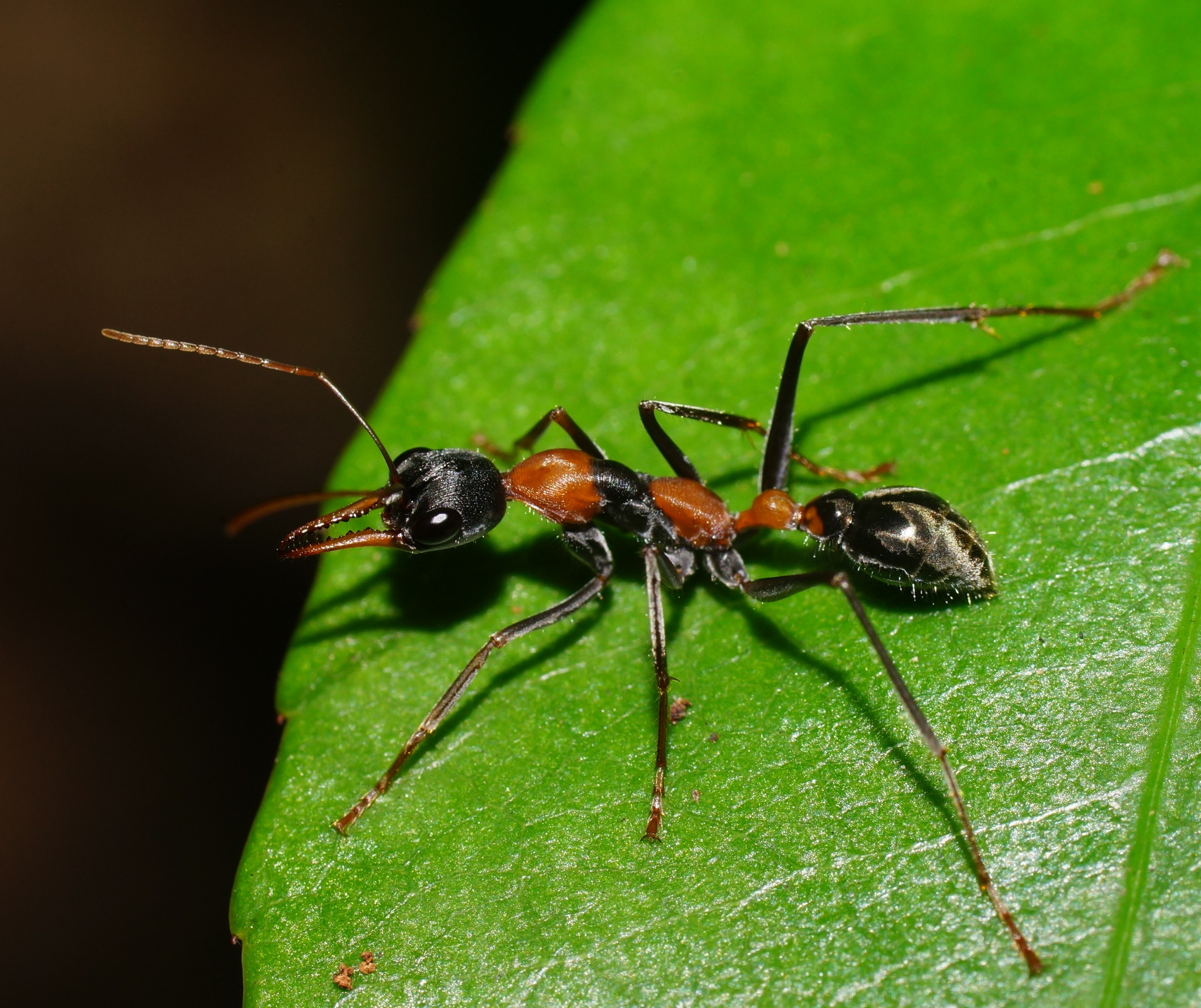
Myrmecia Ants: Bulldog Ant Identification, Habitat, and Behavior
Myrmecia is an Australian ant genus commonly called bull or bulldog ants. Understanding its body plan, habitat and feeding role is more useful than relying on a common name.
How to identify and classify it
Members often have large eyes, powerful jaws and alert behavior.
Invertebrates are extraordinarily diverse, so shared appearance does not guarantee close ancestry. Legs, body segments, feeding parts and modern taxonomic evidence often settle an identification more effectively than color.
Where it is found
Species occur in a range of Australian habitats, and nesting habits vary. Ground nests may be subtle even when workers forage in daylight.
Tiny shifts in moisture, substrate or shelter can change an invertebrate community markedly.
What it eats and its ecosystem role
They hunt other arthropods and may take nectar or other sugar sources. Individual foraging and visual navigation are notable compared with some trail-following ants.
Feeding categories are descriptive. An animal may play several roles over the course of its life.
Reproduction and special adaptations
Colonies have queens, workers and reproductive individuals. Their sting can be painful and potentially serious for someone with an allergy.
Life cycles differ substantially among groups; examples need to be labeled with their own taxonomic scope.
Common mistakes and safety
Members often have large eyes, powerful jaws and alert behavior.
For safety and conservation, observe unfamiliar animals without handling them. Scientific claims about stings, toxins or pathogens should be tied to a known species and reliable source.
The names bull ant and bulldog ant refer to related Myrmecia forms, but common names can be imprecise. Eye size, mandibles, and geographic range provide stronger clues than the name alone.
How scientists study this group
Anatomical terms help more than vague resemblance: count body regions, look at appendages and compare modern group descriptions. Wildlife safety and scientific classification are separate questions. Do not infer that an unfamiliar animal is safe to touch.
Safety note: Australian bull-ant stings may cause severe allergic reactions. Never approach a nest to provoke identification behavior.
Photograph unfamiliar invertebrates in place instead of handling them, especially where venom, parasites or protected species may be involved.
Quick takeaways
Species occur in a range of Australian habitats, and nesting habits vary.
They hunt other arthropods and may take nectar or other sugar sources.
Do not disturb nests or attempt home identification by provoking a sting.
Frequently asked questions
What is Myrmecia Ants?
Myrmecia is an Australian ant genus commonly called bull or bulldog ants.
Where is it found?
Species occur in a range of Australian habitats, and nesting habits vary.
What does it eat or how does it feed?
They hunt other arthropods and may take nectar or other sugar sources.
