Choosing the Best Outdoor Dog Kennel with a Roof
Find durable outdoor dog kennels with roofs. Compare sizes, materials, and weather‑proof features to keep your dog safe outside.
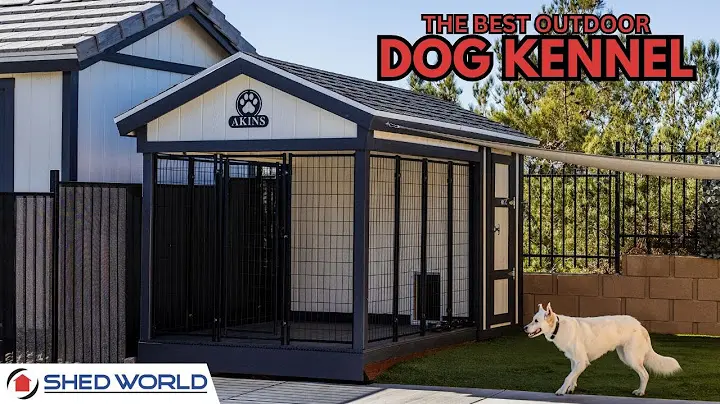
Choosing an outdoor dog kennel with a roof is essential for protecting pets from harsh weather, predators, and pests. A well‑designed roof provides shade, keeps rain out, and can even improve ventilation. This guide explains why a roof matters and compares the most common materials used in outdoor kennels, helping you pick a durable, weather‑resistant solution for your dog.
Why a roof matters
A roof is the first line of defense against the elements, and its importance extends beyond simple shelter. In hot climates, a shaded roof reduces the risk of heatstroke by keeping the kennel interior cooler than the surrounding air. Studies on canine thermoregulation show that shaded areas can lower ambient temperature by up to 10°F, which is critical for dogs with thick coats or short noses.
Rain and snow are equally dangerous. Water infiltration can create damp bedding, leading to fungal growth and skin irritation. A properly pitched roof directs precipitation away from the kennel walls, preventing moisture buildup and mold. In regions with heavy snowfall, a steeply angled roof also reduces snow accumulation, which can otherwise crush a kennel or cause structural damage.
Beyond weather, a roof deters predators and pests. A solid roof blocks access for raccoons, foxes, and even small cats, while a mesh roof can keep insects out while still allowing airflow. This dual function keeps your dog safe and reduces the likelihood of disease transmission from insects such as mosquitoes and ticks.
Finally, a roof extends the lifespan of the kennel. By shielding the frame and flooring from UV radiation and moisture, it reduces material degradation, saving you money on replacements. In summary, a roof is a critical component that enhances safety, comfort, and durability for outdoor dog kennels.
Material comparisons
The durability of an outdoor kennel roof depends largely on the material chosen. Metal roofs, typically made of galvanized steel or aluminum, are lightweight, highly weather‑resistant, and can last 20–30 years with minimal maintenance. Their reflective surfaces also help deflect heat, making them ideal for hot climates. However, metal can conduct cold, so insulation is recommended in colder regions.
Polycarbonate and acrylic sheets offer a transparent alternative that allows natural light while providing excellent UV protection. These plastics are lightweight and impact‑resistant, but they can crack under extreme temperature swings. They also require regular cleaning to maintain clarity and prevent mold growth on the surface.
Wooden slats or cedar panels provide a natural aesthetic and good insulation, but they are susceptible to rot, warping, and insect damage unless treated with preservative finishes. Proper ventilation is essential to prevent moisture buildup, which can accelerate decay.
Composite materials, such as fiber‑reinforced polymers, combine the strength of metal with the weather resistance of plastics. They are heavier but offer superior impact resistance and can be molded into complex shapes, including curved roofs that improve drainage. Their cost is typically higher, but the extended lifespan can offset the initial investment.
When selecting a roof material, consider your local climate, the dog's size and behavior, and maintenance willingness. Metal roofs excel in durability and heat reflection; polycarbonate sheets provide light and clarity; wood offers natural insulation; and composites deliver a balance of strength and weather resistance. Matching the roof material to your specific needs ensures a safe, comfortable, and long‑lasting outdoor kennel.
Size guide (including 10x10, 10x20)
When selecting an outdoor dog kennel with a roof, the first factor to evaluate is the size of the enclosure. A 10x10 kennel offers a compact space suitable for small to medium breeds, providing enough room for the dog to stand, turn, and lie down comfortably while still fitting into a moderate yard. For larger dogs or households that prefer extra room for play or multiple pets, a 10x20 kennel doubles the area, allowing for a more spacious environment without compromising the roof’s protective coverage. It is essential to measure the dog’s length and height, then add a few inches for movement and bedding. A common rule of thumb is to provide at least 30 square feet per dog for a 10x10 kennel and 60 square feet for a 10x20 model. Additionally, consider the height of the roof; a taller roof reduces the chance of the dog climbing over and provides better ventilation. When the kennel is placed outdoors, ensure the roof’s slope directs water away from the entrance to prevent puddles and maintain a dry interior. Finally, confirm that the kennel’s dimensions fit the available outdoor space, leaving room for a path or garden area around the structure.
Top-rated models
Among the most highly regarded outdoor dog kennels with roofs are models that combine durable materials, weather‑proof design, and user-friendly features. One standout option is a steel‑frame kennel finished with rust‑resistant powder coating and a heavy‑gauge corrugated roof that deflects rain and snow. The roof’s integrated drainage system channels water to a built‑in gutter, keeping the interior dry. Another top choice utilizes a reinforced aluminum frame paired with a UV‑protected polycarbonate roof, offering transparency for natural light while shielding the dog from harsh sun. This model also includes a removable, washable floor mat and a hinged door that locks securely, ensuring safety during inclement weather. A third highly rated kennel is constructed from treated hardwood with a laminated roof, providing a natural aesthetic and robust protection against wind and precipitation. It features a raised floor to prevent moisture buildup and a built‑in ventilation panel that can be opened or closed depending on temperature. Each of these models has received positive reviews for their sturdy construction, ease of assembly, and reliable roof performance, making them reliable choices for pet owners seeking long‑lasting outdoor protection.
Installation tips
When setting up an outdoor dog kennel with a roof, the first step is to choose a level, well-drained location that keeps the structure out of direct wind paths while still allowing natural light. A flat area with a slight slope away from the kennel ensures water runoff and prevents puddles that could soak the floor or damage the roof. If the ground is uneven, consider a concrete slab or a raised platform of treated lumber to create a stable base. This foundation also helps maintain the kennel’s structural integrity over time. Next, secure the kennel to the ground. Most manufacturers provide anchor bolts or stakes designed for outdoor use. For metal or heavy-duty plastic kennels, drill pilot holes into the floor or wall and insert stainless‑steel anchors rated for outdoor exposure. For lighter models, use heavy-duty zip ties or ratchet straps that loop through pre‑drilled holes in the kennel frame and attach to a sturdy post or the ground. Proper anchoring prevents the kennel from shifting or tipping during high winds, which is especially important for kennels with a roof that can catch wind. When installing the roof, pay attention to the manufacturer’s recommended orientation. A roof angled away from prevailing winds reduces the chance of wind-driven rain entering the kennel. If the kennel has a removable or hinged roof, ensure the hinges are tightened and the seal is intact to prevent leaks. For permanent roof systems, use a waterproof sealant along all seams and corners, and apply a weather‑proofing spray to the roof material to extend its lifespan. Finally, add a drainage system. Install a small gutter or channel along the roof’s edge to direct water toward a drainage point or a rain barrel. For kennels with a floor, line the interior with a waterproof mat or a removable plastic sheet that can be washed or replaced. This combination of a secure foundation, wind‑resistant roof installation, and effective drainage will keep your dog dry, comfortable, and safe in any weather condition.
