Overnight Dog Boarding: What Happens After Hours?
Find out how overnight dog boarding works, what supervision to ask about, and how to prepare feeding, sleep, emergency and pickup plans.
Overnight Dog Boarding: What Happens After Hours?
Overnight dog boarding means your dog remains at a care facility or approved boarder's home while you are away for at least one night. The word “overnight” does not tell you whether a staff member sleeps on site, whether checks take place after closing, or how emergencies are handled. Those details can vary substantially between businesses, so they deserve direct questions before you book.
A safe plan should explain where the dog sleeps, who is responsible after the last evening shift, when the dog can use the bathroom, and how the team responds if the animal becomes ill. Many dogs rest well overnight after a predictable day. Others need special arrangements because of age, medical treatment, separation distress, or mobility issues.
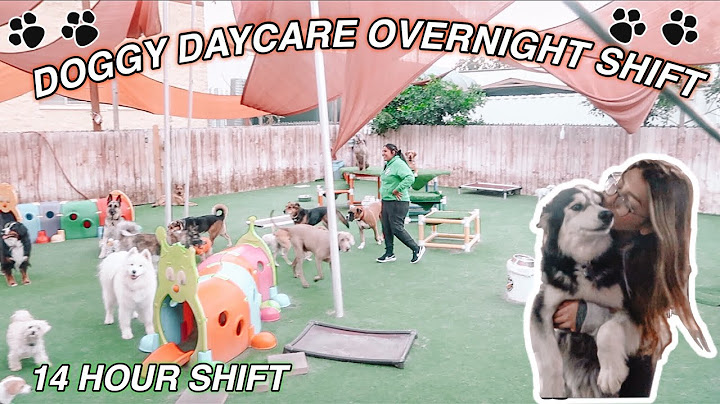
What the Overnight Service Actually Includes
Ask the business to walk you through the schedule from the final afternoon feeding to the next morning's first check. What time is the last bathroom break? When are lights reduced? Are sleeping rooms private? Do dogs share a space, and, if so, under what conditions? Are there individual kennels, suites, or crates? You should know what is happening during the hours not shown in website photographs.
The answer may differ between a large kennel, a small in-home boarder, and a clinic offering boarding. None is automatically the right choice. Your decision should reflect the dog's temperament, handling requirements, and safety needs rather than the label on the building.
Who Is On Site After Closing?
A camera in a lobby is not the same as staff being present. Ask whether employees or a caretaker are physically on site all night, whether personnel leave after a final check, and how alerts reach a responsible person. If no one is on site, request the written escalation process for a fire alarm, temperature failure, escaped animal, or sudden illness. Owners can reasonably prefer a staffed location, especially for dogs needing medication or closer observation.
Questions worth putting in writing include: who holds the emergency phone; how quickly someone can enter the building; whether local emergency services have current access details; and who is authorized to transport a pet for veterinary care. The facility should be able to explain this without making a blanket promise that accidents can never happen.
Sleeping Space, Noise and Monitoring
Look for a clean, secure area where the dog can lie down, stand, turn around, and remain at a comfortable temperature. Ask how barking and other noise are managed, whether fearful dogs are housed away from activity, and whether staff document unusual overnight behavior. Dogs who are not comfortable in social groups may require private sleeping arrangements even when they play well during daytime hours.
Some operators offer webcams. A live picture can provide reassurance, but a camera shows only its field of view and does not administer medicine or intervene. The dog boarding with cameras guide explains coverage, owner access, and technical limitations in more detail. Treat real human supervision as a separate question.
Feeding, Water and Bathroom Breaks
Bring your dog's usual food when requested and provide measured feeding instructions. Ask about the last evening meal, access to drinking water, and whether the operator can handle a dog who needs a late bathroom break. Puppies, older dogs, and dogs with certain health conditions may need a different schedule from healthy adults. Any significant change to prescription diets or medications should be cleared with your veterinarian.
The facility should have a practical process for a dog who has an accident overnight. Ask how bedding is cleaned, how staff distinguish a one-time accident from a possible medical issue, and whether you will be told about it at pickup. A policy that is honest about the limits of overnight coverage is more useful than vague promises of nonstop observation.
Medical Emergencies and Written Authorization
Before drop-off, supply an up-to-date veterinarian contact, a 24-hour emergency clinic option, an alternate person reachable during your travel, and written authorization explaining how the facility may seek care. Discuss estimated veterinary spending limits and how decisions are made if you are unreachable; such instructions may need to fit facility and local legal policies.
Check vaccine and parasite-prevention requirements ahead of time, not the night before travel. AAHA's canine vaccination guidance identifies boarding and other high-contact settings as relevant exposure considerations for some respiratory-disease vaccines. Your veterinarian should advise on timing and suitability; a facility should never invent a medical rule for your individual dog.
Packing for the First Night
Prepare a labeled supply of food, medication in original containers, dose and time instructions, emergency contacts, and a secure leash. Bring bedding or a comfort item if allowed, since some businesses restrict outside textiles. Ask whether your dog's collar remains on overnight or is removed under a facility safety policy. Check whether the team has your dog's identification and current photo.
If possible, arrange an orientation or short trial stay before a longer trip. This can reveal how the dog reacts to the space and routine without assuming that every dog will adapt in the same way. For trips lasting weeks rather than one or two nights, use a more extensive long-term dog boarding plan.
Pickup and Follow-Up
Confirm pickup hours and what happens if your return flight is late. At collection, ask whether the dog ate normally, slept, had any accidents, needed medication, or displayed stress. Monitor your dog's appetite and behavior at home, and contact a veterinarian if you notice persistent coughing, vomiting, diarrhea, injury, or other concerning changes. For an explanation of pricing and late pickup fees, see dog boarding cost.
Frequently Asked Questions
Are dog boarding kennels staffed all night?
Not always. Some sites have overnight personnel; others use scheduled checks or remote alarms. Ask the specific operator for its written after-hours staffing and emergency plan.
Will my dog sleep in a kennel or a room?
It depends on the facility and the service booked. Request a tour or photographs of the exact type of sleeping area, and confirm whether your dog shares space with other animals.
What if my dog needs medication overnight?
Confirm that trained staff are available at the required time and can document administration. If the service cannot provide this, consult your veterinarian about alternatives.
Should I book a trial night?
A short visit can help some dogs and owners learn whether the routine is suitable. It does not guarantee stress-free future stays, but it can identify problems before a longer trip.
Does a webcam mean someone is watching my dog?
No. A viewer feed does not prove staff are monitoring continuously. Ask separately about onsite staffing, emergency responses, and camera coverage limits.