How to Find Pet-Friendly Houses and Homes for Rent
Find houses that welcome dogs and cats. Compare landlords, yard rules, pet fees, rental agreements, and how pet policies differ from apartments.
How to Find Pet-Friendly Houses and Homes for Rent
Finding pet-friendly homes for rent means looking beyond the 'pets allowed' checkbox. A detached house can offer a private entrance, more indoor space and sometimes a yard, but those features do not automatically make the lease easier for dogs or cats. Every property owner can have different expectations about fencing, landscaping, outdoor access and responsibility for damage.
This guide is specifically about renting a house, not comparing apartment amenities or promising available properties in a city. It explains how to screen a home, speak with a landlord and assess whether the space will remain practical after move-in.
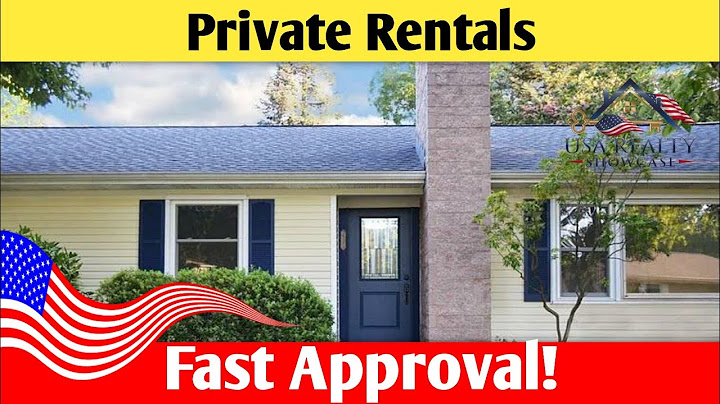
What to Check in a Pet-Friendly House Rental
Begin by confirming that the advertised home permits your animal's species, size and number, not merely that the listing includes the word 'pet.' Ask whether a second dog, an indoor cat, a temporary foster pet or visiting animals require prior approval. Private owners may negotiate some details, but never treat a friendly phone call as a substitute for written lease terms.
Examine the total monthly commitment: base rent, utilities, lawn care, required insurance, pet rent and any other recurring costs. Detached houses sometimes shift maintenance tasks to the tenant. Confirm who pays for pest control, outdoor cleanup, appliance repairs and damage caused by an animal.
How House Policies Differ From Apartment Policies
Apartment communities often have standardized pet addenda and shared-area rules. A single-family rental may be managed by an individual owner, a small agency or a large property manager. There may be no shared dog run, but there may be a fence, gate, driveway and an entire yard to maintain. Those differences affect both the pet routine and your responsibilities.
Ask whether the lease includes separate homeowner-association conditions. For example, a subdivision may impose rules on fencing, waste disposal or noise even when the owner welcomes pets. If the property is part of a homeowners association, request the rules that apply to tenants before signing.
Screening Private Landlords and Property Managers
Be prepared with a concise pet profile describing the animal's age, species, size, routine, vaccination status and relevant training or prior rental references. Provide only information the housing provider legitimately requests. A pet resume can make the conversation concrete, but it does not replace the landlord's written approval.
Protect yourself from rental scams: verify that the advertiser is authorized to rent the property, avoid sending money solely on the basis of photos, and request a tour or independently verified virtual showing. Keep copies of messages and the lease. A landlord who will not answer basic questions about the property or pet rules deserves extra scrutiny.
Yards, Fences, Doors and Neighborhood Safety
A yard is useful only if it suits the pet. Inspect gaps under fencing, latch quality, adjacent roads, gates opened by maintenance crews and the presence of hazards such as standing water or unsafe plants. Ask which yard features are included and who is responsible for repairing a damaged fence. Do not assume an unfenced yard can safely substitute for supervised walks.
Indoor layout matters too. A steep stairway may be difficult for an older dog; open stairs or balconies can present hazards to small animals. Evaluate shade, hot pavement and proximity to safe walking routes. If a cat will stay indoors, check window screens and possible escape routes during deliveries or repairs.
Deposits, Yard Damage and Insurance
Request an itemized explanation of any pet deposit, one-time fee, monthly rent and required liability insurance. The law governing these charges varies by state and locality. If the landlord expects you to pay for chewed trim, scratched flooring or dug-up landscaping, ask how preexisting condition and normal wear are distinguished from damage.
Document the condition of carpets, flooring, fencing, doors and landscaping at move-in with dated photographs, and keep records of agreed repairs. Check whether the insurance being requested actually covers the events the landlord is worried about; renters insurance policies and exclusions differ.
Questions to Ask Before Signing a House Lease
Ask: Which named animals are approved? Is a pet addendum required? Who cleans the yard? Who maintains the fence? Are there rules about leaving an animal outdoors? Does the lease allow pet sitters or a second animal? Will a move-out inspection cover the yard as well as interior rooms? What are the steps if a neighbor complains about barking?
Request clear written answers and compare them with the final contract. For renters seeking a building with shared amenities or a low-maintenance smaller home, the broader pet-friendly apartment checklist may be a better starting point than a house-only search.
Tour and Move-In Checklist
During a showing, test practical routes between the front door and outdoor relief areas, check gates and screens, inspect flooring and photograph existing marks. Locate nearby veterinary care and consider the trip your pet will take on moving day. Plan where the animal will sleep, eat and have privacy away from boxes and movers.
At move-in, confirm how to report maintenance requests involving fences or entrances and give the landlord an emergency contact for your pet if appropriate. A calm adjustment plan reduces avoidable noise and damage while your animal learns the new environment.
Frequently Asked Questions
Are houses with yards always better for dogs? No. A secure yard can help, but safe supervision, exercise, indoor comfort and a workable routine matter more than square footage alone.
Can a private landlord allow a pet that a listing did not mention? You can ask, but permission should be reflected in the application or signed lease. Do not move in an animal based only on a verbal exception.
Who repairs a damaged rental fence? That depends on the lease, the cause of damage and local law. Document its condition before move-in and obtain responsibilities in writing.
Should I create a pet resume? A short, factual profile and appropriate references can help a landlord evaluate a pet, but approval and terms still need documentation.
Are pet fees the same in every state? No. Rules and permitted charges vary. Ask for an itemized written breakdown and check the law that applies to the home.
Related reading: Pet-friendly apartments: renter checklist