Pet Gates with Doors – Guide for Dogs and Cats
Learn how to pick the perfect pet gate with a door for dogs and cats, compare features, installation tips, and safety considerations.
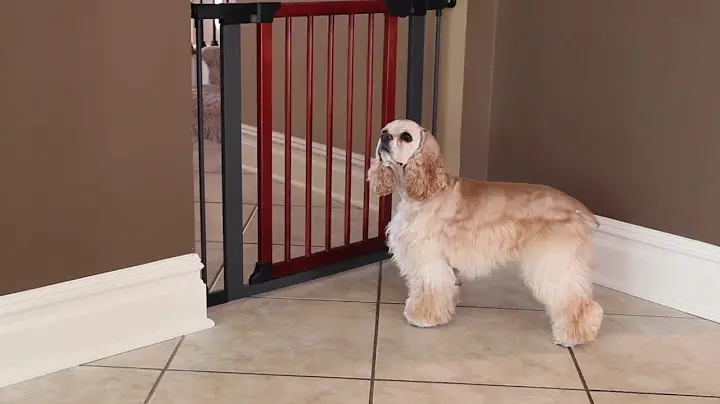
Choosing a pet gate with a door can transform how you manage your home’s boundaries while keeping your dog or cat safe and comfortable. A well‑designed gate lets pets move freely between rooms, prevents unwanted access to hazardous areas, and offers a convenient exit for quick escapes. This guide explains the essential features, compares top models, and provides installation tips so you can select a gate that fits both your pet’s needs and your living space.
Overview
Pet gates with built‑in doors are engineered to accommodate the natural behaviors of dogs and cats. They combine a sturdy barrier with a small opening that allows pets to pass through without the need for a separate door or latch. The door’s size and placement are critical: a door that is too large can let a small dog slip through, while a door that is too small may frustrate a larger cat or dog. Most pet‑gate doors are adjustable, enabling you to set the width to match your pet’s size and your safety requirements. The gate’s frame material—steel, aluminum, or heavy‑duty wood—determines durability and resistance to chewing or scratching. A well‑constructed gate also includes a floor‑level seal or a floor plate to prevent pets from slipping underneath. When choosing a gate, consider the pet’s temperament, the frequency of use, and the layout of the area to be blocked. For example, a gate installed in a hallway may need a higher door to accommodate a tall dog, whereas a gate in a bedroom may only require a lower door for a small cat. By evaluating these factors, you can narrow down options that provide both safety and convenience.
Key Features
The most important feature of a pet gate with a door is the door’s width and height. A width of 12 to 18 inches is suitable for most small to medium dogs, while a height of 30 to 36 inches ensures that taller breeds cannot climb over. Adjustable door frames allow you to modify these dimensions as your pet grows or if you have multiple pets of different sizes. Another critical feature is the latch mechanism. A secure latch that locks when the door is closed prevents pets from forcing the gate open, while a quick‑release latch can be useful for owners who need to open the gate quickly during emergencies. Many gates also include a floor plate or a “no‑under” design that blocks pets from slipping underneath; this is especially important for cats that may try to crawl under the barrier. The frame material affects both strength and aesthetics. Steel frames are the most robust and can withstand aggressive chewing, but they may be heavier and more expensive. Aluminum frames are lighter and rust‑resistant, making them suitable for outdoor use. Wood frames offer a natural look but require regular maintenance to prevent splintering. Finally, consider the ease of installation. Some gates come with pre‑drilled holes and a clear instruction manual, while others require a more complex assembly. A gate that can be installed in under 30 minutes with basic tools will save you time and frustration. By focusing on these key features—door dimensions, latch security, floor seal, frame material, and installation simplicity—you can choose a pet gate that meets your safety needs and fits your home’s design.
Installation Tips
Choosing a pet gate with a door that fits your home’s layout begins with measuring the doorway accurately. Measure the width, height, and depth of the opening, then add a few inches to the width and height of the gate to allow for clearance and ease of movement. Most commercial pet gates with doors are adjustable, but if you have a narrow or irregular doorway, a custom‑fit option may be necessary. When installing, use a stud finder to locate the studs behind the wall; anchoring the gate to studs provides the strongest support and reduces the risk of the gate shifting or falling. If studs are not available, consider using heavy‑duty toggle bolts or masonry anchors, depending on the wall material. The door on the gate should be positioned so that it opens away from the pet’s path to prevent accidental closing. For cats, a smaller, lighter door that can be opened with a gentle push is preferable, while dogs may benefit from a sturdier, wider door that accommodates their size and weight. After securing the gate, test the door’s swing and latch mechanism repeatedly to ensure smooth operation and to confirm that the pet can open and close it without difficulty. Finally, place a non‑slip mat or rug beneath the gate to prevent the pet from slipping or scratching the floor, and keep the area around the gate clear of clutter to avoid tripping hazards.
Safety & Durability
Safety is paramount when selecting a pet gate with a door. Look for gates that are constructed from high‑quality, non‑toxic materials such as solid wood, metal, or reinforced plastic. The door should have a secure latch that prevents the pet from forcing it open, yet be easy enough for the pet to open when needed. For cats, a latch that can be opened with a gentle tug is ideal, whereas dogs may require a latch that can withstand more force. Durability is closely tied to material choice; metal gates tend to resist dents and scratches, while wood gates can be sanded and refinished if they become worn. Additionally, consider gates that are designed with rounded edges and smooth surfaces to reduce the risk of cuts or abrasions. The door’s frame should be reinforced to handle repeated opening and closing cycles, especially for active dogs. When installing, ensure that the gate is level and firmly anchored; a tilted or loose gate can pose a fall risk. Regular maintenance checks—tightening screws, inspecting the latch, and cleaning the door—will extend the gate’s lifespan and maintain its safety features. By selecting a gate that balances robust construction with thoughtful design, pet owners can create a safe, long‑lasting barrier that keeps their animals secure while allowing easy access.
FAQ
When selecting a pet gate with a door, owners often wonder about the balance between security and convenience. The primary concern is whether the door can be reliably closed to prevent pets from slipping through while still allowing easy human passage. Most commercial gates feature a latch or a magnetic closure that is simple to operate yet robust enough to hold a small dog or a cat in place. For households with larger breeds, a heavier‑duty metal frame and a reinforced latch are advisable to withstand stronger pulls. Another common question involves the door’s size relative to the animal. A door that is too narrow may trap a cat’s paws or a dog’s head, leading to frustration or injury. Conversely, a door that is too wide may compromise the gate’s structural integrity. Manufacturers typically provide a range of door widths, and many models allow the door to be adjusted or replaced with a custom panel to match the pet’s dimensions. Installation is another frequent topic of inquiry. Many pet gates are designed for “no‑tool” assembly, using adjustable hinges and a simple latch system that can be set on a wall or a doorway frame. For those who prefer a more permanent solution, a door‑in‑door gate can be mounted directly onto the existing door frame, creating a seamless barrier that does not interfere with the door’s operation. In both cases, it is essential to measure the doorway accurately and to ensure that the gate’s frame aligns with the door’s edges to prevent gaps. Safety considerations extend beyond the door itself. The gate’s frame should be sturdy enough to resist force from a determined animal, and the door should be made of non‑splintering material to avoid cuts. Additionally, owners should monitor the gate’s condition over time, checking for loose screws or worn hinges that could compromise its effectiveness. By addressing these key aspects—security, size, installation, and durability—pet owners can confidently choose a gate that keeps their animals safe while maintaining household convenience.
