Pet Sitter Job Guide: How to Start and Apply
Learn how pet sitting work operates, what platforms may require, and how to assess sitter responsibilities before applying.
Pet Sitter Job Guide: How to Start and Apply
Interested in paid pet-sitting work? Understand what the job involves, how app onboarding differs and which responsibilities come before your first client.
Quick answer
A pet sitter provides agreed care for animals while owners are away, often including feeding, visits, walks, companionship and sometimes overnight stays. Work may be arranged independently or through a platform. Before applying, check eligibility, screening, service commitments, costs, insurance questions and how bookings are confirmed.
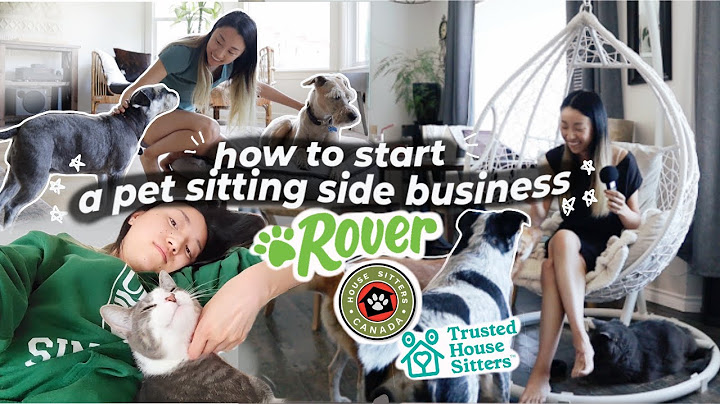
What a pet sitter does—and what a dog walker does
Pet sitting ranges from short home visits to multi-night house sitting or hosting animals. Tasks can include food, fresh water, bathroom access, routine exercise, cleaning and updates to the owner. Dog walking is generally a shorter, time-limited service with special attention to leash handling, route safety and pickup logistics. A person may offer both, but each booking should describe the actual scope of care.
Pet sitters must know their limits. A client may request medication administration, handling an aggressive dog, grooming or other specialized services; you should accept only tasks you are trained and permitted to perform. Care notes are not a substitute for veterinary advice. A reliable professional is willing to refer a client elsewhere when the animal’s needs exceed their ability.
Choose a work model: platform or independent
Marketplaces can provide customer discovery, booking systems and payment processing, but may apply screening rules, service fees and operating policies. Independent sitters handle more of their own scheduling, contracts, marketing, billing, safety procedures and client communication. Neither route promises a certain number of jobs or earnings. Opportunity varies with location, experience, reviews and season.
Before starting, decide which services you can do consistently: drop-in visits around an existing job, walks within a manageable radius, overnight house sitting or boarding at your own property. Each has different travel demands, liability concerns and personal boundaries. Hosting dogs at home also affects household members, resident pets and potentially rental or local rules.
Practical comparison
| Work approach | Potential advantage | Responsibility to verify |
| Platform marketplace | Listings, bookings and payments in one system | Screening, fees, approval, service rules |
| Independent sitter | Direct relationship and custom agreements | Marketing, invoices, insurance and local rules |
| Drop-in work | Short planned visits | Travel buffer and access instructions |
| House sitting | Multi-day care in owner’s home | Night hours, privacy and emergency duties |
| Home boarding | Dog care in your own home | Resident pets, home safety and permissions |
How Rover and Wag onboarding differ in practice
Rover publishes profile requirements, age eligibility and background-check steps for sitters and dog walkers. Its services can include boarding, house sitting, daycare, walks and drop-ins, depending on the provider’s setup. Wag describes a Pet Caregiver app and an Available Services feed for approved caregivers to review and request opportunities. Both platforms have current terms that applicants should read rather than relying on old screenshots or income claims.
Check the current sign-up process directly in the official provider interface: identity verification, age or geographic restrictions, screening fees if applicable, profile approval, service eligibility and any required training. Do not state that approval or a specific job is guaranteed. A responsible application is accurate about experience, availability, home environment and the pets you can safely handle.
Build a credible, accurate caregiver profile
Describe actual experience: household pets cared for, sitting arrangements completed, safe walking skills and relevant training. Do not invent years of professional work or fabricated customer reviews. Explain the size, age and temperament of pets you accept, your travel radius, home type if hosting and the scheduling limitations clients should know.
Use clear photos of the care environment that you have permission to share. Never post client addresses, access codes or medical details publicly. References from genuine past clients can help, but ask permission before using names. Make your description answer practical questions: do you accept puppies, administer a prescribed treatment following written instructions, or care for a dog that cannot be left alone for long?
Safety, meet-and-greets and professional boundaries
Before accepting a booking, ask for vaccination and health considerations relevant to the setting, leash and escape behavior, medication directions, normal routine, owner contacts and a veterinarian. A meet-and-greet helps verify that you can handle the dog and that the proposed environment is safe. Be cautious if a client is unwilling to disclose known bite history, demands services outside your competence or cannot explain emergency authorization.
For house sitting, establish rules about guests, key handling, cameras, private rooms and communication. For boarding, assess your own pets, doors, fences and safe separation options. Keep sensitive client data private, provide updates as agreed and document incidents factually. Never move a client’s animal to a different site without authorization.
Understand costs, fees, status and records
Caregiving may involve background-check charges, transportation costs, cleaning supplies, equipment, taxes and insurance considerations. Platform fees and eligibility can change, and the employment relationship may be different from a traditional hourly job. Read the current provider terms and consult a qualified tax or legal professional about your situation. Do not assume a marketing claim about “earn up to” represents your take-home income.
Maintain a schedule, booking confirmations, signed or in-app agreements, expense records and instructions received. Avoid overbooking: travel, parking and access time can make closely spaced appointments impossible. Decide how many dogs you can safely care for, then leave realistic buffer between bookings. Reliability is usually easier to build with a manageable workload than with an overloaded calendar.
Prepare for your first booking and improve responsibly
Create a checklist for service dates, actual start and end times, contact details, equipment, feeding instructions, walk restrictions and emergency escalation. During the first appointment, follow the owner’s plan, provide the promised updates and report problems early. Afterward, review where the workflow went smoothly or needs clarification. Ask for an honest review rather than scripting a glowing testimonial.
It may take time to build repeat clients, and no platform can ensure that local requests will appear. Evaluate opportunities based on safety, realistic travel, fair scope of care and fit with your schedule. If a prospective client needs constant medical supervision, help them seek more appropriate care. Long-term trust comes from doing exactly what you agreed to do and declining work you cannot complete safely.
Before you book: checklist
Only state genuine experience and skills
Check current age/location/eligibility rules
Complete required screening truthfully
Set manageable service radius and schedule
Create incident and vet-contact procedures
Keep bookings, payments and client information secure
Related guides
Pet Care Apps: How to Compare Dog Sitting Platforms
Dog Sitting: How to Choose the Right Care for Your Dog
Wag vs Rover: Which Pet Care App Fits Your Needs?
Frequently asked questions
Can I start pet sitting without professional experience?
Experience requirements vary. Start only with care you can perform safely, describe your background honestly and check each platform’s current eligibility rules.
Does applying to Rover or Wag guarantee bookings?
No. Approval and job opportunities depend on current requirements, local demand, caregiver fit and scheduling. Neither platform can promise income.
Do pet sitters need insurance?
Needs differ by work model, region and service. Understand the limits of any platform program and consider independent professional coverage where appropriate.
What should I ask before accepting a pet sitting job?
Ask about animal behavior, health, medications, supervision hours, household access, emergencies, other animals and the exact tasks and price.
Is pet sitting the same as veterinary care?
No. Routine care does not make a sitter a veterinarian. Medical decisions, treatment changes and complex clinical needs should be directed to qualified professionals.