How to Choose the Right Pet Stairs for Your Furry Friend
Learn how to pick the perfect pet stairs for dogs and cats. Compare ramps vs. stairs, size, material, and safety features to keep your pet comfortable and independent.
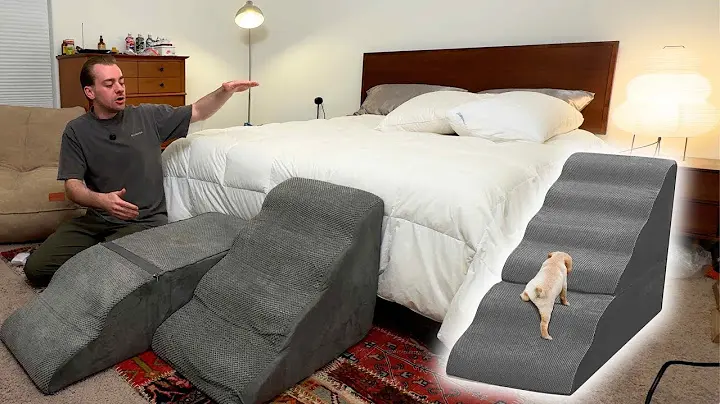
Pet stairs are a simple, low‑cost solution that lets dogs and cats climb onto furniture, beds, or car seats safely. They can improve mobility for older pets, reduce joint strain, and keep your home tidy by preventing your animal from jumping or climbing on unstable surfaces. This guide explains what pet stairs are, when to use them, and how to choose the right type for your pet’s size, health, and lifestyle.
What are pet stairs and when to use them
Pet stairs are compact, step‑style platforms designed specifically for animals. Unlike traditional human stairs, they are usually shorter, have a non‑slip surface, and are built from lightweight materials such as plastic, wood, or metal. They are ideal for pets that need assistance reaching elevated areas—such as a couch, bed, or car seat—without the risk of falling or overexerting themselves. When to use pet stairs depends on your pet’s physical condition and habits. Older dogs or cats with arthritis, hip dysplasia, or other mobility issues benefit from the gentle incline and firm footing that stairs provide. Even healthy pets can use stairs to avoid jumping, which can cause strain on joints and lead to injuries. Stairs are also useful for small breeds that can’t reach high surfaces on their own, or for pets that prefer a step‑by‑step approach rather than a steep ramp. In addition to physical health, pet stairs can help maintain a clean living space. By giving pets a designated route to reach high places, you reduce the likelihood of them scratching or climbing on furniture, which can damage upholstery and create hygiene concerns. Stairs also support training by providing a consistent, predictable path that pets can learn to use safely.
Stairs vs. ramps: pros and cons
Stairs and ramps are the two most common solutions for helping pets access elevated areas. Each has distinct advantages and limitations that depend on the pet’s size, weight, and mobility needs. **Stairs** offer a short, step‑by‑step approach that is easy for many animals to navigate. The individual steps reduce the vertical distance per step, which can be less taxing for joints and muscles. Stairs are typically lighter and more portable than ramps, making them convenient for indoor use or for pets that only need occasional access to a particular surface. However, stairs require the pet to lift its entire body onto each step, which can be challenging for very small or very large animals, or for pets with severe mobility restrictions. **Ramps** provide a continuous incline that allows pets to slide up or down without lifting their entire body. This can be especially beneficial for animals with hip or knee problems, as the gradual slope distributes weight more evenly and reduces joint stress. Ramps also accommodate larger pets that might struggle to step onto a stair. The trade‑off is that ramps are usually heavier, require more floor space, and can be more difficult to store when not in use. Additionally, some pets may be hesitant to use a ramp if it feels too steep or if the surface is slippery. Choosing between stairs and ramps involves evaluating your pet’s physical condition, the height of the target surface, and the available space in your home. For many owners, a combination of both—stairs for everyday use and a ramp for occasional heavy lifting—provides the most flexible solution.
Sizing and weight capacity
Choosing the right size for pet stairs is essential to ensure your dog or cat can use them comfortably and safely. Start by measuring the height of the obstacle you want to help your pet navigate—whether it’s a couch, a low sofa, or a small bed. A good rule of thumb is to make the stairs at least 1.5 to 2 inches taller than the obstacle’s top edge, allowing the pet to step onto the first step without strain. For pets that need to climb multiple steps, the total height of the stairs should not exceed 12 to 18 inches, which is a comfortable range for most dogs and cats. Weight capacity is another critical factor. Most commercial pet stairs are rated for a specific weight range, typically between 20 and 100 pounds. A small terrier or a kitten will comfortably use a lightweight model, while a larger breed such as a Labrador or a Maine Coon cat will require a sturdier design. Always check the manufacturer’s weight limit and compare it to your pet’s weight plus any accessories they might carry, such as a collar or a small backpack. The number of steps also matters. A single-step ramp is suitable for very small pets or for short distances, but for larger pets or higher obstacles, a multi-step design—usually between three and five steps—provides a gradual incline that reduces joint stress. When selecting a multi-step set, ensure the tread depth (the horizontal distance between steps) is at least 4 to 6 inches; this gives pets enough surface area to place their paws securely. Finally, consider the width of the stairs: a minimum of 12 inches is recommended for most dogs, while cats can comfortably use narrower sets of 8 to 10 inches. By matching height, weight capacity, step count, tread depth, and width to your pet’s size and needs, you’ll create a safe, user-friendly solution that encourages independence and reduces the risk of injury.
Materials and safety features
The construction material of pet stairs directly influences durability, traction, and safety. Wood, such as plywood or hardwood, offers a sturdy base and can be finished with non-slip paint or rubber strips. However, wood is heavier and may require additional support on uneven floors. Metal stairs—often made from aluminum or steel—are lightweight, highly durable, and resistant to moisture, making them ideal for outdoor use or in homes with high humidity. Plastic or composite materials are lightweight and easy to clean, but they may lack the structural strength needed for larger pets. Traction is paramount to prevent slips. Look for stairs with textured surfaces or rubberized treads that provide grip even when wet or slick. Some manufacturers incorporate anti-slip pads on the underside of each step, which cling to hardwood or tile floors. For pets with sensitive paws, consider stairs with a smooth, non-abrasive surface to avoid irritation. Safety features such as handrails or side rails add stability, especially for older pets or those with mobility issues. A handrail on the side of a multi-step set allows a pet to hold onto a support while ascending or descending, reducing the risk of falls. Some stairs also include a non-slip base that expands to cover the entire footprint, preventing the set from sliding during use. Ease of assembly and portability are practical considerations. Many pet stairs come with folding or telescoping designs that can be collapsed for storage or travel. Ensure the folding mechanism locks securely to maintain structural integrity during use. Finally, inspect the stairs for sharp edges or loose components; a well-constructed set should have rounded corners and secure fastenings to protect your pet’s paws and joints.
Top recommended models
When choosing pet stairs, the goal is to match the product’s design to your animal’s size, mobility, and the environment where the stairs will be used. The following models have consistently received high ratings from pet owners and veterinarians for their durability, safety features, and ease of use. Each recommendation is based on a combination of user reviews, material quality, and design considerations that address common pet‑stair concerns such as slip resistance, stability, and weight capacity. 1. **K&H Pet Products 2‑Step Cat and Dog Stairs** – This set is praised for its sturdy metal frame and non‑slip rubber treads. The steps are wide enough for most small to medium dogs and cats, and the height of each step is adjustable to accommodate different furniture levels. The product’s weight limit of 100 lb makes it suitable for a variety of pets. 2. **Pet Gear 4‑Step Cat and Dog Stairs** – Known for its lightweight yet robust construction, this model uses a combination of aluminum and high‑density polyethylene. The rubberized treads provide excellent traction, and the steps can be stacked or used individually, offering flexibility for multi‑level homes. 3. **BarkBox Pet Stairs** – Designed with a sleek aesthetic, this brand offers a 3‑step set that is both collapsible and portable. The steps feature a textured surface to prevent slips, and the frame is reinforced with a hidden steel core for added stability. 4. **Tuffy’s 4‑Step Pet Stairs** – This budget-friendly option uses a durable plastic frame with a non‑slip surface. While it may not be as heavy‑duty as the metal‑based models, it comfortably supports pets up to 80 lb and is easy to clean. 5. **PetSafe 2‑Step Stairs** – Ideal for small dogs and cats, this compact set uses a lightweight aluminum frame and a rubberized tread. Its low profile makes it a good choice for narrow spaces or for pets that prefer a closer step height. Each of these models addresses key safety features—such as non‑slip treads, sturdy frames, and appropriate weight limits—while also offering design flexibility for different living spaces. Selecting a model that aligns with your pet’s size and your home layout will help ensure a safe, comfortable, and independent experience for your furry friend.
