Gluten-Free Pizza: Ingredients, Crusts and What to Ask
Learn what gluten-free pizza means, compare crust types and find out what cross-contact questions matter before ordering or baking.
Gluten-Free Pizza: Ingredients, Crusts and What to Ask
Gluten-free pizza can be made with rice flour, corn flour, potato starch, cauliflower or other combinations that avoid conventional wheat-based dough. But a crust without wheat ingredients is only the starting point. Toppings, sauces, kitchen equipment and how food is assembled all matter, especially for someone who must strictly avoid gluten.
What does “gluten-free” mean on a packaged food?
For FDA-regulated packaged foods in the United States, a voluntary “gluten-free” claim must meet the FDA definition. Among its requirements, any unavoidable gluten presence must be below 20 parts per million. The rule also restricts the use of gluten-containing grain ingredients and certain derivatives. A label should be evaluated as a complete claim rather than as a promise of absolute zero exposure.
The FDA packaged-food rule does not operate as an automatic inspection certificate for a restaurant kitchen. The FDA recommends that restaurant menus using “gluten-free” be consistent with its definition, while state and local authorities are important in overseeing food service. A customer should therefore ask about the handling of the finished pizza, not just its advertised crust.
| Where you see the claim | What you can reasonably check | What not to assume |
| Packaged retail pizza | Gluten-free claim, ingredient list, allergen statement and manufacturer details | A front-label claim resolves every separate allergy concern |
| Restaurant menu | Crust ingredients, toppings, shared tools and preparation procedures | Gluten-free crust equals a dedicated kitchen |
| Homemade pizza | Full ingredient labels and kitchen setup | Naturally gluten-free flour can never contact wheat |
Compare common gluten-free crust approaches
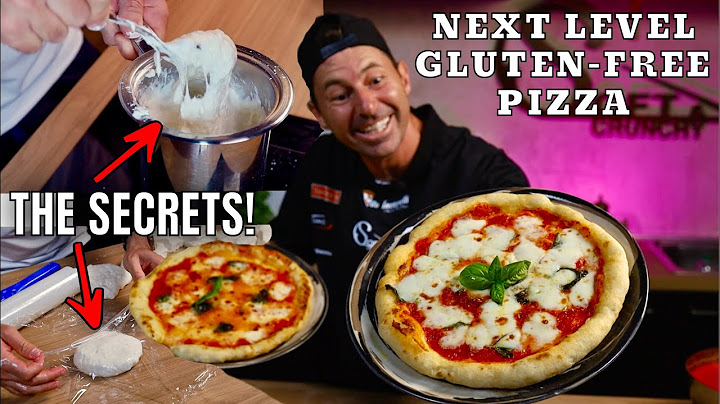
Rice-flour and starch blends often aim for a familiar pizza texture, but formulas vary from brittle and crisp to chewy. Cauliflower-based crusts are not automatically low-carb or gluten-free: many recipes use starch, cheese, eggs or binders, and the label must be checked. Corn-based crusts and other grain-free blends can behave differently in an oven and may require a different cooking time.
When cooking at home, follow the dough or crust maker’s instructions for moisture and heat. Adding too much wet sauce to a thin gluten-free base may leave the center soft even if the edges brown. Bake on a clean surface or a dedicated pan when avoiding gluten cross-contact, and check any flour used for dusting.
The toppings and sauces deserve their own check
Plain tomato sauce, vegetables and mozzarella may sound straightforward, but formulated sauces, seasoned meats, marinades and crunchy toppings sometimes contain ingredients requiring review. Ask for the actual ingredient list when available. Do not assume every sausage, sauce or garnish is the same across chains or restaurant locations.
Wheat, barley, rye and their relevant derivatives are the main gluten concerns. Separate from gluten, pizzas commonly contain milk, and some crusts include eggs or other ingredients that matter for additional allergies. Treat each dietary need as its own question instead of assuming one “free-from” label covers all of them.
Cross-contact: where it can happen
A shared dough bench may have loose wheat flour in the air or on tools. A cutter used for ordinary pizza can transfer crumbs. Shared pans, oven surfaces, tongs and topping containers may also be points of contact. For people with celiac disease, such details can be material even when a crust recipe itself contains no gluten ingredients.
Risk controls may include a clean preparation area, freshly washed hands or changed gloves, separate utensils, dedicated trays and a process for avoiding ordinary flour. Not every restaurant can provide the same measures, and a staff member should be willing to explain the actual process rather than offer a blanket promise.
Five questions to ask before ordering
1. Is the entire finished pizza prepared under a gluten-free procedure, or is only the crust gluten-free?
2. Are the toppings and sauces checked for gluten-containing ingredients?
3. Is there a separate, cleaned prep surface and dedicated cutter, tray or tools?
4. How are shared ovens, dough flour and topping bins managed?
5. Can a manager explain what the kitchen can and cannot guarantee?
If the answers are uncertain, do not treat the pizza as verified safe for someone who needs strict gluten avoidance. Depending on individual medical needs, choosing a clearly labeled packaged product prepared using appropriate precautions at home may allow more control over the steps.
Restaurant ordering versus frozen retail pizza
The main challenge with restaurant pizza is the preparation environment and its transparency. The main decision with packaged frozen pizza is label interpretation, flavor preference, serving size and following the product’s baking instructions. For a grocery-shopping-specific checklist, use the gluten-free frozen pizza guide, which deliberately does not rank products without verified testing.
If you are starting a larger order for friends or family, the pizza ordering guide helps compare pickup, delivery and portions without making unverified claims about local kitchens.
Frequently asked questions
Does cauliflower crust always contain no gluten?
No. It is a style of crust, not a regulated guarantee. Read the ingredient list and any applicable gluten-free label.
Can a pizza with gluten-free crust still have gluten contact?
Yes. Shared tools, flour, surfaces, pans or toppings can introduce gluten to an otherwise gluten-free crust.
Does “gluten-free” mean zero parts per million?
The FDA voluntary packaged-food claim uses a threshold of less than 20 ppm for unavoidable gluten and includes other ingredient restrictions. It is not worded as a guarantee of absolute zero.
Should someone with celiac disease rely on a menu badge alone?
A badge cannot replace checking relevant preparation controls and the finished food. Discuss individual medical needs with a qualified clinician where appropriate.