Everything You Need to Know About Plastic Dog Kennels
Discover the pros and cons of plastic dog kennels, how to choose the right size, safety considerations, and top-rated plastic crates for your pet.
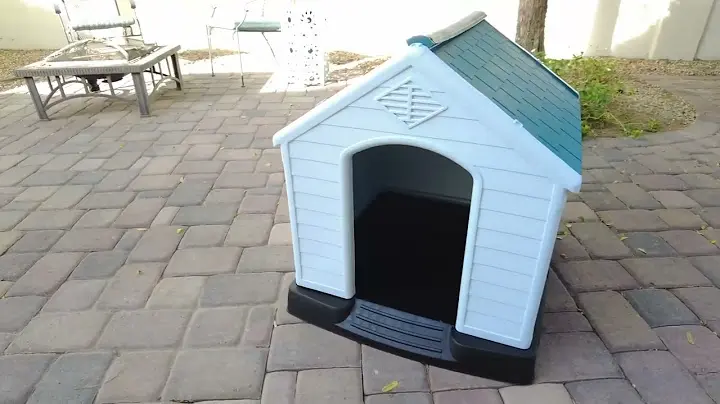
Plastic dog kennels are a popular choice for pet owners who need a lightweight, easy‑to‑clean, and cost‑effective solution for housing or traveling with their dogs. Unlike metal or wooden crates, plastic models are resistant to rust, can be stacked for storage, and often come in a range of sizes to accommodate different breeds. This guide explains why plastic is a practical option, outlines key safety and durability factors, and helps you pick a crate that meets your dog’s needs while keeping both pet and owner safe.
Why choose a plastic kennel?
Plastic kennels offer a blend of convenience and functionality that appeals to many dog owners. First, the material is lightweight, making it simple to move between rooms or load into a vehicle without excessive strain. Second, plastic is inherently resistant to moisture and easy to wipe down, which helps maintain a hygienic environment and reduces the risk of bacterial growth. Third, many plastic crates feature a collapsible design that allows for easy storage when not in use, saving space in homes with limited storage areas. Fourth, plastic is generally more affordable than metal or wooden alternatives, providing a budget‑friendly option for households that need multiple crates or plan to travel frequently. Finally, the clear or translucent options available for plastic crates let owners monitor their dog’s behavior and health without opening the door, which can be useful during vet visits or while the dog is resting.
Safety and durability considerations
When selecting a plastic kennel, safety should be the top priority. Look for crates that meet the American Veterinary Medical Association (AVMA) guidelines for confinement, which include secure, non‑slip hinges and a sturdy latch that prevents accidental opening. The material should be thick enough—typically 1.5 to 2 millimeters—to withstand chewing and scratching, yet not so rigid that it becomes brittle over time. Many reputable brands use double‑wall construction, which adds an extra layer of insulation and structural integrity. Second, consider ventilation: a well‑ventilated crate prevents overheating and allows fresh air circulation. Plastic models often feature mesh panels or perforated sides that maintain airflow while keeping the dog contained. Third, inspect the crate’s base for a non‑slip surface; a rubberized bottom prevents the kennel from sliding on hardwood or tile floors. Fourth, verify that the crate’s dimensions are appropriate for your dog’s size. A crate that is too small can cause distress, while one that is too large may encourage the dog to use one corner as a bathroom. Finally, test the latch mechanism by opening and closing it several times to ensure it remains secure and does not loosen with repeated use.
Size guide for plastic kennels
Choosing the correct size for a plastic kennel is essential for your dog’s comfort and safety. Start by measuring your dog’s length from the tip of the nose to the base of the tail, then add 2–4 inches to allow for movement. Height should be measured from the floor to the top of the head, adding 3–5 inches. Width is the distance from one side of the body to the other; add 2–4 inches for a snug fit. A kennel that is too small can cause distress and health issues, while one that is too large may lead to accidents and lack of containment. For example, a 30‑inch‑long, 20‑inch‑high dog would fit comfortably in a 36‑inch‑long, 24‑inch‑high kennel. Many manufacturers provide a size chart that correlates weight ranges to dimensions, which can help streamline the selection process. It is also wise to consider the kennel’s intended use—short trips versus long stays—as this can influence the required sturdiness and ventilation. By following these measurements, you can ensure a safe, supportive environment for your pet.
Best plastic kennel brands and models
When evaluating plastic kennel options, focus on durability, ventilation, and ease of cleaning. Brands that specialize in pet travel often use high‑density polyethylene, which resists cracking and can withstand temperature extremes. One popular model is the “TravelMate 360,” featuring a reinforced frame, a removable tray for waste, and a vented lid that maintains airflow while preventing escape. Another well‑reviewed option is the “PetSafe SecureCrate,” which incorporates a lockable latch system and a collapsible design for portability. The “K9 Comfort 2‑Tier” offers a double‑deck layout, allowing a small dog to sleep on the lower level while a larger companion can rest above, maximizing space without compromising safety. All these models include a non‑slip floor and are designed to be dishwasher‑safe for quick sanitation. Selecting a kennel from a reputable brand ensures that the product meets industry safety standards and provides long‑term reliability for both short trips and extended stays.
Indoor vs outdoor plastic kennels
Choosing the right environment for a plastic kennel starts with understanding the differences between indoor and outdoor models. Indoor plastic kennels are typically lighter, with fewer ventilation holes, and are designed to fit comfortably in living spaces such as bedrooms or living rooms. They often feature smooth, rounded edges to reduce injury risk and are easier to clean because they are less exposed to weather elements. Outdoor plastic kennels, on the other hand, are built to withstand temperature extremes, UV exposure, and occasional rain. They usually have thicker walls, reinforced corners, and more robust ventilation to keep the dog cool in hot climates while preventing drafts in colder weather. The choice between the two hinges on the dog’s temperament, the climate, and the intended use. For example, a small, anxious dog that prefers a quiet, stable environment may thrive in an indoor kennel, whereas a larger, more active dog that spends time outside may benefit from an outdoor model that can handle rougher conditions. Additionally, indoor kennels are often more aesthetically pleasing for home décor, while outdoor kennels prioritize durability and weatherproofing.
Cleaning and maintenance tips
Maintaining a plastic kennel in a hygienic state requires a systematic approach. First, remove any bedding or waste and discard it in a sealed bag to prevent odor buildup. Next, rinse the kennel with warm water and a mild, pet‑safe detergent. Use a soft brush or sponge to scrub all surfaces, paying special attention to corners and seams where bacteria can accumulate. Rinse thoroughly to eliminate soap residue, which could irritate a dog’s skin. For deeper cleaning, a diluted bleach solution (one tablespoon of bleach per gallon of water) can be used once a month; however, ensure the kennel is rinsed completely afterward to avoid chemical exposure. After cleaning, dry the kennel completely before re‑introducing bedding to prevent mold growth. Periodically inspect the kennel for cracks, loose seams, or worn edges, and replace any damaged parts promptly. Finally, store the kennel in a dry, shaded area to protect it from UV degradation, which can weaken the plastic over time.
Frequently asked questions
When selecting a plastic dog kennel, many owners wonder about the durability of the material. High‑density polyethylene (HDPE) is the most common plastic used in commercial kennels; it resists impact, is lightweight, and does not corrode. Studies on pet crate safety show that HDPE structures can withstand repeated use without cracking, provided the manufacturer follows ASTM F963 standards for pet toys and equipment. Another common question concerns ventilation. Plastic kennels often feature a mesh panel on the front or side. The mesh should be fine enough to keep the dog inside while allowing airflow; a 1‑inch square mesh is a typical standard that balances visibility and containment. Owners also ask whether plastic kennels are suitable for travel. Because plastic is lighter than metal or wood, it is easier to transport, but the crate must still meet the International Air Transport Association (IATA) guidelines for pet travel. This means the kennel should have a secure locking mechanism, a removable floor for cleaning, and a size that fits the dog’s length plus 6–8 inches. Finally, many pet owners worry about the long‑term safety of plastic. Properly manufactured plastic kennels do not leach harmful chemicals; the material is BPA‑free and complies with the U.S. Food and Drug Administration’s (FDA) regulations for pet products. Regular inspection for cracks or wear, and cleaning with mild soap and water, will keep the kennel safe and hygienic for years.
