Understanding Dog Playpens
Answer common questions about dog playpens, their benefits, safety considerations, and whether they’re right for your pet.
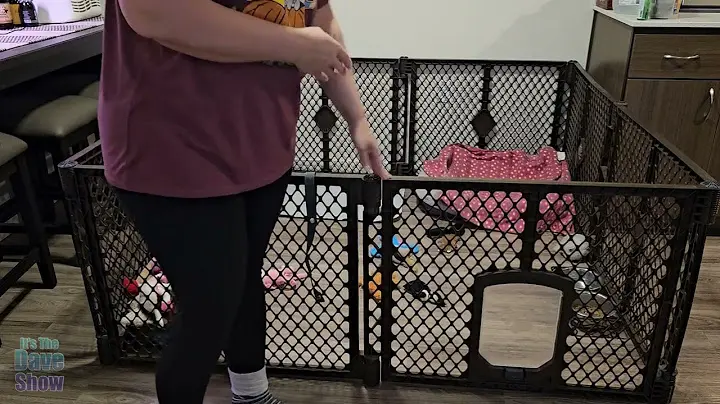
A dog playpen offers a controlled space where pets can exercise, play, and rest safely. By providing a defined boundary, owners can prevent accidents, limit access to hazardous areas, and give dogs a sense of security. This guide explains what a playpen is, its benefits, and essential safety guidelines to help you decide if it’s right for your dog.
What Is a Dog Playpen?
A dog playpen is a portable enclosure designed to contain a dog within a safe, confined area. Typically made from sturdy mesh, vinyl, or lightweight wood, the structure can be assembled quickly and moved as needed. The enclosure usually includes a floor panel or mat to protect the ground and a door that can be opened or closed to allow easy access. Some playpens come with built‑in ramps or steps to help dogs enter and exit without strain. The primary purpose is to give dogs a space where they can play, rest, or be supervised while preventing them from running into dangerous spots such as driveways, stairs, or areas with toxic plants. Playpens are especially useful for puppies learning boundaries, for dogs recovering from surgery, or for households with multiple pets that need separate play areas. They can also serve as a temporary solution during travel or when the owner is away, ensuring the dog remains safe and contained. By providing a predictable environment, playpens help reduce anxiety and encourage positive behavior, as the dog learns that the enclosure is a safe zone rather than a punishment area.
Safety Guidelines
When selecting a playpen, choose a model that meets the dog’s size and activity level. The enclosure should be tall enough—at least 18 inches for small dogs and 24 inches for larger breeds—to prevent jumping over. Mesh or screen panels should have openings no larger than 1.5 inches to stop small dogs from slipping through. Place the playpen on a stable, level surface. Avoid uneven or slippery floors that could cause injury. If the dog will use the pen outdoors, consider a weather‑proof mat or a shade structure to protect from sun and rain. Ensure the floor material is non‑slip and easy to clean, as dogs can leave drool, fur, and waste. Never leave a dog unattended for extended periods. Even in a secure enclosure, dogs can become bored, develop destructive habits, or experience separation anxiety. Rotate toys, provide fresh water, and schedule regular breaks for exercise and bathroom needs. If the dog shows signs of distress—such as excessive barking, pacing, or attempts to escape—remove the dog from the pen and reassess the setup. Finally, supervise the dog’s interaction with the playpen’s door. Some dogs may chew or pull on the latch, creating a potential escape route. Use a sturdy latch or a lockable door to prevent accidental openings. By following these guidelines, owners can create a safe, enjoyable environment that supports their dog’s well-being.
Can You Leave a Dog in a Playpen All Day?
Leaving a dog in a playpen for extended periods can be acceptable under certain conditions, but it is not a substitute for regular exercise and mental stimulation. The American Veterinary Medical Association (AVMA) recommends that dogs receive at least 30 minutes of structured activity daily, which includes walks, play, or training sessions. A playpen can provide a safe, contained environment for a dog to rest or play, but it should not become a permanent confinement. Dogs that are left in a playpen for more than a few hours without breaks may develop behavioral issues such as anxiety, destructive chewing, or excessive barking. The key is to monitor the dog’s behavior and ensure that the playpen is used as a temporary safe space rather than a long‑term solution. For dogs that are anxious or have separation issues, a playpen can help them feel secure while you are away, but it should be paired with enrichment tools like puzzle toys or chew items to keep them occupied. Additionally, the playpen should be placed in a well‑ventilated area with access to water and shade if outdoors. If you plan to leave a dog in a playpen for more than a few hours, consider rotating the dog’s location, providing a comfortable bedding, and ensuring that the dog has a chance to relieve itself before the period begins. In short, a playpen can be part of a responsible care routine, but it should not replace daily walks, mental engagement, or human interaction.
Indoor vs Outdoor Use
Choosing between indoor and outdoor playpen use depends on the dog’s size, temperament, and the environment’s safety. Indoor playpens are ideal for small to medium breeds, puppies, or dogs with health conditions that limit outdoor exposure. They provide a controlled space where temperature, noise, and potential hazards are minimized. Indoor playpens should be placed on a non‑slippery surface, and owners should ensure that the enclosure’s height is appropriate for the dog’s size to prevent escape or injury. For larger breeds, a taller, sturdier frame is necessary to accommodate their height and prevent them from jumping over. Outdoor playpens offer more space for active dogs and can be positioned in a yard or garden. However, outdoor use requires careful consideration of weather conditions, secure fencing, and protection from predators or other animals. The ground surface should be flat and free of sharp objects, and the playpen should be anchored to prevent it from being blown away by wind. Outdoor playpens also allow dogs to experience natural light and fresh air, which can improve their overall well‑being. When using an outdoor playpen, owners should regularly inspect the structure for wear and tear, especially in extreme temperatures that can warp or degrade materials. Additionally, outdoor playpens should be placed away from direct sunlight for extended periods to avoid overheating. In both indoor and outdoor settings, it is essential to provide adequate bedding, water, and enrichment items to keep the dog comfortable and engaged. Ultimately, the choice between indoor and outdoor playpens should be guided by the dog’s individual needs, the safety of the environment, and the owner’s ability to supervise and maintain the enclosure.
Choosing the Right Playpen
Selecting a playpen for your dog involves balancing size, material, and safety features to match your pet’s breed, behavior, and the space available in your home or yard. A well‑chosen playpen keeps your dog contained, prevents destructive behavior, and provides a safe area for exercise and socialization. The first step is to measure the area where the playpen will sit. Measure the length, width, and height of the space, then add a few extra inches to allow for easy entry and exit. For small to medium dogs, a playpen that is at least 8 feet by 8 feet offers enough room for movement and play. Larger breeds or active dogs may require a 12‑by‑12 foot enclosure or more. The height of the walls is also critical; a minimum of 4 feet is recommended to prevent dogs from jumping over, but taller walls may be needed for breeds that are strong jumpers, such as terriers or terrier mixes. Material choice impacts durability, safety, and maintenance. Wire mesh playpens are lightweight and easy to assemble, but they can pose a risk of tangling or injury if the mesh is too tight. Heavy‑duty steel frames with reinforced mesh or nylon panels provide sturdier construction and are less likely to bend under pressure. Fabric playpens are soft and portable but may not hold up against chewing or strong pulls. For pets that chew, a mesh or steel frame with a chew‑resistant barrier is preferable. All playpens should have a smooth, rounded edge to avoid splinters or sharp corners that could cut a dog’s paws. Safety features are essential. Look for a playpen with a secure locking mechanism that prevents accidental opening. Many models include a latch that can be locked from the inside, ensuring the dog cannot escape. The floor of the playpen should be non‑slip, especially if the dog will be running or playing. Rubber or rubber‑coated surfaces reduce the risk of slips and provide a comfortable surface for paws. Additionally, consider a playpen with a removable or washable floor mat for easy cleaning, as dogs can bring dirt and debris inside. Finally, evaluate the playpen’s portability and storage. If you plan to move the playpen between rooms or take it outdoors, choose a model that folds or collapses into a compact size. A lightweight design with a carrying handle or wheels can simplify transportation. If storage space is limited, a playpen that can be disassembled into smaller components will be easier to store in a closet or under a bed. By carefully assessing size, material, safety, and portability, you can select a playpen that meets your dog’s needs and fits seamlessly into your living environment.
