What Phylum Are Sponges In? Porifera Classification Explained
Answer Porifera, describe sponge body plans, feeding, classes, and difference from cnidarians.
What Phylum Are Sponges In? Porifera Classification Explained
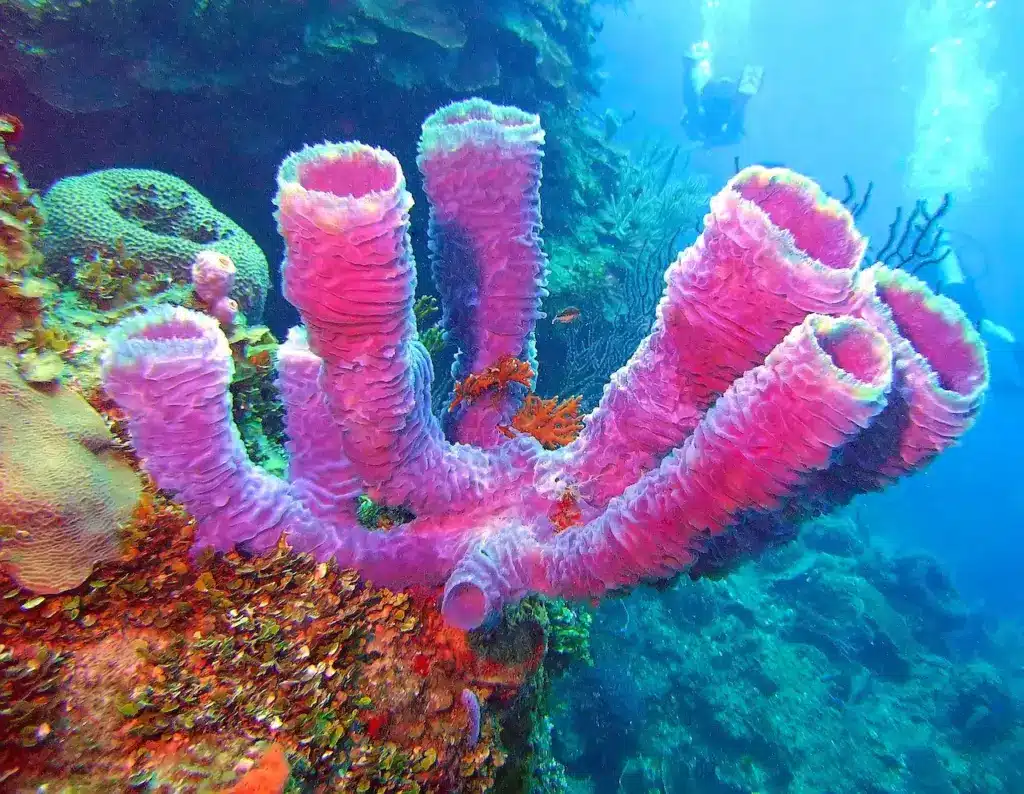
Sponges are animals classified in the phylum Porifera. Understanding its body plan, habitat and feeding role is more useful than relying on a common name.
How to identify and classify it
They lack the organs and tissues found in most familiar animals yet maintain organized water-flow systems.
Invertebrates are extraordinarily diverse, so shared appearance does not guarantee close ancestry. Legs, body segments, feeding parts and modern taxonomic evidence often settle an identification more effectively than color.
Where it is found
Most live in marine environments attached to hard surfaces; a smaller number inhabit fresh water. Their bodies contain pores and channels for water circulation.
Tiny shifts in moisture, substrate or shelter can change an invertebrate community markedly.
What it eats and its ecosystem role
Specialized collar cells help move water and capture microscopic food particles. Sponge filtering influences local water and nutrient dynamics.
Feeding categories are descriptive. An animal may play several roles over the course of its life.
Reproduction and special adaptations
Many reproduce by both sexual and asexual means, depending on species. Larval stages can disperse before settling as attached adults.
Life cycles differ substantially among groups; examples need to be labeled with their own taxonomic scope.
Common mistakes and safety
They lack the organs and tissues found in most familiar animals yet maintain organized water-flow systems.
For safety and conservation, observe unfamiliar animals without handling them. Scientific claims about stings, toxins or pathogens should be tied to a known species and reliable source.
Sponges resemble simple plants or rocks from a distance, yet their filter-feeding cells make them animals. Their unusual organization does not make them bacteria or colonies of unrelated organisms.
How scientists study this group
Anatomical terms help more than vague resemblance: count body regions, look at appendages and compare modern group descriptions. Wildlife safety and scientific classification are separate questions. Do not infer that an unfamiliar animal is safe to touch.
Photograph unfamiliar invertebrates in place instead of handling them, especially where venom, parasites or protected species may be involved.
Quick takeaways
Most live in marine environments attached to hard surfaces; a smaller number inhabit fresh water.
Specialized collar cells help move water and capture microscopic food particles.
A sponge is not a plant simply because it remains attached to rock.
Frequently asked questions
What Phylum Are Sponges In?
Sponges are animals classified in the phylum Porifera.
Where is it found?
Most live in marine environments attached to hard surfaces; a smaller number inhabit fresh water.
What does it eat or how does it feed?
Specialized collar cells help move water and capture microscopic food particles.
