Section 42 Housing: LIHTC Apartments and Income Rules
How Low-Income Housing Tax Credit apartments work and what renters should check
Section 42 Housing: LIHTC Apartments and Income Rules
US Housing Guide | Reviewed for editorial accuracy: November 2026
Section 42 housing commonly refers to rental properties financed with the federal Low-Income Housing Tax Credit (LIHTC). A tax credit supports affordable rental development, while participating properties follow income and rent restrictions. Section 42 is not another name for a Section 8 Housing Choice Voucher.
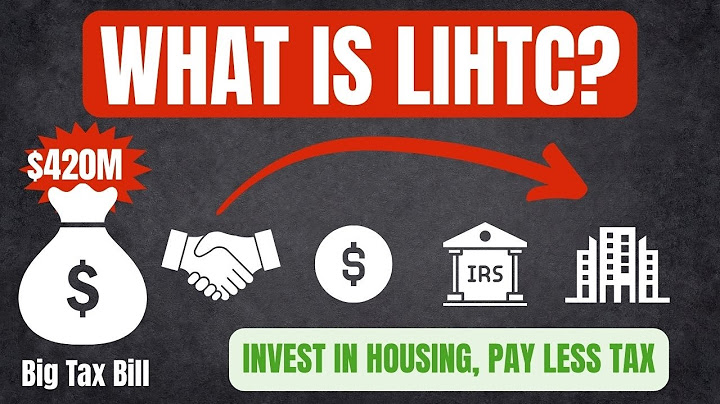
How the tax-credit model works
Investors can receive tax benefits connected to qualifying rental developments. In return, owners commit to reserving units for qualifying households under regulatory agreements. The responsible state housing finance agency allocates credits and monitors compliance alongside other authorities.
Income tiers are not one-size-fits-all
Federal rules allow multiple minimum set-aside structures, including 20-50 and 40-60 tests and an average-income election under applicable rules. Individual LIHTC units can be designated at different income percentages. Ask which income restriction applies to the specific apartment, not just to the complex overall.
Rent limits and utility allowances
Qualifying LIHTC rents are restricted under a program calculation, generally accounting for a utility allowance where tenants pay utilities. This is not the same as a promise that each household’s rent will be 30% of its actual income. Request the written rent, allowance and deposit details.
Applying for a Section 42 apartment
Many LIHTC developments take applications through the property manager rather than through one national application portal. Applicants often document household income, assets and composition; student-status rules can also matter. Each property controls its vacancies and waiting list.
How Section 42 differs from vouchers
A voucher generally provides eligible tenant-based assistance for a qualifying privately rented unit; LIHTC restrictions normally attach to the property. Some properties also have other subsidies. Ask whether assistance can be combined and which agency must approve a lease.
When to verify the latest rules
Tax-credit compliance details, income limits and property-specific rent schedules can change. Use the state housing finance agency, property compliance contact, and current IRS rules as the final sources before paying fees or signing.
Quick verification checklist
Identify the official program or property administrator before applying.
Confirm current application status, household-specific criteria, and all required documents.
Get rent, utilities, deposits and mandatory fees in writing.
Keep copies of official confirmation and update your contact information.
Frequently asked questions
Does Section 42 automatically give me a voucher?
No. LIHTC and the Housing Choice Voucher program are different.
Is Section 42 rent always based on my exact income?
No. Restricted rent limits are typically calculated by program rules, not simply as a percentage of actual tenant income.
Can students qualify?
Special rules can apply to full-time student households; ask the property about applicable exceptions.
Who oversees a Section 42 property?
State housing finance agencies have a central compliance role, alongside property managers and federal tax rules.
Related housing guides
For a broader overview, read income-restricted housing; for voucher-friendly rentals, see the Section 8 house search guide.