Small Drink Tables: Tiny Surfaces With a Purpose
Compare small drink tables with a focus on drink-stand scale and stability. Includes realistic fit checks and practical trade-offs.
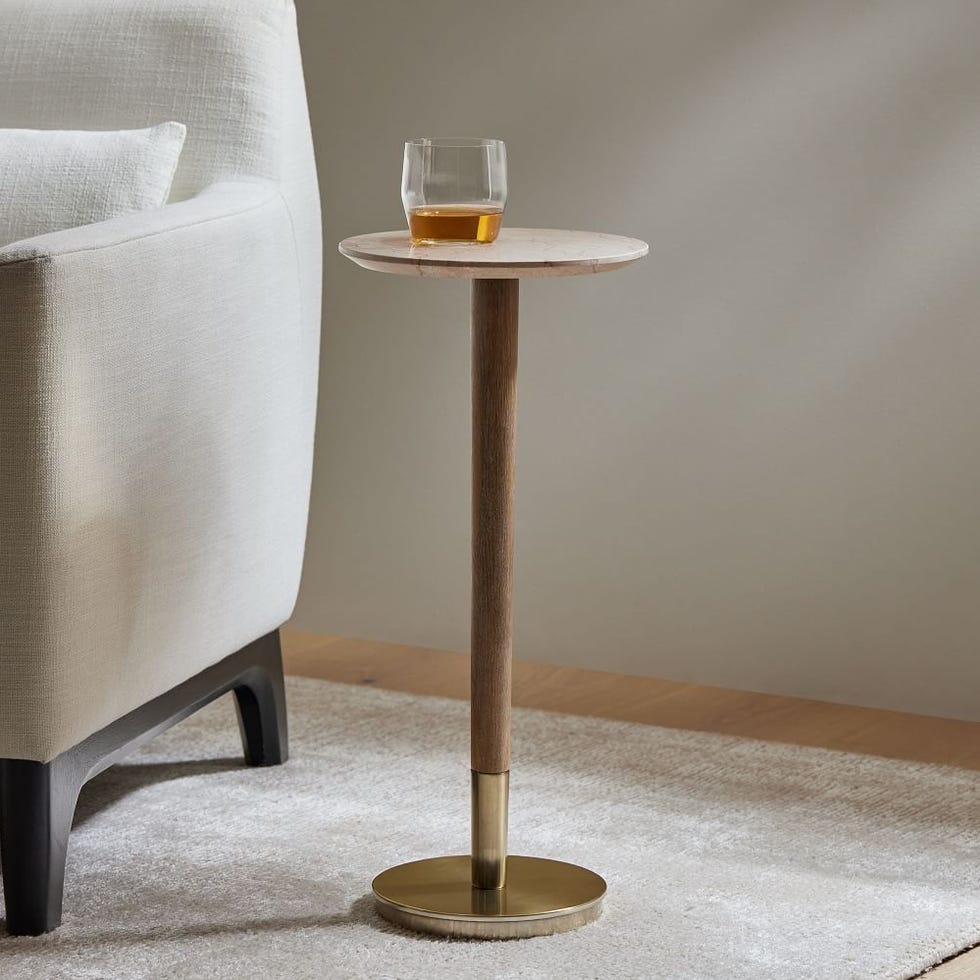
Choosing small drink tables means solving a room-specific problem: drink-stand scale and stability. Start with the daily activity rather than a catalog category. A piece can be appealing on its own yet fail when a chair needs to move, storage opens or somebody walks across the room.
Start with the decision this piece needs to solve
For small drink tables, the relevant decision is drink-stand scale and stability. Before choosing an option, identify the distance to the nearest door, overall width and usable depth, and the exact activity that must happen alongside the furniture. Those constraints decide whether the proposed configuration is genuinely useful.
Measure the room in its usable state
A drawing for small drink tables should include more than the product's outer box. Measure the distance to the nearest door, mark the extra space occupied during use, and leave the adjacent furniture in its normal position. Use cardboard or painter's tape to represent the part of the piece people actually interact with. If an item opens, moves or reclines, mark that second footprint as well.
An easy comparison for small drink tables is to draw two alternatives at identical scale. Give each the same room outline and circulation route. One version should favor drink-stand scale and stability; the other can favor more storage, a different silhouette or more seating. The more functional drawing is the one in which real activities remain possible without repeatedly moving another piece.
Compare the options that change everyday use
Surface purpose: Decide whether it holds a drink, lamp, laptop or several objects before choosing size.
Comparison test: Compare two versions of small drink tables that solve drink-stand scale and stability differently, and record which trade-off matters for your space.
Useful height: Match tabletop height to the adjacent sofa or chair arm for comfortable reach.
The practical detail that deserves a closer look
In the case of small drink tables, one common error is overlooking overall width and usable depth while concentrating on looks. Another is confusing the focus of this page—drink-stand scale and stability—with full side-table storage. A better shortlist makes the differences explicit instead of comparing three options that solve the same problem in slightly different colors.
Think through the finish, cleaning and long-term use
Check the material of small drink tables in the exact construction offered. Ask what components are solid wood, veneer, upholstered, laminated, glass or stone rather than treating the visual style as proof. Inspect how the surface will be cleaned and whether repeated use will loosen fasteners, scratch the finish or make the seating less supportive.
A five-minute planning exercise
Sketch small drink tables at its true outside dimensions; label one constraint the guide is intended to resolve: drink-stand scale and stability.
Try the real activity linked to small drink table: sitting, standing, opening a compartment, reaching a tabletop, or arranging the seating.
Compare a layout that prioritizes drink-stand scale and stability with one that prioritizes flexibility or floor clearance. Record the trade-off.
Mistakes worth avoiding
Avoid mixing this article's main decision with full side-table storage. Where a specialized question is better answered in another guide, make that a separate choice instead of trying to solve everything through one product.
The practical takeaway
The strongest choice for small drink tables is the one that supports drink-stand scale and stability without creating a new problem at the doorway, cabinet or main seating area. Check that the finish fits your routine and that every moving part has room to operate. If these tests do not pass, revise the layout rather than assuming a more expensive piece will solve it.
Related room-planning guides
Side and End Tables: Height, Shape and Placement