A Buyer’s Guide to Common Skin Care Tools
Compare common skin care tools by their intended use, cleaning needs and suitability for easily irritated skin.
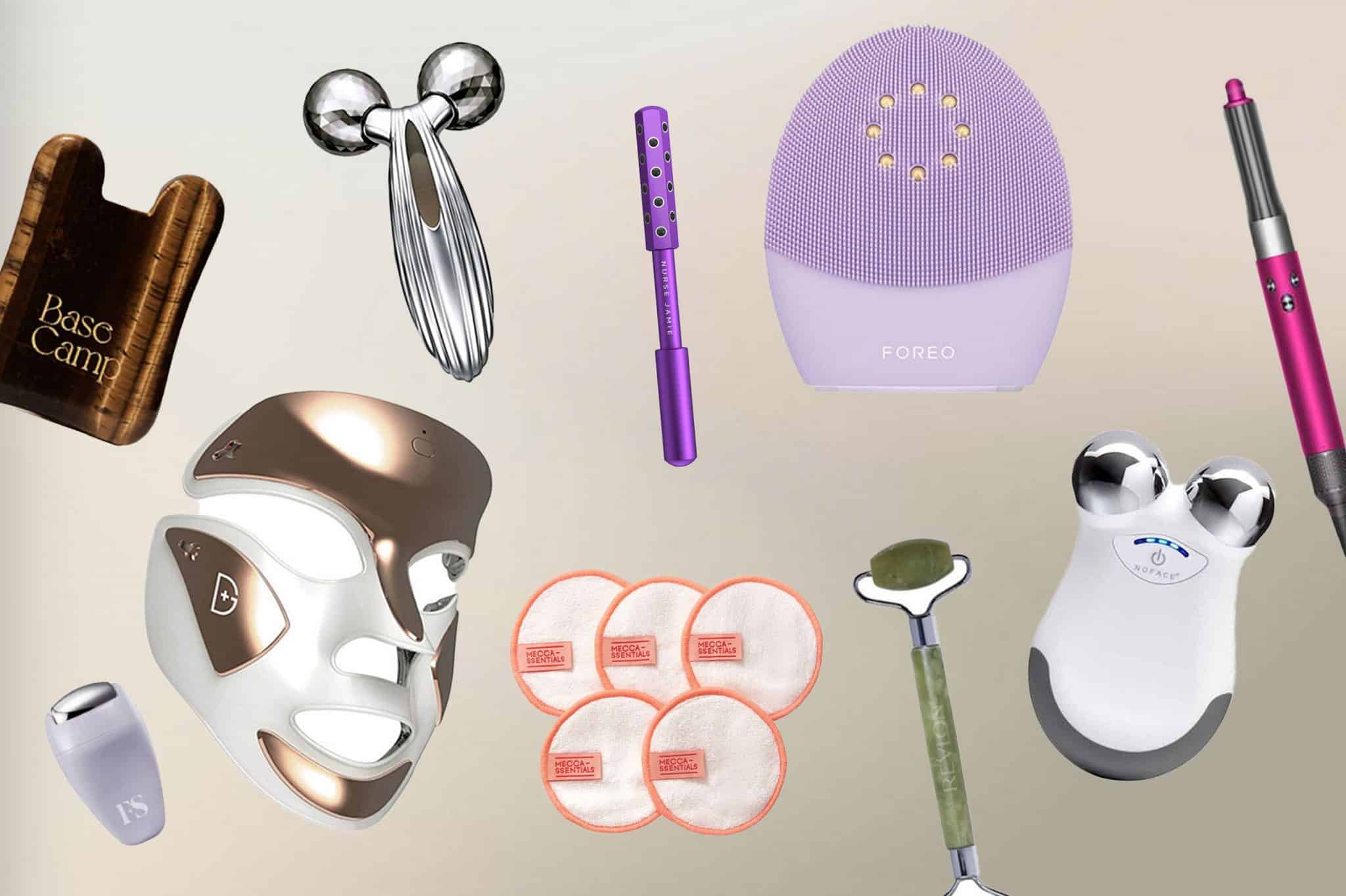
A Buyer’s Guide to Common Skin Care Tools
A skin care tool can be as simple as a reusable washcloth or as complicated as an electrically powered device. Marketing often groups all of them together, but their purposes, cleaning needs, and risks differ. Before buying, decide what practical problem the tool is supposed to solve and whether that problem exists in your current routine.
Compare tool categories before comparing brands
Manual tools include soft cloths, spatulas, and facial rollers. Powered tools may promise cleansing, massage, or cosmetic effects through vibration, light, or other mechanisms. Those differences affect cost, instructions, and potential hazards. A category with convincing photos does not automatically have good evidence for every advertised benefit.
Ask whether the item offers measurable convenience or is mainly a novel experience. A gentle cloth may be enough for routine makeup removal. A device with a more ambitious treatment claim deserves closer inspection of its intended use, warnings, and regulatory context.
Match the tool to skin sensitivity
More friction is not always better cleansing. Scrubbing with a brush or rough material can worsen irritation, especially if you already use exfoliating products. Someone with fragile or inflamed skin should be cautious about tools advertised for deep cleansing, extraction, or aggressive exfoliation.
Avoid using devices on broken or infected skin unless a qualified clinician specifically recommends it. If a device causes pain, burning, persistent redness, or swelling, stop using it. Follow product-specific warnings rather than copying a demonstration that shows excessive pressure or frequency.
Hygiene matters as much as design
A tool that contacts the face needs a realistic cleaning and drying routine. Read the manufacturer’s instructions, including whether the material can be immersed or disinfected. Shared tools can create additional hygiene risks when cleaning is inconsistent. Replace worn components when recommended.
Do not assume a silicone surface or “antimicrobial” marketing phrase makes the product maintenance-free. A damp tool stored in a closed bag can be difficult to keep clean. For a busy routine, an easily washed item may be a better choice than one with complicated attachments.
Evaluate costs, claims, and warranties
Count accessories, replacement heads, charging requirements, and warranty terms before deciding. A device that requires frequent replacement parts may cost more than its initial price suggests. Check whether the company makes cosmetic claims or claims to treat a medical condition, because that affects the type of evidence and review you should look for.
Be skeptical of claims that one tool will eliminate acne, erase scars, or replace professional treatment. If you are considering a home-use light or energy device for a medical concern, consult a qualified professional about suitability and precautions.
The purchase-or-skip test
Before buying a powered facial brush, ask whether your current cleansing method leaves a genuine problem unsolved. If the answer is mostly that the device looks interesting, consider the cost of charging, cleaning, and replacement attachments. If your skin is easily irritated, a new high-friction method may be an especially poor experiment. Put the device aside until you can state a practical benefit that outweighs the added complexity.
A useful checklist
State the job the tool must perform before shopping.
Review skin-sensitivity warnings and stop-use signs.
Confirm cleaning, drying, and replacement instructions.
Include accessory and maintenance costs in your comparison.
Questions readers ask
Do I need a facial tool for a complete routine?
No. Cleansing, moisturizing, and sun protection do not require expensive devices.
Can I share a tool with another person?
Sharing may introduce hygiene concerns. Follow manufacturer guidance and avoid sharing items that cannot be appropriately cleaned.
The right tool earns its place by doing one useful job safely and conveniently. If it complicates a routine or makes your skin uncomfortable, it may be unnecessary.
Keep exploring
If you are considering a professional appointment, Luxury Skin Treatments: Questions to Ask Before Booking.