Spider Webs on Mars: What the Strange Patterns Really Are
The spider-like patterns seen on Mars are seasonal carbon-dioxide ice features, not alien webs. Learn how they form.
Spider Webs on Mars: What the Strange Patterns Really Are
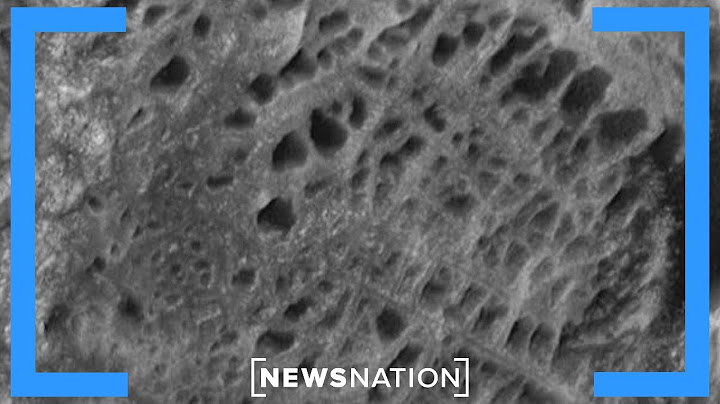
The strange 'spider webs' seen on Mars are not webs and are not signs of giant living spiders. They are branching surface patterns called araneiform terrain, especially visible around the planet's south polar region. NASA's Mars Reconnaissance Orbiter has photographed the features and helped scientists explain how seasonal carbon dioxide ice can sculpt the ground.
What the orbiting camera sees
High-resolution images show dark centers with radiating troughs, channels and fan-shaped deposits. From above, the lines can resemble spider legs or branching webs. The patterns can be hundreds of meters across and occur in regions with seasonal frost. A single photograph represents a patch of Martian terrain seen from orbit—not an animal, structure built by an intelligent species or an actual fabric suspended in the air.
How winter frost prepares the surface
During the cold polar winter, carbon dioxide can freeze out of the atmosphere and form an ice sheet. As spring sunshine returns, light can pass through portions of the translucent ice and warm material beneath it. Carbon dioxide turns directly from solid to gas, a process called sublimation. Gas trapped below the ice increases pressure until cracks or vents release it. This differs from the usual liquid-water erosion process familiar from many landscapes on Earth.
Why dark fans and branching legs appear
Escaping gas can pick up dust and transport it through channels beneath the ice. When the gas breaks through a vent, dust may be deposited around the opening or carried downwind, creating dark fans. Repeated seasonal activity can carve radial channels in the terrain. Differences in surface material and ice conditions lead to many shapes, which is why some sites resemble spiders while others look like more complicated branching patterns.
What scientists can—and cannot—conclude
The images reveal an active seasonal geological process in a world with a thin carbon-dioxide-dominated atmosphere. Researchers test details with laboratory experiments, repeated orbital observations and models of ice pressure. These photographs do not demonstrate liquid oceans at the present surface, and they offer no evidence of extraterrestrial spider life. The biological comparison is a visual nickname that makes a complex landform easier to recognize.
What time-lapse monitoring can teach
A single photograph may show a complicated frozen pattern, but repeat images across Martian seasons help identify which components change. Bright frost may retreat while dark fans appear, and the etched channels can remain after the seasonal cover is gone. That sequence supports the gas-release model more convincingly than a visual resemblance to a biological web. When sharing Mars imagery, include approximate location and whether the capture occurred in winter or spring. A cropped image without its original scale can make a regional landform look like a tiny organism or a vast artificial construction.
Key takeaway
Use the original spacecraft caption when interpreting an image. Its location, season and scale provide more evidence than the striking spider-like nickname.
Frequently asked questions
Are there giant spiders on Mars?
No. The 'spiders' are geological patterns, not animals.
What forms Martian spider features?
Seasonal carbon dioxide ice sublimates and escaping gas can erode channels and move dust.
Where are the formations found?
Many well-known examples occur in the southern polar terrain of Mars.