Storm Cellars: What They Are and How They Compare
Traditional storm cellars versus modern engineered tornado safe rooms. Compare FEMA/ICC guidance and questions to ask an installer.
Storm Cellars: What They Are and How They Compare
US editorial draft • Reviewed November 4, 2026 • Focus keyword: storm cellars
A storm cellar is traditionally a small below-ground space reached through a hatch or stairs, historically used as refuge from severe storms. Modern underground shelters may resemble cellars, but a traditional cellar is not automatically an engineered safe room. To compare them fairly, look at actual construction, the entrance, water risks and documented performance rather than age or local custom.
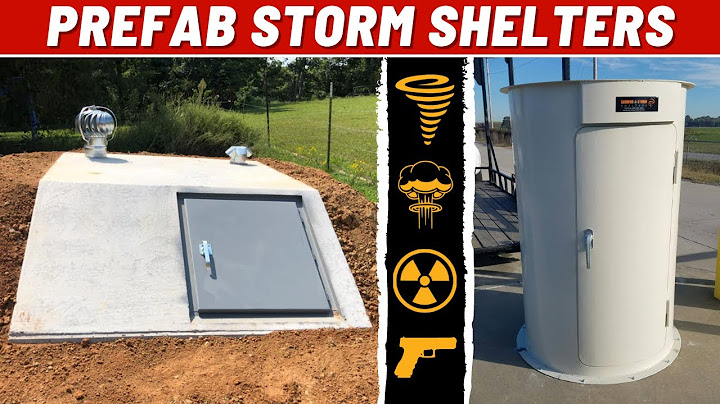
Traditional cellar versus modern safe room
Older cellars may be masonry, earth-covered or site-built with varied construction quality. They can provide some protection from flying debris because they are below ground, but their performance may be unknown. A modern engineered safe room is designed and evaluated under specified loads and impact requirements.
A cellar's appearance does not tell you how the entry door, roof, supports or ventilation behave under extreme winds. Avoid describing inherited or undocumented structures as compliant simply because people have used them for decades.
Inspect before depending on an existing cellar
Have a qualified professional review walls, roof integrity, groundwater intrusion, movement, cracks and the hatch assembly. Evaluate drainage, seasonal flooding and whether soil loads are adequately handled. Do not enter a structurally compromised or water-filled enclosure.
Practice opening and closing the entrance in realistic conditions. A hatch blocked by debris or a steep, slippery staircase can make a cellar unusable to some household members.
A workable household access plan
Everyone should know where the cellar is, how to reach it, and how to receive warnings. Keep a flashlight, communication device and essential emergency supplies accessible. A trusted contact or responder should know the location in case debris traps occupants.
Consider whether the cellar is an appropriate choice for residents with mobility constraints, small children or a high-water-table property. A professionally designed accessible above-ground safe room may be a better match.
When replacing or upgrading makes sense
If the enclosure has undocumented construction, damaged access or persistent flooding, ask a qualified engineer whether repairs can bring it to an appropriate standard or whether replacement is more feasible. Do not treat a new door or cosmetic liner as a complete structural upgrade.
If buying a new underground unit, compare documented performance, foundation and flotation provisions, installation qualifications and long-term maintenance instead of relying on the word 'cellar' in an advertisement.
Planning checklist
Inspect old walls, hatch and drainage professionally
Check flood exposure and mobility access
Develop an entry and post-storm contact plan
Common mistake to avoid
Treating an aging cellar as certified without evaluating its condition.
Frequently asked questions
Is a storm cellar the same as a tornado safe room?
No. The terms overlap colloquially but documented design and performance may differ.
Can an old cellar be upgraded?
Sometimes, but a qualified professional must determine what would be required.
Are cellars safe in flood-prone areas?
Flooding can create serious hazards; obtain a site-specific assessment and follow emergency guidance.
What should be checked every season?
Check access, hatch operation, visible structural deterioration, drainage and communication readiness.
Related reading
/topic/tornado-shelters/
/topic/above-ground-tornado-shelter/
/topic/underground-storm-shelters/
/topic/tornado-shelter-cost/
Source notes and safety review
FEMA P-361, Safe Rooms for Tornadoes and Hurricanes (December 2024 edition) — FEMA guidance for residential and community safe rooms; references ICC 500-2023.
FEMA P-320, Taking Shelter from the Storm — Residential safe-room planning, designs, and limitations.
FEMA, Foundation and Anchoring Criteria for Safe Rooms (fact sheet) — Structural anchoring, slab evaluation and installation considerations.
For an active tornado warning, act immediately on National Weather Service and local emergency instructions. Do not travel to a distant shelter if doing so would delay reaching suitable protection.
Editorial status: Draft. Verify local codes, installed-product claims and official source editions before publication. No current warning status, certified product ratings or vendor prices are asserted.