TSLS ETF: Tesla Bear −1X Daily Exposure and Risks
TSLS is Direxion daily -1x Tesla bear ETF, not a 2x short fund. Learn inverse exposure, compounding and key prospectus risks.
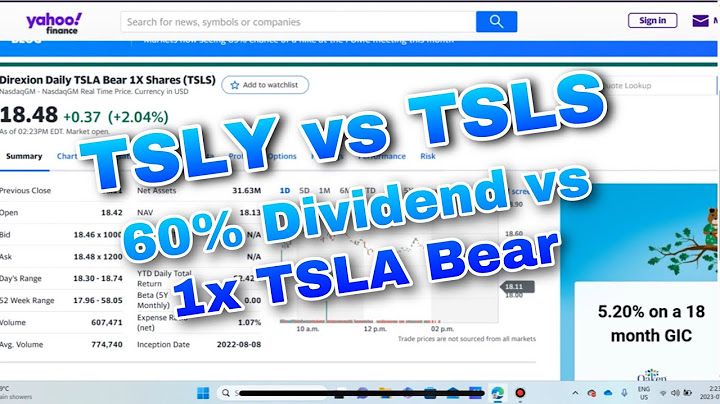
TSLS is the Direxion Daily TSLA Bear 1X ETF. Its defining feature is inverse daily exposure: it seeks -100% of Tesla's daily share-price change before fees and expenses. That is not the same as directly shorting shares and not the same as a -2x product. This guide focuses on inverse exposure, daily resets, corporate-action notices, and the practical pitfalls of reading a TSLS price chart.
TSLS fund identity and its inverse daily objective
Direxion identifies TSLS as a bear-oriented single-stock ETF designed to track the inverse of TSLA's one-day performance before fees and expenses. The fund is an investment in an ETF, not a short position entered directly against Tesla shares in a brokerage account. Its issuer, daily benchmark, share structure, and prospectus should be verified before any comparison with TSLL. A headline calling TSLS '2x short Tesla' is inaccurate; the published daily target is -1x, meaning approximately the opposite percentage move for a single day.
What a -100% daily target means in a simple example
As a simple illustration, if TSLA falls 4% during one trading session, a hypothetical fund meeting the -100% objective would rise about 4% before expenses. If Tesla rises 4%, the targeted return would be about -4%. That example describes an objective, not a guaranteed execution or an exact market-price movement. NAV fluctuations, expenses, market spreads, and fund construction can affect reported results. The inverse target resets for each new trading day, so returns must be compounded rather than computed using a multiweek price change alone.
Why TSLS is not a permanent one-to-one short of Tesla
A directly shorted stock position has its own borrowing, margin, and potential unlimited-loss mechanics; an inverse ETF owns a portfolio of assets and derivatives within a regulated fund structure. TSLS investors can generally lose the capital invested in ETF shares without necessarily facing the same share-borrowing obligations as a direct short seller, provided they do not add borrowing or margin. But that does not make TSLS a permanent hedge. The return relationship is designed around one day and can weaken materially over longer or volatile periods.
How inverse daily compounding affects multi-day outcomes
Suppose Tesla loses 10% on day one and recovers by about 11.11% on day two. A hypothetical inverse fund targeting -1x each day would gain 10% then lose about 11.11%, ending below its starting value despite the stock returning to roughly flat. This compounding behavior is driven by the sequence of daily returns. Fees and tracking effects would add further differences. A prolonged trend can make an inverse fund effective for some daily moves, but choppy price reversals create a particular source of erosion that a static short-position analogy misses.
Where reverse splits, fees and fund distributions are disclosed
Issuer notices about reverse splits, fund fees, distributions, and changes to share identifiers deserve careful review. Direxion published TSLS operational information concerning a reverse split in 2026; stock-chart providers may adjust historical prices differently around that event. A reverse split changes the number of fund shares and price per share but does not by itself create investment gain. When updating a price-history article, verify the split-adjustment convention and source dates. Report distributions as fund payments, not cash dividends paid by Tesla common shares.
TSLS risk checklist before reading a price chart
Before using a TSLS chart, confirm ticker and issuer, check if the price history is reverse-split adjusted, compare returns using the same trading days, and look at the bid/ask spread. Remember that its objective is daily inverse performance, not a standing promise of a yearlong negative correlation of exactly one. Volatility and fund expenses can magnify differences. A bearish view on Tesla does not by itself establish TSLS as appropriate for an individual investor; suitability requires separate assessment of objectives, risk tolerance, and exposure.
Practical verification checklist
Confirm -1x daily target, not -2x.
Inspect reverse-split adjustment notices.
Compare same-day returns rather than multiweek multiples.
Read fund costs, distributions, and derivative risks.
Frequently asked questions
Is TSLS a -2x Tesla ETF?
No. Direxion describes TSLS as a -1x daily inverse Tesla ETF.
Does TSLS always rise when Tesla falls?
That is its daily objective before costs, but exact results are not guaranteed and may differ.
Is TSLS the same as directly shorting TSLA shares?
No. An inverse ETF is a fund with daily-reset mechanics and separate costs and risks.
Why might historical TSLS prices look unusual?
Reverse splits and chart adjustments can change the displayed price per share without changing underlying economic value.
