Best Travel Kennels & Crates for Dogs
Find the safest, airline‑approved travel kennels for dogs. Compare sizes, materials, features, and top-rated models to ensure a stress‑free journey for your pet.
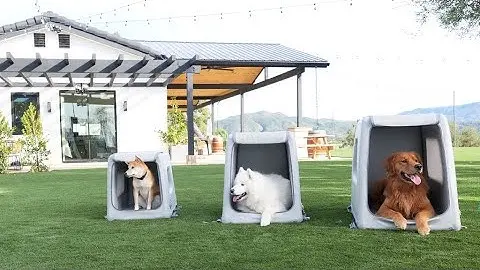
Choosing a travel kennel for dogs that meets airline safety standards and fits your pet comfortably can feel daunting. This guide breaks down the key regulations, sizing tips, and material considerations so you can confidently select a crate that keeps your dog secure, compliant, and stress‑free during air travel.
Understanding Airline Regulations for Pet Crates
Airlines enforce strict guidelines to protect pets and passengers during flights. The International Air Transport Association (IATA) requires that pet crates be sturdy, ventilated, and able to support the animal’s weight. Most carriers accept crates that meet the IATA Pet Transport Manual, which specifies dimensions, door size, and labeling requirements. Airlines also mandate that the crate be labeled with the pet’s name, owner contact information, and a “Live Animal” sticker. Some carriers, such as Delta and United, provide a list of approved crate models on their websites; these models have been tested for crash resistance and secure locking mechanisms. Additionally, the U.S. Department of Transportation’s Federal Aviation Administration (FAA) requires that in‑flight pet carriers be able to withstand a 30‑g impact, ensuring the crate can protect the animal during turbulence or a sudden stop. Compliance with these regulations not only satisfies the airline but also reduces the risk of injury during the journey. In practice, a crate that meets IATA standards will typically be rated for a 30‑g impact, have a secure latch system, and be constructed from durable plastic or metal. By selecting a crate that meets these criteria, you can avoid last‑minute rejections at the gate and give your dog a safer travel experience.
Sizing Guide: Measuring Your Dog for the Perfect Fit
A properly sized crate is essential for comfort and safety. Start by measuring your dog’s length from the tip of the nose to the base of the tail, then add 2–3 inches for headroom. For height, measure from the floor to the top of the ears, and add 4–6 inches to allow the dog to stand upright. Width should be at least the dog’s shoulder width plus 2 inches. These measurements ensure the dog can stand, turn, and lie down without restriction. For example, a 30‑pound Labrador typically requires a crate measuring 35 inches long, 20 inches wide, and 22 inches high. Once you have the dimensions, consult the airline’s specific size limits; many carriers allow a maximum crate length of 36 inches for cabin pets and 60 inches for checked pets. If your dog falls between sizes, choose the larger crate to avoid crowding, which can cause stress and potential injury. Additionally, consider the crate’s interior features: a removable tray for waste, a secure latch that locks from the inside, and a venting system that meets IATA’s airflow requirements. A well‑ventilated crate prevents overheating and ensures fresh air during long flights. By following these measurement steps and checking airline limits, you can select a crate that fits your dog’s body and the airline’s regulations, ensuring a smooth, stress‑free journey.
Materials & Safety Features to Look For
When selecting a travel kennel for dogs, the first priority is safety. The kennel should be constructed from a material that balances durability with weight. Aluminum frames are lightweight yet strong, making them ideal for frequent travel. Steel frames offer superior strength for larger breeds but can add weight, so consider the total load when choosing. The interior should be lined with a removable, washable, and non‑slip material such as a rubber or vinyl mat to keep the dog comfortable and prevent injuries. A secure, double‑locking latch system is essential; the latch should be easy for the owner to open but difficult for the dog to manipulate. Look for a latch that can be locked from the inside and has a secondary safety lock to prevent accidental release. Ventilation is another critical feature. Adequate airflow reduces heat buildup and helps maintain a stable temperature inside the kennel. Most airline‑approved kennels feature multiple mesh panels or a mesh roof. The kennel should also have a removable, insulated floor for added comfort during long flights. Finally, check for compliance with the International Air Transport Association (IATA) guidelines. IATA certification ensures the kennel meets strict size, weight, and structural standards for in‑flight safety. By focusing on these materials and safety features, you can choose a kennel that protects your dog and satisfies airline regulations.
Top Recommended Travel Kennels for Small, Medium, and Large Dogs
For small dogs, the Petmate Sky Kennel 3‑in‑1 is a popular choice. It weighs under 5 pounds, is lightweight, and meets IATA size limits. The kennel’s aluminum frame and removable mesh roof provide ventilation and durability. The interior is lined with a washable, non‑slip mat, and the latch system is secure yet easy to operate. The Petmate Sky is also approved by major airlines, making it a reliable option for owners of small breeds. Medium‑sized dogs benefit from the AmazonBasics 3‑in‑1 Travel Dog Crate. This kennel weighs approximately 6.5 pounds and features a sturdy aluminum frame. It includes a removable, washable interior pad and a mesh roof for ventilation. The latch system is double‑locking, and the kennel meets IATA guidelines. The crate’s dimensions accommodate breeds up to 30 pounds, and its lightweight design simplifies handling during travel. Large dogs require a more robust solution, such as the Petmate 3‑in‑1 Travel Dog Crate with a 36‑inch length. This kennel is built from a heavy‑duty aluminum frame and can support dogs up to 50 pounds. It features a removable, insulated floor, a mesh roof for ventilation, and a secure latch system. The kennel’s dimensions comply with IATA regulations for large‑breed travel. While heavier than the smaller models, it remains manageable for most travelers and offers the necessary strength and safety for larger dogs.
Additional Accessories: Pads, Water Bowls, and Travel Bags
When traveling with a dog, the crate is only part of the equation; the accessories that accompany it can significantly influence the animal’s comfort and the owner’s convenience. A high‑quality, absorbent pad or liner is essential for maintaining hygiene and preventing the crate’s interior from becoming a breeding ground for bacteria. Look for pads that are machine‑washable, have a non‑slip backing, and are rated for at least 30 days of use. Brands that use a blend of microfiber and natural fibers tend to offer superior moisture‑wicking properties while remaining gentle on a dog’s paws. For instance, a 12‑inch by 18‑inch pad will fit most medium‑sized crates and can be folded into a compact pouch for easy transport. Hydration is another critical factor. A collapsible water bowl that attaches to the crate’s side or hangs from a strap can keep a dog hydrated without the risk of spills. Stainless‑steel or BPA‑free plastic bowls are preferable because they resist odors and are easy to clean. Some models come with a built‑in suction cup or a clip‑on system that secures the bowl in place during flight turbulence. When selecting a bowl, consider the dog’s size; a 1‑quart bowl is suitable for small breeds, while a 2‑quart or larger bowl is better for medium to large dogs. Travel bags designed specifically for dog crates add another layer of practicality. These bags typically feature reinforced zippers, padded shoulder straps, and a dedicated compartment for the crate’s pad and water bowl. A well‑designed travel bag can transform a bulky crate into a manageable carry‑on item. Look for bags that meet airline carry‑on dimensions—usually no more than 22 inches in total length—to avoid extra fees. Many travel bags also include a separate pocket for leashes, medication, and a small first‑aid kit, ensuring that all essentials are within arm’s reach. By pairing a reliable pad, a spill‑proof water bowl, and a sturdy travel bag, owners can create a seamless travel experience that keeps their dog safe, comfortable, and ready for any flight or road trip.
