US–Israel–Iran War in 2026: Verified Timeline and November 1 Status
A dated explainer of the US–Israel–Iran war, major developments, and November 1 diplomatic efforts, with sourced updates.
LATEST NEWS / EDITORIAL EXPLAINER
US–Israel–Iran War in 2026: Verified Timeline and November 1 Status
REPORTING SNAPSHOT • NOVEMBER 1, 2026
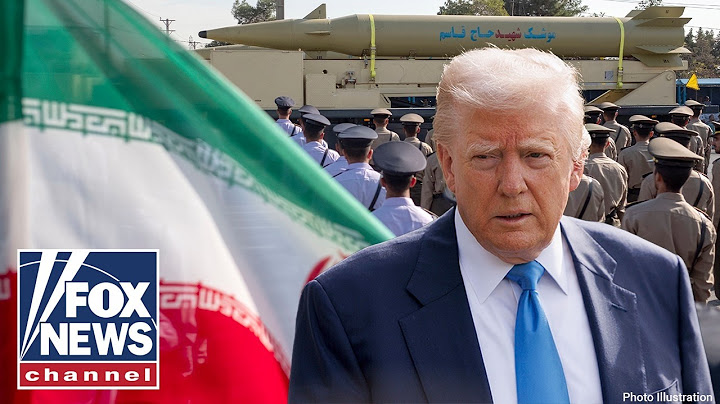
Status as of November 1, 2026 (reporting-day snapshot): Iranian negotiators were in Doha for a third consecutive day of indirect diplomatic discussions mediated by Qatar, according to Reuters. Negotiations were aimed at ending the ongoing US-Israeli war with Iran. The existence of talks did not mean a ceasefire or peace settlement had been concluded, and officials continued to warn of possible renewed military action.
Publication standard: This page is a dated explainer, not a live feed. Its description of military, political, and humanitarian conditions reflects reports available on November 1. Recheck all fast-changing claims immediately before publication and add a dated update when substantial facts change.
What is the conflict described in November 2026 reporting?
Reuters characterized the war as an approximately eight-month US-Israeli conflict with Iran. Reporting in late October and early November described continuing regional threats and disruptions to shipping and energy markets. The precise status of particular battlefields, casualties, and military deployments cannot be established from a single diplomatic story and is intentionally not summarized here with unsupported numbers.
A useful distinction is between fighting, threatened future strikes, and diplomatic negotiations. Political leaders may issue conditional warnings; those warnings should not be reported as attacks that have already occurred. Similarly, an offer communicated to a mediator is not a signed agreement.
Dated timeline: negotiations and threats
October 27: Reuters reported that Qatar urged Iran to demonstrate good faith in mediation, including addressing regional threats and the Strait of Hormuz. The report described efforts by regional governments to reduce tensions.
October 29: Reuters reported that hopes for renewed diplomacy were affecting oil prices even while supply concerns and regional security risks remained. Market movements are evidence of expectations, not proof that fighting has stopped.
October 30: Accounts of Qatar's diplomacy described continued contacts about a way forward. Specific draft plans and conditions remained subjects of negotiation, not settled public agreements.
October 31: Reuters reported that Iranian representatives met Qatari mediators following lengthy talks in Tehran. The news agency described fears of additional US strikes after the November 3 US midterm elections and said that differences remained over proposals.
November 1: Reuters reported a third day of meetings in Doha and contacts coordinated through Qatari intermediaries and Washington. The same account said US officials preferred a diplomatic outcome but had not ruled out later military action.
What role is Qatar playing?
Qatar is acting as a mediator, helping convey proposals and messages between parties that are not necessarily sitting together in direct bilateral talks. Mediation can clarify terms, identify possible compromises, and prevent misunderstandings. It is not itself evidence that all parties have agreed to halt military operations.
Reuters described disagreements over proposed confidence-building arrangements and the sequencing of steps involving shipping, sanctions or other conditions. Some claims about proposals came from officials or people briefed on the discussions, and the final terms remained uncertain at the reporting cutoff.
What officials were saying about future strikes
Reuters reported that President Donald Trump had said the United States would not attack Iran before the November 3 vote while leaving open later action. Secretary of State Marco Rubio reportedly said no decision on further strikes had been made and that diplomacy was preferred. These are attributed statements about intentions and possibilities, not independent verification of what military operations would occur next.
Iranian officials also warned that further attacks could trigger retaliation against US or Israeli interests in the region. Such warnings matter for regional risk but should not be treated as confirmation of an event that has not happened.
Humanitarian and economic context
Prolonged conflict can affect civilians through displacement, access to health care, damaged infrastructure, disrupted livelihoods, and restrictions on transport. Reuters described serious regional and oil-shipping disruption. This page deliberately does not claim a comprehensive civilian casualty total because an up-to-date, independently comparable source was not established for this snapshot.
Maritime security and the Strait of Hormuz are relevant because oil and shipping disruptions have effects far outside the immediate region. Price movements may reflect both supply conditions and traders' expectations; they do not by themselves establish the outcome of negotiations.
What remains unresolved at this cutoff?
There was no verified final agreement in the November 1 Reuters account. The timing of any ceasefire, the sequence of proposed concessions, the future of shipping arrangements, and the likelihood of further military activity remained uncertain. Readers should distinguish the date of the event from the date of this article and consult subsequently dated reporting for later outcomes.
Updates and corrections ledger
November 1, 2026: Initial dated overview based on Reuters reporting through November 1. No outcome beyond the reported talks is asserted. If subsequently updated, record the new date, changed fact, and source rather than silently presenting later information as known at this cutoff.
Frequently asked questions
Had the US, Israel, and Iran reached a final peace deal by November 1, 2026?
No final agreement was reported in the November 1 Reuters diplomatic account; talks were continuing.
Where were the latest talks happening?
Reuters reported that Iranian negotiators were meeting Qatari mediators in Doha.
Did the report confirm a new US strike after the midterm elections?
No. It described warnings and possible future action, not a confirmed strike after an election that had not yet occurred.
Why is the Strait of Hormuz mentioned?
Shipping and oil-market access formed part of the regional economic and diplomatic dispute, so developments there affected the wider consequences of the conflict.
Related reading
For a different question, see News Reporting: Sources, Verification, and Ethics. These guides cover different reader intents and should not replace this page.