VIX Futures: Contract Basics, Term Structure, and Risk
Learn what VIX futures contracts are, why their prices can differ from spot VIX, what contango means, and which contract details traders check.
VIX & VOLATILITY PRODUCTS | US FINANCIAL EDUCATION
VIX Futures: Contract Basics, Term Structure, and Risk
Source check: November 6, 2026 • Evergreen guide • No live price feed
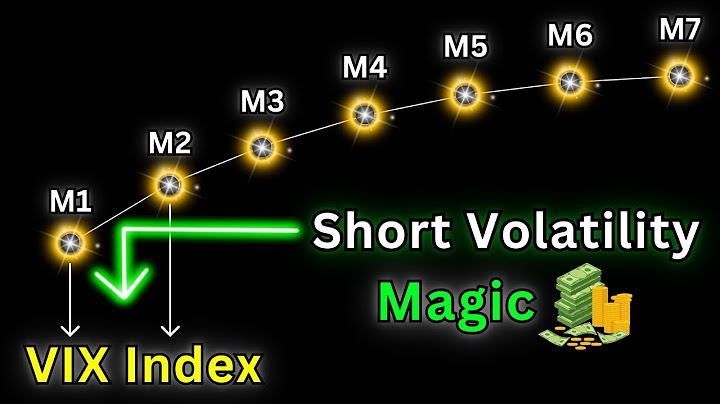
VIX futures are standardized derivatives that allow market participants to trade expectations of what the Cboe VIX Index will be at a future settlement date. Unlike the published spot VIX reading, a futures contract is traded and has its own price, expiration, margin requirements and cash-settlement process.
What a VIX futures contract represents
Cboe offers VX futures contracts listed on Cboe Futures Exchange. The cash VIX index is calculated from S&P 500 option prices and reflects approximately 30-day expected volatility. A futures quote is instead the price at which market participants trade an expected settlement value for a specific future expiration.
Those two prices can differ substantially. For example, spot VIX might be 18 while a particular monthly contract trades at 21. The gap is not automatically an error or a free arbitrage; it may reflect expectations for volatility nearer the contract’s settlement and the market’s risk pricing.
Multiplier, tick size and settlement
The published standard VX contract multiplier is $1,000 per index point. A move of one full point in a single contract therefore represents $1,000 of profit or loss before commissions and other costs. The standard 0.05-point minimum price change equals $50 per contract; special spread pricing rules can differ.
Standard VX futures settle in cash rather than by delivering stocks. The final settlement value uses a Special Opening Quotation derived from relevant SPX options under Cboe rules. Traders should consult the active contract specification because the exchange defines trading hours, final settlement dates and special holiday adjustments.
Expiration requires more than reading a ticker
A monthly VX futures contract typically reaches final settlement on a Wednesday roughly 30 days before the third Friday of the next calendar month, subject to holidays and detailed exchange rules. Weekly contracts have their own labeled expirations. The applicable trading cutoff may differ from an ordinary equity-market closing time.
A position does not simply remain open forever with an unchanged contract. A trader must understand the settlement timetable or deliberately change exposure to a later month. The term “roll” refers to closing or reducing an expiring position and opening or increasing exposure at another maturity.
Reading the futures term structure
The term structure plots futures prices against expiration dates. Contango means later contracts trade at higher prices than earlier ones; backwardation means nearer contracts are higher. These are observations about the curve at one moment, not guarantees of how the prices will move tomorrow.
A steep upward curve may be associated with expectations that near-term volatility is subdued and longer-term uncertainty remains. A steep downward curve can accompany a volatility shock. Those intuitions can be helpful, but futures prices also respond to positioning, liquidity and demand for hedges.
Why rolling is not the same as buying spot VIX
Suppose an investor sells a nearer future and buys a more expensive later future. This changes the contract held and the future price that drives subsequent gains and losses. The economic impact of the roll is realized through futures convergence and price movements, rather than an automatic cash charge equal to the quoted spread.
Exchange-traded products that maintain constant-maturity exposure repeat this process according to a rule. That is one reason a VIX-linked fund’s multi-month return can diverge sharply from a spot VIX chart. The ticker-specific mechanics belong in the individual fund pages.
Margin and risk can be significant
Futures use margin rather than requiring the trader to pay the full notional exposure as a cash purchase. Margin levels can change during stress, and a leveraged position can generate losses larger than the initial deposit. Brokers may liquidate positions or require additional funds when equity falls below maintenance requirements.
The standard $1,000 multiplier makes relatively small index-point moves financially meaningful. Investors should check current exchange and broker margin requirements, trading cutoffs, liquidity, commissions and contract rules before taking a position. This page explains terminology and is not a trading plan.
How futures connect to VIX ETFs and charts
Many exchange-traded volatility products obtain economic exposure through VIX futures contracts or derivatives linked to futures indexes. Those funds package a rolling approach in a share that trades through a brokerage account, but their fees and fund objectives add another layer to the return calculation.
A VIX index chart can show changes in option-implied expectations; a futures curve shows prices at different maturities. Keeping both views separate prevents a trader from treating an uninvestable index reading as a tradable contract price.
Frequently asked questions
Can VIX futures trade at a different price from the VIX index?
Yes. Futures have their own maturities and reflect market expectations for future settlement, not the current index level.
How much is one VX index point worth?
Cboe specifies $1,000 per index point for a standard VX futures contract.
Do VIX futures deliver shares of the S&P 500?
No. VX futures are cash-settled derivatives under Cboe contract rules.
What is a contango curve?
It is a term structure in which longer-dated futures prices are above nearer-dated futures prices.
Can futures losses exceed the original margin deposit?
Yes. Leverage and adverse price movements can create obligations beyond the margin initially deposited.
