Can Chickens Eat Mushrooms? Safety, Preparation and Limits
Can Chickens Eat Mushrooms? Safety, Preparation and Limits: only correctly identified food-grade mushrooms. Read the guide.
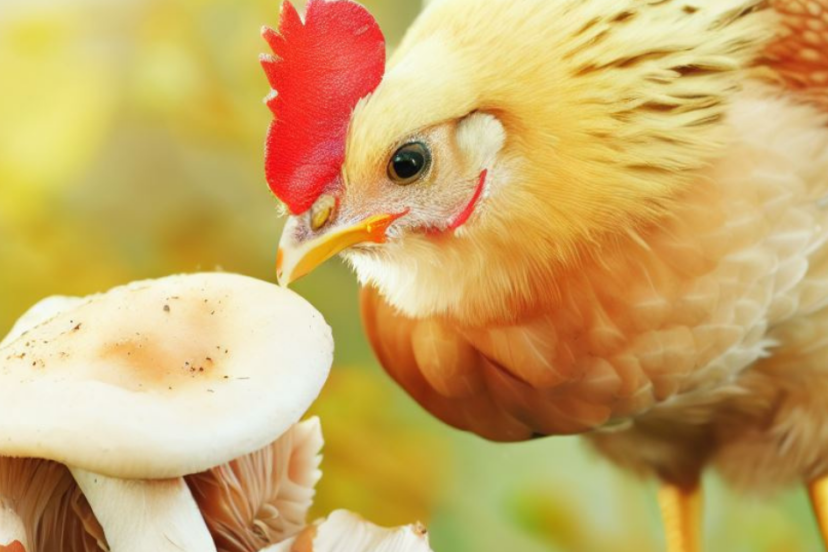
Can Chickens Eat Mushrooms? Safety, Preparation and Limits
Only properly identified, fresh, food-grade mushrooms are reasonable to consider as an occasional chicken treat.
Balanced feed comes first
Never assume a lawn or woodland mushroom is safe just because chickens peck at it; unknown species can be dangerous.
A backyard chicken's daily foundation should be a nutritionally complete ration appropriate to its age and production stage. A single treat should never be marketed as a balanced feed or a cure. Fresh water, safe foraging space and clean feeding equipment matter far more than experimenting with kitchen scraps.
Food preparation and unsafe parts
Preparation determines much of the practical risk. Wash produce, remove spoiled portions, avoid salty sauces and cut items that are difficult for birds to manage. If the ingredient has toxic parts or there is uncertainty about what was eaten, choosing not to offer it is safer than trying to identify a harmless quantity.
Treat limits and cleanup
Treats are best offered sparingly so the flock continues eating its balanced feed. Observe birds rather than assuming all chickens eat the same thing: a bird may ignore a food or swallow pieces too quickly. Uneaten wet scraps attract rodents, flies and disease-causing organisms, so clear them promptly.
If a bird already ate some
If a chicken eats a new food, identify exactly what it was, whether it was moldy or seasoned, and which birds had access. Watch drinking, activity, breathing, crop comfort and droppings. Unknown plants, chemicals or suspected toxins warrant advice from an avian or poultry veterinarian instead of a home experiment.
Signs of illness
Do not confuse a temporary change in droppings with a definitive diagnosis, but do take persistent diarrhea, weakness, respiratory distress or sudden inability to stand seriously. Separate an obviously ill bird safely, limit stress and seek appropriate veterinary guidance. Keep the original food packaging or a sample if exposure is suspected.
If an unidentified mushroom was eaten, preserve a sample or photo and contact a veterinarian or local poison expert.
Better flock feeding
When deciding whether to offer produce again, ask whether it adds meaningful enrichment without replacing nutrients. Rotate only confirmed safe extras, keep quantities modest and avoid rewarding birds for scavenging unsafe compost or human meals. Good routine feeding prevents far more problems than any 'superfood' treat.
Applying the advice in real life
For a mixed backyard flock, keep treat times short and watch how dominant birds behave. A confident hen may eat most of the scraps while shy flockmates lose access to complete feed. Scattering small safe portions across a clean area can reduce crowding, but remove wet leftovers promptly. Never offer the entire bowl just because the birds appear eager.
A food's safety is not proved by a single hen eating it without immediate symptoms. Toxicity and digestive tolerance depend on species, amount, plant part and condition. When uncertainty is meaningful, skip the treat and offer familiar feed or supervised foraging enrichment instead. This approach is especially important with garden plants and foods that can spoil.
Frequently asked questions
Can this replace commercial chicken feed? No. Treats should be limited extras alongside age-appropriate, nutritionally balanced feed.
How should unfamiliar foods be introduced? First verify safety, wash and prepare appropriately, then offer only a small amount while watching the flock.
When is a poultry veterinarian needed? Seek help with suspected toxins, weakness, breathing trouble or persistent changes after an exposure.
Related guides
What Can Chickens Eat? A Balanced Flock Feeding Guide
Can Chickens Eat Grapes? Safety, Preparation and Limits
Can Chickens Eat Pineapple? Safety, Preparation and Limits
Can Chickens Eat Strawberries? Safety, Preparation and Limits
