What Do Hummingbirds Eat? Nectar, Insects and Feeding Myths
What Do Hummingbirds Eat? Nectar, Insects and Feeding Myths: natural diet, sugar-water guidance and feeder hygiene without dyes. Read the guide.
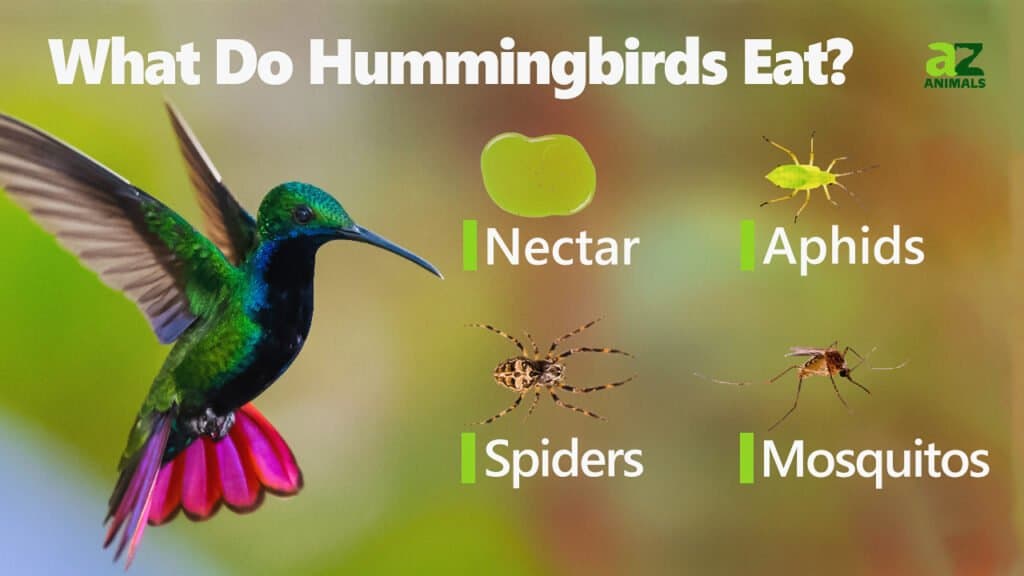
What Do Hummingbirds Eat? Nectar, Insects and Feeding Myths
Hummingbirds feed on nectar for energy and also eat tiny arthropods for protein.
Species and habitat
Native flowering plants supply diverse nectar; clean feeders regularly and use plain white sugar and water mixed at a commonly recommended 1:4 sugar-to-water ratio, never red dye.
Wild animals do not all eat or behave alike simply because they share a common name. Diet and habitat change with region, season, age and species. Focus first on identifying the animal accurately and understanding the habitat that supplies its normal food.
Safe observation
Observe wildlife from a distance. Field guides, calls, size, markings and behavior all provide clues, but a single unusual photograph can mislead. Do not remove young animals or disturb nests merely to confirm an identification.
Natural diets
A natural diet typically includes more variety than popular backyard feeding lists suggest. Insects, native berries, seeds, flowers and shelter form interconnected habitats. Supporting these food webs often means reducing pesticides and planting regionally suitable native vegetation rather than dumping human snacks outdoors.
Human impacts
Urban wildlife may adapt to feeders, lawns, buildings and roadways, but adaptation does not make those settings harmless. Keep pets from harassing wildlife and secure trash. When feeders are used, maintain hygiene and follow local guidance during disease outbreaks.
For a homemade feeder, dissolve one part plain white granulated sugar in four parts water; allow it to cool before filling. Do not use honey, brown sugar, artificial sweeteners or red dye. Clean the feeder frequently, especially during hot weather, and replace cloudy solution immediately.
Injured wildlife
If an animal is injured or behaves strangely, contact licensed wildlife rehabilitators or local agencies. Untrained handling can hurt people and wildlife alike and may violate local rules. Young animals that appear alone may still be receiving normal parental care.
Neglected feeders can grow mold, and honey or artificial sweeteners are not substitutes for sucrose solution.
Conservation at home
Good conservation practice begins with habitat: native plants, clean water, nesting and shelter opportunities, and fewer preventable collisions or poisons. Document sightings respectfully and avoid attracting wildlife to unsafe roadside locations.
Applying the advice in real life
If you want to help wildlife near home, begin with habitat observation. Note native vegetation, water sources, nesting areas, seasonal insects and hazards such as reflective windows or roaming pets. Supporting the food web often has more durable benefits than putting out a bowl of food. In many places, feeding wild mammals can increase conflict and disease risk.
Keep identification notes with date and place, but avoid posting precise locations of sensitive nests or vulnerable species. Consider contributing records to a recognized citizen-science project when appropriate. Respect property boundaries, local regulations and the animal's ability to move away from observers.
Frequently asked questions
Is nectar all hummingbirds eat? No. Small arthropods provide protein and other nutrients.
Should hummingbird nectar be red? No. Red dye is unnecessary; choose a suitable feeder design and plain sugar water.
How often should feeders be cleaned? Frequently, with even closer attention in hot weather, and whenever solution looks cloudy or contaminated.
Related guides
What Do Squirrels Eat? Wild Diet and Seasonal Variation
Types of Woodpeckers: Identification by Markings and Calls
What Do Bluebirds Eat? Insects, Berries and Seasonal Habitat
