Who Owns the White House? Federal Ownership Explained
Find out who owns the White House, why presidents live there, and how federal stewardship differs from private ownership.
LATEST NEWS / EDITORIAL EXPLAINER
Who Owns the White House? Federal Ownership Explained
REFERENCE GUIDE • US ENGLISH
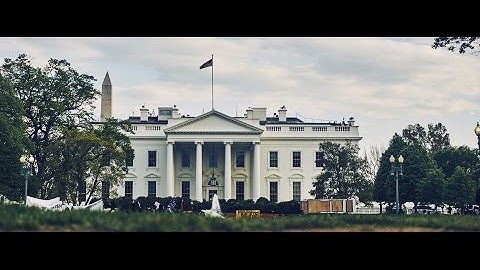
The White House is a federal government property used as the official residence and principal workplace of the president of the United States. A president lives and works there while serving in office but does not acquire private ownership of the building. It is a public institution that continues from one administration to the next.
Who legally owns the White House?
In ordinary terms, the White House belongs to the United States government, not to the current president or the president's family. The building and grounds are publicly administered under federal arrangements. This distinction separates a residence provided by an office from a home bought and held as personal real estate.
The president can occupy authorized spaces and oversee many executive functions during a term, but cannot sell the White House as personal property, transfer it to heirs, or treat it as a privately held estate. Its use is constrained by public responsibilities and preservation considerations.
Why the White House serves two functions
The executive mansion is a residence, a place for official ceremonies, and a symbol of the presidency. The complex also includes working areas where administration staff and visitors conduct government business. This helps explain why the public often describes it as both 'the president's house' and 'the president's office.' Neither phrase means the occupant owns the property outright.
Presidential families may personalize certain living spaces within applicable rules, but historical furnishings, public collections, and building operations are treated differently from personal belongings. Changes to this important historic site are subject to preservation, facilities, security, and administrative processes.
Who looks after the building and grounds?
White House operations involve several federal bodies with distinct responsibilities, including executive staff, facilities and preservation functions, and the National Park Service's stewardship of parts of the grounds and visitor-related areas. It is more accurate to describe the responsibility as divided by function than to suggest one person 'owns' every operational decision.
Preservation matters because later presidents and the public inherit the historical site. Projects affecting its structure, appearance, or public use may involve historic review and other federal requirements. The details of individual projects should be checked against dated government records.
Why presidents are occupants rather than owners
The presidency is an office with a fixed process for succession. When an administration ends, the next president takes office and is able to use the official residence. The property does not pass through the former occupant's private estate. Personal possessions can leave with a family, subject to the distinction between personal property, gifts, and government or historical collections.
This arrangement is comparable to other official residences provided for a government role. It reflects the principle that a public office is not personal property.
Ownership is different from address or visitor access
The White House is commonly identified with 1600 Pennsylvania Avenue NW in Washington, DC. Knowing that address does not mean a visitor can enter the grounds without authorization, and public stewardship does not mean unrestricted public access. Tour and security policies can change.
For questions about writing to an administration, use the dedicated contact guide. For questions about where offices sit within the complex, the Oval Office guide explains the West Wing rather than the property's legal status.
Frequently asked questions
Does the president pay to buy the White House?
No. The president does not purchase the building in order to serve in office.
Can a former president keep the White House?
No. Occupancy of the official residence follows the office, not the former occupant.
Is the White House a public building?
It is federally owned and performs public functions, but access to the building and grounds is controlled for security and operations.
Does the president own the Oval Office?
No. The Oval Office is an official workspace within the federally held White House complex.
Related reading
For a different question, see White House Address: 1600 Pennsylvania Avenue NW; and Where Is the Oval Office? West Wing Location. These guides cover different reader intents and should not replace this page.