Who Is on My Ballot? How to Find Your Sample Ballot
Find your official sample ballot by address and understand the candidates and ballot measures listed for your district.
Who Is on My Ballot? How to Find Your Sample Ballot
Voter information guide | U.S. English | Last reviewed: November 2, 2026
This article describes general election information, not individualized legal advice. Because rules can change, verify official instructions for your state and county before acting.
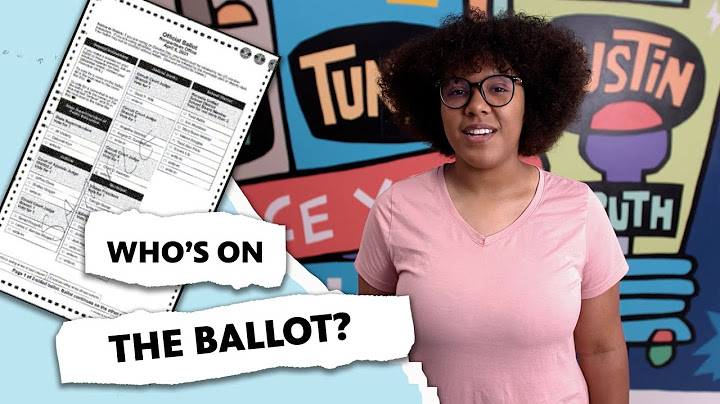
At a glance
Find your official sample ballot by address and understand the candidates and ballot measures listed for your district.
A sample ballot depends on where you live
A U.S. general-election ballot is not one nationwide list. Statewide offices, congressional districts, county government, school districts, local judgeships, and ballot measures vary with the voter’s residence. Two households a few streets apart can sometimes have different contests. To answer “who is on my ballot,” start with your county or state election office and enter the address or district details requested by its official sample-ballot tool. Use a current 2026 election sample, not a screenshot from an older primary.
Where to obtain an official sample ballot
County election administrators often provide a downloadable sample or an address-based lookup. Your state election agency can usually direct you to the county site. The official sample indicates the contests for your precinct or district; privately published candidate guides may omit local measures or retain withdrawn candidates. Check whether a document is labeled sample, specimen, voter guide, or actual ballot. A sample ballot is for preparation and is not normally a substitute for a ballot issued at the polling place.
Learn what each contest means
The ballot may include federal offices, statewide offices, local positions, retention questions, referendums, or proposed constitutional amendments. Research what an office does before comparing names. For ballot questions, distinguish the wording that voters will see from a campaign’s description of its likely effects. Use the official voter guide to identify the exact proposition number and full explanatory text. Some ballots present nonpartisan races without a party label, so do not invent an affiliation.
Evaluate choices using reliable evidence
A nonpartisan research process compares published candidate statements, official government records, verified debates, and the text of any proposed measure. Check dates: a former officeholder’s biography or an outdated campaign site can create confusion. Do not rely on viral sample-ballot images that may have been altered. If a race is missing from the online view, contact the election office rather than assuming it was canceled. This article provides process guidance and does not endorse candidates or parties.
Last checks before November 3
Confirm the correct 2026 general-election version, your current registered address, and the office that administers your ballot. If voting by mail, follow the official marking and return instructions. If voting in person, obtain voting-site information from the separate official polling-place resource. A sample ballot can help you plan, but election-day procedures and location hours should be verified independently. Keep personal information from address-based tools private.
Why a county guide may differ from a statewide guide
A statewide voter information guide can explain major statewide races or propositions while omitting local school-board positions, city offices, and county measures. The county sample ballot is often the better match for a specific residential address. Check the election date printed on both documents. If you relocated close to Election Day, request an official determination about your registration district before relying on either guide. This prevents the common error of researching contests that are not actually on your ballot.
Questions readers often ask
Does everyone in one state get the same ballot?
No. Congressional, county, municipal, school, and special-district contests can vary by address.
Where can I see a sample ballot?
Start with the official county elections website or the state election authority’s locator.
Can I take my sample ballot into a polling place?
Rules on notes and reference materials vary; ask your state election office or poll workers.
Do sample ballots list all ballot measures?
Official jurisdiction-specific samples should identify applicable measures; check the latest version.
Does a sample ballot tell me where to vote?
Not necessarily. Polling-place information is a separate address-dependent lookup.
Related voter guides
Editorial sourcing note
Review against official government or congressional materials before publication. Source references and the per-article verification checklist are provided in the separate editorial manifest; this body intentionally contains internal links only.