Wooden Dog Crates – The Perfect Blend of Style & Strength
Discover the benefits of wooden dog crates, how to choose the right size, and styling ideas to integrate them seamlessly into your interior.
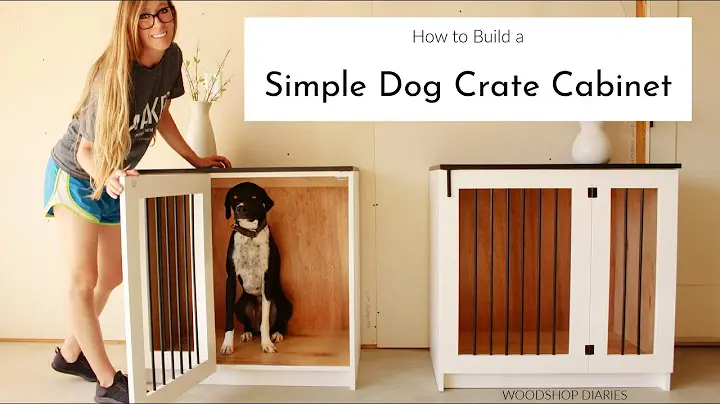
Wooden dog crates combine the comfort of a familiar material with the durability needed for everyday use. They offer a natural aesthetic that blends seamlessly into modern interiors while providing a safe, well‑ventilated space for your pet. This guide explains why wood is a superior choice and explores the variety of woods and finishes available to match any home décor.
Why Choose a Wooden Crate?
Wooden crates stand out for their structural integrity and longevity. Unlike plastic or metal alternatives, high‑quality hardwoods such as oak, maple, and walnut can withstand repeated use without warping or cracking. Their dense grain resists dents and scratches, ensuring the crate remains in good condition for years. This durability translates into lower long‑term costs, as owners do not need to replace the crate frequently. Aesthetics play a key role in the decision to choose wood. Natural grain patterns and warm tones create a welcoming atmosphere that complements living rooms, bedrooms, and entryways. Because wood can be stained, painted, or left unfinished, it offers flexibility for homeowners who want a crate that matches existing furniture or accent walls. The visual appeal of a wooden crate also reduces the sense of confinement for pets, as the natural texture feels less industrial than metal or plastic. Safety is another critical factor. Wood is non‑reactive and does not leach chemicals, making it a healthier option for dogs with sensitive skin or allergies. Additionally, wooden crates can be constructed with rounded corners and smooth edges, minimizing injury risks during play or transport. The ability to customize ventilation holes and secure latches further enhances safety, ensuring the crate remains a secure environment for pets of all sizes.
Types of Wood & Finish Options
Selecting the right type of wood is essential for balancing strength, weight, and cost. Hardwoods such as oak and maple provide robust support and a smooth finish, ideal for larger dogs that may push against the walls. Softer woods like pine are lighter and more affordable but may require additional reinforcement for heavier pets. The choice of wood also influences the crate’s overall weight, which can be a consideration for owners who need to move the crate frequently. Finish options allow owners to tailor the crate’s appearance and protection level. A clear polyurethane sealant preserves the natural grain while adding a protective layer against moisture and stains. For a more polished look, a satin or semi‑gloss paint can be applied, offering color versatility and easy cleaning. Matte finishes reduce glare and provide a subtle, contemporary feel. Wood stains in warm or cool tones can enhance the grain’s depth, creating a rustic or modern aesthetic that fits various interior styles. Maintenance considerations vary with finish. Polyurethane requires periodic reapplication to maintain a water‑resistant barrier, especially in humid environments. Paint may need touch‑ups after minor scratches, but it also offers a quick way to refresh the crate’s look. Choosing a finish that aligns with the household’s cleaning routine ensures the crate remains both functional and visually appealing over time.
Sizing Guide for Wooden Crates
Choosing the correct size for a wooden dog crate is essential to ensure your pet’s safety, comfort, and well‑being. Start by measuring your dog’s length from the tip of the nose to the base of the tail, then add 2–3 inches to allow for movement. Height should be measured from the floor to the top of the head when the dog is standing; add an additional 2–3 inches so the animal can stand upright without feeling cramped. For breeds that like to lie down, the crate should be long enough to accommodate a full stretch. A common rule of thumb for wooden crates is that the interior length should be 1.5 times the dog’s body length, providing ample space for turning and resting. For example, a 30‑inch‑long Labrador would benefit from a crate with a 45‑inch interior length. If you have a small or medium‑sized dog, a crate with a 30‑inch interior length is typically sufficient, while larger breeds such as German Shepherds or Rottweilers require 36‑inch or longer interiors. When selecting a crate, also consider the door size; a larger opening facilitates easier entry and exit, especially for dogs that may have joint issues. Finally, always check the weight capacity of the wooden crate. High‑grade hardwoods like oak or maple can support heavier dogs, but the crate’s construction—such as reinforced corners and sturdy hinges—must match the dog’s weight to prevent collapse. By following these measurements and weight guidelines, you can confidently choose a wooden crate that offers both durability and comfort for your canine companion.
Styling Wooden Crates in Your Home
Wooden dog crates are versatile pieces that can enhance the aesthetic of any living space when styled thoughtfully. Begin by selecting a finish that complements your interior décor; a natural, unfinished pine crate can add rustic charm to a farmhouse‑style room, while a stained oak crate with a darker glaze can serve as a focal point in a modern loft. Position the crate on a sturdy rug or a wooden pallet to create a defined area that feels intentional rather than utilitarian. For a cohesive look, incorporate matching wooden accessories such as a side table or a decorative basket that echoes the crate’s grain pattern. Adding a soft, plush bedding that contrasts in color can provide visual interest while keeping the dog comfortable. If space allows, place the crate near a window to give your pet natural light and a view of the outdoors, which can reduce anxiety. For a more playful touch, consider a crate with a removable top that can double as a storage bin for toys or grooming supplies. When arranging the crate in a living room, keep it away from high‑traffic areas to avoid accidental bumps, but place it near a wall or a piece of furniture to anchor the space. Finally, use subtle lighting—such as a small LED lamp or a string of fairy lights—around the crate to create a cozy, inviting atmosphere. By integrating these styling techniques, a wooden dog crate can become a functional, stylish element that blends seamlessly into your home’s design.
Care & Maintenance Tips
Wooden dog crates offer a blend of durability and aesthetic appeal, but their longevity depends on proper care. The first step is to keep the crate clean by wiping it down with a damp cloth after each use. A mild soap solution—such as a few drops of dish soap in warm water—will remove odors without damaging the wood finish. Avoid soaking the crate; excess moisture can cause the wood to warp or develop mold. Once cleaned, allow the crate to air‑dry completely before placing the dog back inside. Regular inspection is essential. Look for loose screws, splintered edges, or cracks that could compromise the crate’s structural integrity. Tighten any loose fasteners with a screwdriver or drill, and sand any rough spots with fine-grit sandpaper. After sanding, apply a food‑safe wood sealant or a natural oil like mineral oil or beeswax to protect the surface and enhance the wood’s natural grain. Reapply the sealant every six months or as the wood shows signs of wear. To prevent scratches and dents, line the crate’s interior with a washable, non‑slip mat. This not only protects the wood but also provides a comfortable surface for the dog. If the crate is used outdoors or in a high‑traffic area, consider adding a weather‑resistant coating such as polyurethane. This extra layer guards against spills, rain, and UV exposure. Finally, store the crate in a dry, well‑ventilated space when not in use. Avoid placing it near direct heat sources or in damp basements, as these conditions accelerate wood decay. By following these maintenance steps, you can keep a wooden dog crate looking its best for years while ensuring a safe, comfortable environment for your pet.
