The Fastest Animal in the World Depends on How It Moves
See why the peregrine falcon holds a diving speed record while the cheetah is the fastest land animal.
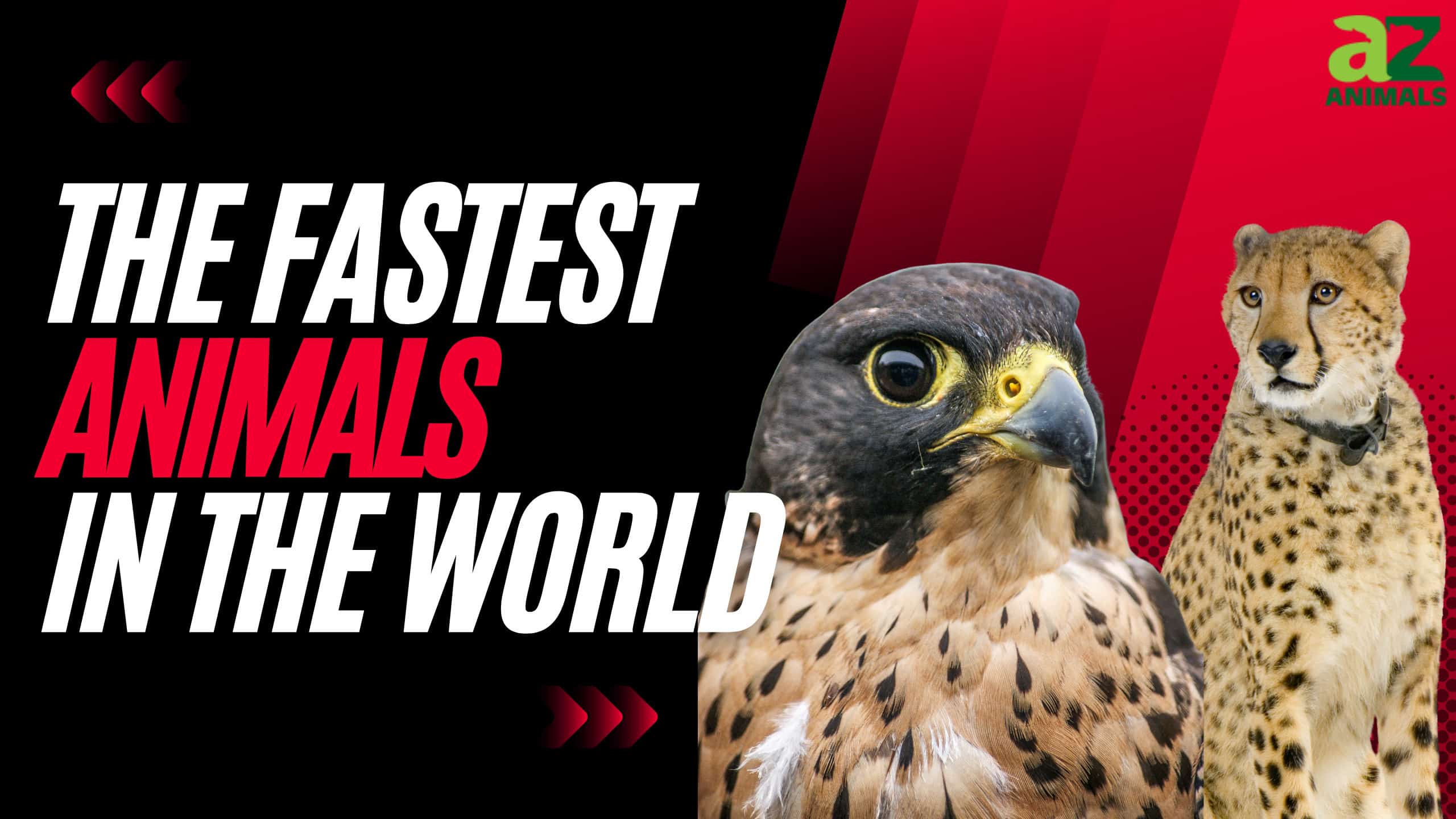
The peregrine falcon is generally identified as the world's fastest animal when it dives after prey. The cheetah is the fastest land animal over a short sprint. Those answers are not contradictory: one involves a steep aerial dive, and the other involves powered running along the ground. To compare animal speed fairly, you must define the movement being measured, the distance covered, and the reliability of the measurement.
The peregrine falcon and the high-speed hunting dive
Peregrine falcons hunt other birds and can perform a steep dive, called a stoop, that uses gravity and aerodynamic body positioning. Guinness World Records describes approximately 320 kilometers per hour (200 miles per hour) as a high estimated diving speed, while experimental accounts have suggested even higher figures under special conditions. Such numbers should not be presented as a speed that a falcon maintains in ordinary level flight. The height of the dive, the instrumentation, and the conditions can all change a measurement. When somebody asks for one overall fastest-animal answer, the peregrine during a stoop is the conventional reply.
The cheetah holds a different kind of speed distinction
Cheetahs are land mammals adapted for extremely fast short pursuits. They have a lightweight body, flexible spine, long legs, and a long tail that helps stabilize rapid changes in direction. Their advantage is an explosive run rather than a prolonged marathon pace. Popular speed figures often differ because the animal, terrain, chase distance, and recording method differ. An estimate from one sprint cannot safely be turned into a guaranteed speed for every cheetah. For a school answer, call the cheetah the fastest land animal and note that its peak sprint is not directly comparable with a falcon's gravity-assisted dive.
Why a dive and a sprint should not share one leaderboard
A stooping falcon accelerates downward through the air, while a running cheetah must repeatedly push against the ground. Measuring only the highest instant speed gives the dive a major advantage; measuring repeated speed over a longer distance would tell a different story. Even among flying birds, there is a difference between a powered horizontal flight and a descent. One headline number can be useful, but it hides these different physical tasks. An honest comparison should name both the type of motion and the source of the measurement.
What researchers need for a reliable record
Speed is distance divided by time, but obtaining the distance accurately is difficult when an animal curves, climbs, turns, or accelerates. Video measurements need known scale and frame timing. Tracking devices can sample movement, but their precision depends on equipment and positioning. A reported maximum should ideally explain the observation conditions and whether the figure was a direct measurement or a model-based estimate. With animals that are hard to track at peak speed, uncertainty is part of the result. Avoid copying dramatic numbers without checking how they were obtained.
Other speed categories are separate questions
The fastest swimming animal is a different question, and figures for large ocean predators can be especially disputed because of limited measurements in natural conditions. Birds such as swifts are often discussed in terms of powered flight rather than dives. The pronghorn is noted for running speed and stamina, but it is not the standard answer to “fastest land animal” in a peak-sprint comparison. A reader-friendly animal chart therefore labels rows by diving, running, powered flight, and swimming rather than declaring one universal champion under all conditions.
A simple answer to remember
For a quiz: peregrine falcon—fastest animal in a steep hunting dive; cheetah—fastest on land over a short distance. For a deeper discussion, always ask “fastest at what?” That question makes the difference between a catchy fact and a useful explanation. Treat any exact record speed as conditional on the way it was measured, and avoid presenting unverified superlatives as settled biological fact.
Key takeaways
Fastest overall dive: peregrine falcon.
Fastest land sprint: cheetah.
Dive speed and level flight are not the same measurement.
Exact speed values depend on method and conditions.