Zephyrosaurus: Small Cretaceous Dinosaur, Teeth, and Fossils
Early Cretaceous ornithischian, limited fossils and uncertainties.
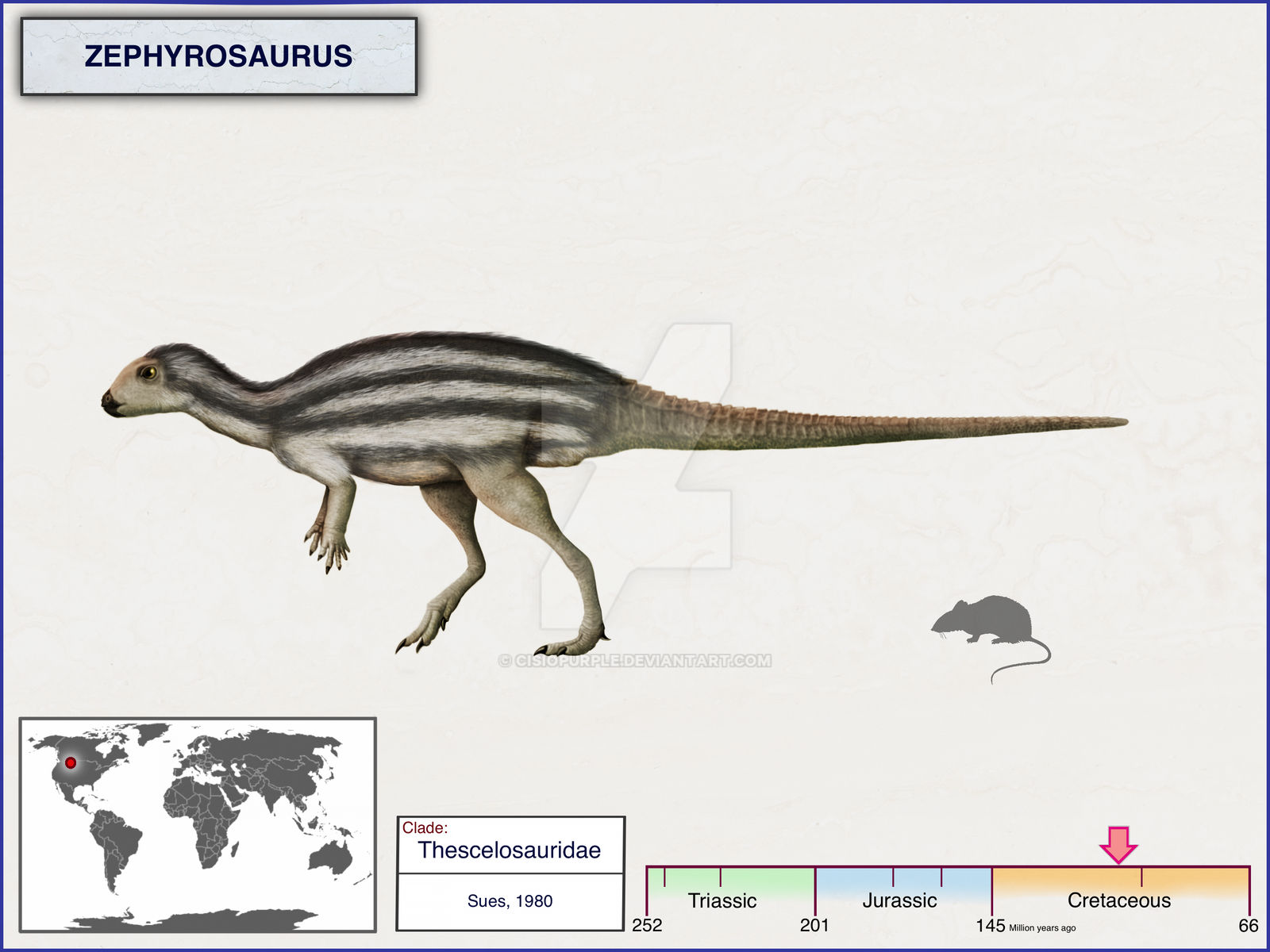
Zephyrosaurus: Small Cretaceous Dinosaur, Teeth, and Fossils
Zephyrosaurus was a small ornithischian dinosaur known from Early Cretaceous North America. The account below separates observations from fossil material and reasonable but uncertain reconstructions.
Identification and evolutionary relationships
Its skull and teeth have helped researchers compare early plant-eating dinosaur lineages.
Paleontologists identify fossil animals through diagnostic bones, not imagined colors or behaviors. Comparisons with related groups help reconstruct missing anatomy, but a fragmentary specimen sets real limits.
Geological age and fossil context
Fossils from western North American deposits offer incomplete information about its full body proportions and environment.
A fossil formation supplies context about time and deposition, but it does not record every part of an ancient animal’s range.
Diet and ecological setting
Teeth indicate feeding on plant material, but a precise species-by-species diet is not documented. Small size suggests different ecological pressures from giant herbivores.
Feeding claims are usually inferences from form and related evidence; detailed meal-by-meal statements are rarely justified.
Anatomy, movement and life history
Its anatomy is reconstructed from limited remains, so details such as speed and social behavior are uncertain.
Behavior is harder to reconstruct than bone structure. Where direct fossil evidence is scarce, cautious language is essential.
Evidence versus reconstruction
Its skull and teeth have helped researchers compare early plant-eating dinosaur lineages.
Taxonomy changes when new fossils or analyses appear. State which ideas are supported by physical specimens and which remain debated, especially for size, social behavior and reconstruction art.
A small ornithischian such as Zephyrosaurus should not be scaled up into a giant sauropod-like browser. Limited fossils demand modest reconstructions and careful comparison with better-known relatives.
What future discoveries could change
An identification rests on preserved anatomy and comparison, not the artist’s chosen pose or skin color. An illustration communicates one hypothesis. It should not be presented as a direct photograph of the past.
Treat fossil reconstructions as scientific models that can improve when new specimens are found.
Quick takeaways
Fossils from western North American deposits offer incomplete information about its full body proportions and environment.
Teeth indicate feeding on plant material, but a precise species-by-species diet is not documented.
If an illustration depicts plumage or bright colors, label those as artistic reconstructions.
Frequently asked questions
What was Zephyrosaurus?
Zephyrosaurus was a small ornithischian dinosaur known from Early Cretaceous North America.
Where and when do its fossils place it?
Fossils from western North American deposits offer incomplete information about its full body proportions and environment.
What can scientists say about its diet?
Teeth indicate feeding on plant material, but a precise species-by-species diet is not documented.
