Alaska Senate Race 2026: Candidates and Election Guide
Explore Alaska’s 2026 US Senate race, candidate information and election rules, with a clear separation between forecasts and results.
Alaska Senate Race 2026: Candidates and Election Guide
Updated November 2, 2026 | U.S. English | Pre-election editorial edition
Alaska’s November 3, 2026 U.S. Senate election includes Republican incumbent Daniel S. Sullivan and Democrat Mary Peltola among the leading contenders. Alaska uses a top-four primary and ranked-choice general-election format, which affects how the final count is interpreted.
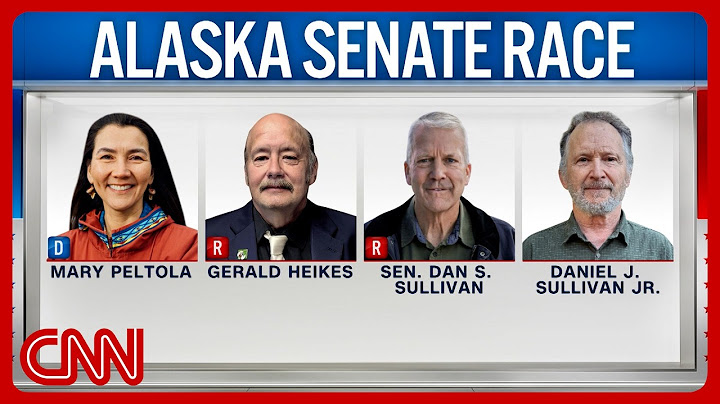
Candidates in Alaska’s 2026 Senate race
The candidates listed for the general election include Daniel S. Sullivan (Republican incumbent), Mary Peltola (Democratic), Gerald Heikes (Republican), and Daniel J. Sullivan Jr. (no party affiliation). The two similarly named Sullivan candidates are different people; be especially careful when reading ballot labels.
Former U.S. House member Mary Peltola and Sen. Daniel S. Sullivan have drawn much of the race’s national attention. Their presence in reporting does not mean other listed candidates should be erased from a full candidate guide.
How Alaska’s ranked-choice process works
Alaska’s election office describes a ranked-choice general election following a top-four primary. Voters rank candidates according to their preferences rather than simply marking one selection in the same way used in a standard plurality contest.
If no candidate has the necessary majority in the first count, an elimination and transfer process may occur under state rules. Because later rankings can matter, a first-choice leader is not automatically the final winner. Election officials’ round-by-round releases are the authoritative count.
What is at stake
The winner represents Alaska in the U.S. Senate, which considers federal legislation, executive nominations and treaties under constitutional rules. Alaska’s federal policy debates commonly include energy development, public lands, fisheries, military infrastructure and the cost of living.
Candidates’ platforms should be checked for the specific policies they support. It would be misleading to reduce all Alaska voters to a single statewide economic interest or to treat a national forecast as a decision.
Primary results are not November results
Alaska held a top-four primary in August 2026. Its totals are a historical nomination-stage result, not a count of ballots cast in the November general election. The November result may require multiple tabulation rounds and subsequent canvass procedures.
As of November 2 there is no November 3 winner to report. An unofficial Election Night tally is not a final certified count.
Voting information and further reading
Check the Alaska Division of Elections for the official candidate list, voting options, accessible voting services and ballot instructions. Do not guess a polling location from the name of a community or a prior-election site.
Readers looking for the national context can review the midterms overview, but the details of ranked-choice tabulation belong to the Alaska race rather than to every U.S. Senate contest.
Frequently asked questions
Does Alaska use ranked-choice voting in 2026?
Yes. The Alaska Division of Elections states that general elections use ranked-choice voting.
Are the two Dan Sullivan names the same candidate?
No. The incumbent Republican and a no-party-affiliation candidate are distinct individuals.
Does the leading first-choice candidate automatically win?
Not always. Ranking transfers may be necessary under the state’s count rules.
Related guides
2026 US Midterm Elections: Dates, Races, Voting and Results — /topic/2026-midterm-elections/
Editorial note
This guide was prepared using sources reviewed through November 2, 2026. Election procedures, candidate listings and ballot status should be checked against the relevant state or local election office before use. No November 3 vote result or election winner is asserted.