2026 US Midterm Elections: Dates, Races, Voting and Results
Your guide to the November 3, 2026 midterms, from House and Senate races to voting information and where verified results will appear.
2026 US Midterm Elections: Dates, Races, Voting and Results
Updated November 2, 2026 | U.S. English | Pre-election editorial edition
The 2026 U.S. midterm elections take place Tuesday, November 3, 2026. Voters will choose all 435 voting seats in the U.S. House of Representatives, the 33 regularly scheduled U.S. Senate seats and two additional Senate seats in special elections, along with numerous state and local offices. This guide explains the national picture and points to focused guides for voting details and individual races.
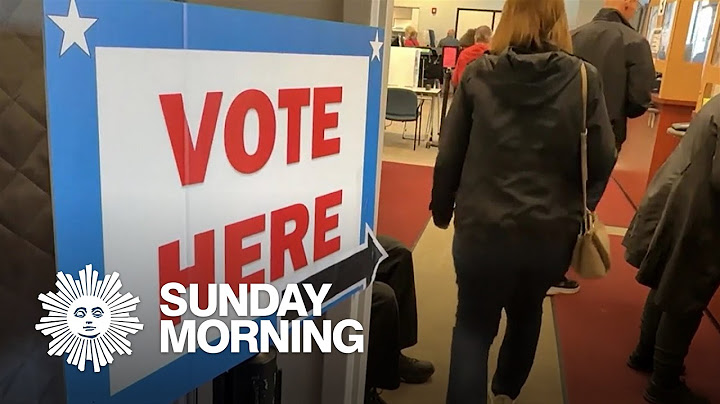
When is Election Day?
The regularly scheduled federal general election is November 3, 2026. It falls two years after the 2024 presidential election and midway through the four-year presidential term. Dates for congressional primaries were different in every state, and those earlier contests should not be confused with the general election.
Voters should check their state election authority for the precise hours and location. There is no single poll closing hour that applies nationwide, and time zones alone cannot tell a voter when a local polling place closes.
What is on the ballot nationally?
Every voting seat in the 435-member House is subject to an election in a regular two-year cycle. Senators serve staggered six-year terms, so only about one-third of the Senate faces regularly scheduled elections each cycle. In 2026 there are 33 regular Senate elections plus two special elections.
Many states also choose governors, legislators and other officials. Local measures may affect taxes, bonds, schools or public administration. The actual ballot depends on a voter’s address; a national guide cannot list every local race.
Why the House and Senate are different
The House is apportioned by state population, and each district elects one representative. All House districts vote every two years, making the chamber relatively sensitive to shifts in political preference and turnout.
Each state has two U.S. senators regardless of population. Senate seats are divided into three election classes, creating staggered terms. Control of one chamber does not automatically determine control of the other, and legislation typically requires action in both.
Races worth following
Voters and analysts are paying particular attention to competitive Senate contests in states including Georgia, North Carolina, Alaska and Ohio. The Ohio contest is a special Senate election and does not confer the same length of term as a normal six-year race.
Gubernatorial contests are also being held in states such as Alabama, Minnesota, New York and Arizona. Those elections concern state executive power rather than membership in the U.S. Congress. National forecasts should not be substituted for individual candidate information or state election returns.
How to prepare to vote
Confirm registration status and address, identify your polling location, verify its hours and review an official sample ballot. Availability and deadlines for early voting, absentee voting and identification vary by state.
Official state and local election offices are the authority on a voter’s eligibility and instructions. Be skeptical of posts that give a national voting deadline, tell all voters to use one location or insist election officials have changed rules without providing a state-level notice.
When will results be available?
As of November 2, 2026, voting in the November 3 general election has not finished and there are no official November 3 winners to report. Election-night totals can be unofficial and incomplete, especially where ballots are still being counted.
A media race call is a projection; county canvasses, recounts where required, and official certification follow legally specified procedures. This hub will keep those categories distinct rather than labeling a forecast as a final result.
Frequently asked questions
When are the 2026 midterms?
Tuesday, November 3, 2026.
Is the president on the 2026 ballot?
The regularly scheduled presidential election is not in 2026. The midterms primarily cover Congress and state or local offices.
How many U.S. Senate seats are up?
Thirty-three regular elections and two special elections are scheduled.
Are election-night results final?
No. Official certification occurs after canvassing and other required steps.
Related guides
When Are the 2026 Midterm Elections? Exact November Date — /topic/2026-midterm-elections/2026-midterm-election-date/
Midterm Voting 2026: Registration, Ballots and Voting Options — /topic/2026-midterm-elections/midterm-voting-2026/
What Are Midterm Elections? Meaning, Purpose and Timing — /topic/what-are-midterm-elections/
Editorial note
This guide was prepared using sources reviewed through November 2, 2026. Election procedures, candidate listings and ballot status should be checked against the relevant state or local election office before use. No November 3 vote result or election winner is asserted.