Choosing Skin Care Products With Azelaic Acid
Learn how azelaic acid appears in skin care formulas, why people use it, and what to review with a dermatologist before adding it.
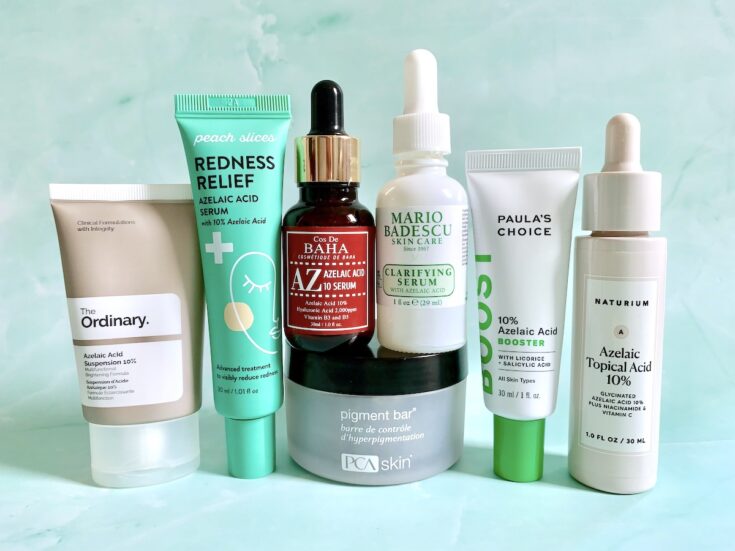
Choosing Skin Care Products With Azelaic Acid
Azelaic acid appears in skin care discussions about acne, redness, and uneven-looking skin tone. Its role depends on the formulation and on whether a product is a cosmetic or a medication. If you are comparing azelaic-acid products, learn what the ingredient can and cannot do before combining it with the rest of your routine.
What is azelaic acid used for?
Azelaic acid is included among topical options supported in American Academy of Dermatology acne guidance, and prescription forms are used for certain rosacea symptoms. Evidence and indications are tied to specific formulations, concentrations, and treatment circumstances. It is misleading to treat every cosmetic product that mentions azelaic acid as equivalent to a prescription medication.
Persistent acne, painful lesions, or rosacea-like redness deserve a clinician's diagnosis. A consumer cosmetic cannot automatically replace a treatment plan just because an ingredient name overlaps.
Look at the type of product
Read whether the item is labeled as a serum, cream, gel, or medication, and follow its intended-use instructions. In the United States, disease-treatment claims can cause products to be regulated as drugs. Check the ingredient list, concentration if provided, warnings, and whether a prescription is required.
Higher percentages are not automatically a better starting point. Vehicle and other ingredients can affect how skin tolerates a formula, and instructions for one product should not be copied onto a different one.
Work it into a realistic routine
Maintain a gentle cleanser, moisturizer, and daytime sunscreen. If adding azelaic acid, do not simultaneously introduce multiple exfoliating acids and retinoids. A simple routine makes it easier to tell which product is causing irritation. Use the specific product as directed and consult a pharmacist or clinician when unsure about combining it with an existing medication.
Do not assume tingling is proof that a formula is treating the skin. Burning or persistent irritation is a reason to stop and seek guidance.
Potential irritation and interactions
Dryness, stinging, and redness can occur with topical products. Fragranced products or frequent exfoliation can add to skin discomfort. People with eczema or a damaged skin barrier may need a more cautious approach. Skin near the eyes and mouth is particularly sensitive; avoid applying products there unless directed.
If you are pregnant, trying to conceive, or breastfeeding, review medications and active ingredients with your obstetrician or dermatologist instead of relying solely on online 'safe' lists.
When to ask a clinician
Seek help if breakouts leave scars, redness worsens, you have persistent burning, or a prescribed treatment does not seem appropriate. Professional evaluation can distinguish acne, rosacea, allergic reactions, and other conditions that may appear similar in photographs.
Common questions
Is a cosmetic azelaic acid serum the same as prescription treatment? No. Formulations, intended uses, and evidence can differ.
Can I combine it with every acid or retinoid? Not automatically. Combining irritating products can worsen tolerance; follow directions and ask a clinician about medication interactions.