How to Review Skin Care Products During Pregnancy
Use a clinician-informed checklist to review skin care ingredients during pregnancy, including ingredients to avoid and questions for your care team.
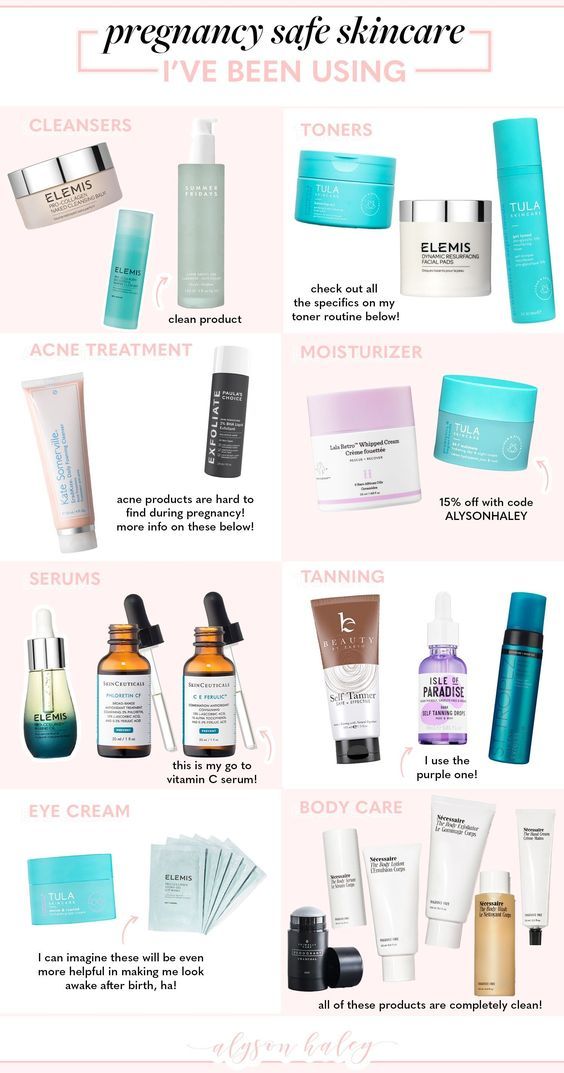
How to Review Skin Care Products During Pregnancy
Pregnancy may change how skin feels and reacts, and an old routine may contain ingredients worth reviewing. The safest approach is not to rely on a retailer's blanket 'pregnancy-safe' badge. Check each formula, distinguish basic cosmetics from acne medications, and discuss uncertain ingredients with your obstetrician or dermatologist.
Common skin changes during pregnancy
Hormonal shifts can accompany acne, dryness, dark patches, or increased sensitivity. These changes do not mean that every pregnant person needs a new ten-step routine. A gentle cleanser, moisturizer, and appropriate sun protection often provide a useful starting point, with treatment decisions based on symptoms and medical history.
New or severe symptoms should be assessed by a clinician rather than attributed to pregnancy without evaluation.
Keep the basics simple
Choose a mild cleanser and moisturizer you tolerate. Sun protection is particularly relevant when dealing with uneven-looking pigmentation. Follow broad-spectrum SPF 30 or higher labeling and combine sunscreen with shade and protective clothing when outdoors.
A product's 'natural' description is not evidence of pregnancy safety. Botanical extracts and concentrated actives may still need review. Avoid introducing several unfamiliar treatments at once.
Ingredients that warrant avoidance or medical review
The American Academy of Dermatology advises avoiding retinoids during pregnancy, including common prescription retinoids and retinol-containing products. Hydroquinone and several prescription medications also require avoidance or clinician-directed review. If you discover a product in your current routine that contains a concerning ingredient, contact your obstetric care team for guidance rather than trying to calculate risk from a social-media comment.
Medication names and concentrations matter. Keep the actual ingredient list or a photo of the package for your appointment.
OTC acne ingredients need context
The American College of Obstetricians and Gynecologists discusses certain over-the-counter ingredients, including azelaic acid, benzoyl peroxide, salicylic acid, and glycolic acid, as options that may be used during pregnancy. That does not mean every product, strength, application pattern, or combination is appropriate for every patient. The AAD also advises caution with higher-dose salicylic acid and discusses use of benzoyl peroxide with clinicians.
Ask a professional about your specific formula, especially if you use other acne medications or have sensitive skin. Do not use this article to decide prescription treatment safety.
Make a product review list for your appointment
Write down the exact product name, ingredient list, concentration where available, whether it is leave-on or rinse-off, how often you use it, and any symptoms. Include prescription creams and hair-loss treatments, not just facial serums. Your obstetrician and dermatologist can then review what to continue, replace, or stop.
Common questions
Does 'pregnancy-safe' on a shopping page guarantee safety? No. It may not reflect your medical history or the exact formula.
Are retinol products okay if sold over the counter? AAD guidance recommends avoiding retinoids, including retinol, during pregnancy; discuss your current products with your care team.