Exploring Jobs in Beauty and Skin Care
Explore U.S. skin care careers, esthetician training and licensing, and where different beauty roles are typically found.
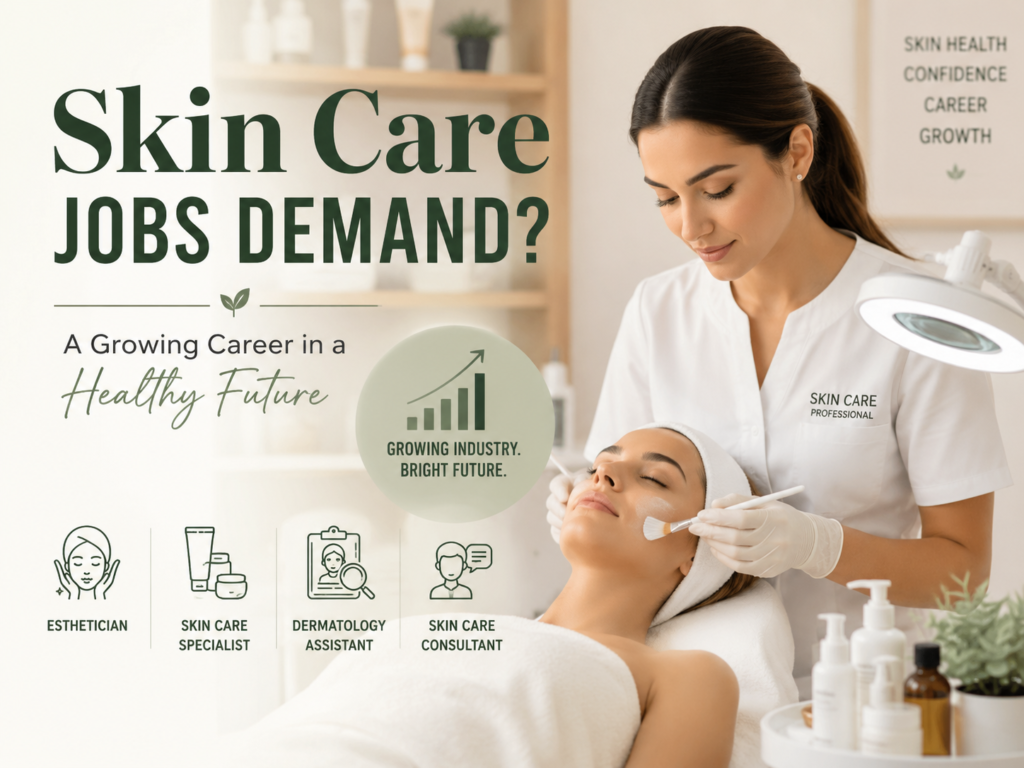
Exploring Jobs in Beauty and Skin Care
Beauty and skin care careers include client-facing services, retail education, product operations, and business support. They share an interest in the industry but not the same training requirements. Before choosing a path, decide whether you want to provide hands-on services, advise shoppers, work with products behind the scenes, or build a business.
Understand the major role types
Estheticians and other skin care specialists commonly perform facials and related cosmetic services within their training and state scope of practice. Retail beauty advisers help customers understand products and shopping options. Brand educators may train staff; product-development, merchandising, and operations roles often involve different experience and education.
Job titles are not interchangeable. Someone who wants to work directly on clients should review licensing requirements. Someone interested in marketing or product operations may be better served by portfolios, retail experience, and business skills rather than paying for clinical-style training they will not use.
Research education and licensing by state
The US Bureau of Labor Statistics describes state-approved esthetics or cosmetology education and licensing exams as typical requirements for skin care specialists. Exact hours, allowed services, renewal requirements, and reciprocity rules vary by state. Do not assume an online certificate alone authorizes hands-on services.
Check the relevant state licensing board before enrolling. Ask a school for its approval status, complete tuition and supply costs, graduation outcomes, and the actual services graduates can legally perform. For jobs involving medical procedures, credentials and supervision may differ substantially from conventional salon esthetics.
Compare work settings and daily routines
Salons, day spas, medical offices, and retail businesses operate on different schedules. Some skin care specialists are self-employed, while others work in client appointment systems and sell recommended products. The role can require standing, cleaning equipment, handling customer concerns, and working evenings or weekends.
If possible, speak with employees in the specific work setting you are considering. Ask how much time is spent on service delivery, sanitation, administrative work, and sales. A job title cannot tell you whether the daily schedule matches your preferences.
Plan an entry path without salary promises
Build a shortlist of roles, note the qualifications in current postings, and identify one experience gap to address at a time. Entry routes may include accredited training, retail experience, supervised practice where lawful, or an operations portfolio. Do not assume a social media salary claim reflects typical local wages.
Use current government occupational data for broad context, then compare real postings in your region. Review employment classification, commission arrangements, product-sales expectations, and benefits. A high advertised earning potential does not equal guaranteed take-home pay.
Two paths that should not be confused
A person who wants to provide facials should first research state-approved training, licensing, and supervised work requirements. Another person who wants to develop brand campaigns might start by building a writing or analytics portfolio and seeking retailer or marketing experience. Both careers belong to the beauty sector, but the education and job-search strategies differ. Start with the day-to-day job you want, then work backward to the credentials it requires.
A useful checklist
Choose between service, retail, education, and operations roles.
Verify licensing and school approval in your state.
Compare job duties, schedules, and compensation structure.
Use current local postings before paying for training.
Questions readers ask
Do I need an esthetician license for every beauty job?
No. Hands-on regulated services can require licensure, but many retail, marketing, and operations roles have different qualifications.
Are pay figures in an online ad guaranteed?
No. Earnings depend on location, employment type, hours, and compensation arrangements.
The best starting point is a job description you can picture doing every day. Use that picture to choose the right training and avoid paying for credentials that do not fit your goal.
Keep exploring
For context on the products and services involved in salon work, Makeup for Salons: Build a Practical Pro Kit and Professional Skin Care Brands: A Buyer’s Checklist.