Choosing Professional Skin Care Products for a Spa or Practice
Compare professional skin care suppliers by authorization, product range, training needs and salon purchasing requirements.
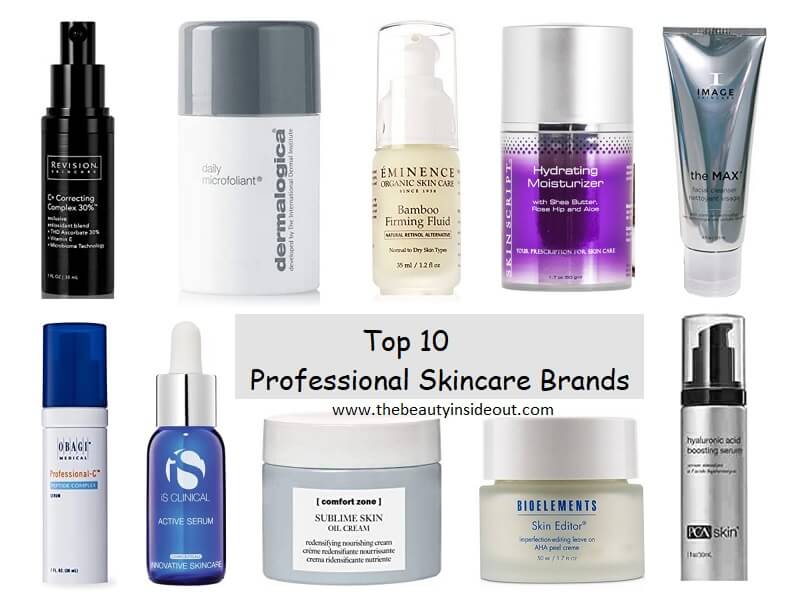
Choosing Professional Skin Care Products for a Spa or Practice
Professional skin care purchasing has a different set of tradeoffs from shopping for a bottle at home. A spa or practice needs dependable supply, suitable client products, staff education, and a workable retail policy. The most recognizable brand is not automatically the best supplier. A strong purchasing process begins with services and operational requirements.
Separate professional distribution from performance claims
Some brands sell through authorized professionals, while others reach both clinics and general retail. That channel distinction may affect training, minimum orders, and access to product support; it is not proof that a formula is medically superior. Ask exactly which products require professional oversight and which are ordinary retail cosmetics.
Review manufacturer documentation on product use and warnings. If a supplier uses terms like “medical grade,” seek concrete information about regulatory status and the particular product. In the United States, cosmetic products and drugs have different claim rules; a professional sales channel does not erase those distinctions.
Verify the supplier before opening an account
Confirm the legal business, authorized distributor status, professional eligibility requirements, and process for damaged or expired stock. Ask whether training is included or sold separately. Verify minimum opening orders, reorder quantities, shipping times, returns, and whether an account can be closed without a penalty.
Request written materials rather than relying only on a sales representative’s slide deck. Look for consistent lot identification, product instructions, and contact information for complaints. A supplier relationship must remain dependable after the initial launch promotion disappears.
Match the range to your actual service menu
Map products to the treatments and aftercare you already offer. A spa specializing in basic facials may need gentle cleansers, moisturizers, and sunscreens more urgently than a broad inventory of aggressive active treatments. Avoid purchasing products your staff are not trained to use or explain.
Introduce a small set and observe operational results: shelf turnover, repeat purchasing, training burden, and client questions. Keep the evaluation separate from unsupported claims of clinical effectiveness. If you provide medical services, product decisions should fit the protocols and oversight required for those services.
Calculate the operational cost of a brand
Wholesale margin is only one number. Add shipping, shelf space, samples, tester waste, staff training time, slow-moving stock, and potential returns. Also ask whether the supplier limits online sales or imposes promotional restrictions. A high margin can vanish when inventory remains unsold.
Track reorder points and the amount of stock needed between deliveries. Customers appreciate continuity: a moisturizer recommended after a facial should not be perpetually out of stock. Put written reorder and return responsibilities into the procurement process.
An opening-order scenario
A small spa might be offered a discounted opening order that includes numerous peels, masks, and retail products. Before agreeing, map each item to an existing service, identify the responsible trained employee, and estimate a realistic three-month turnover. Items with no trained operator or foreseeable demand should not become part of the initial order solely to reach a discount threshold. A limited, well-supported range provides better insight for the next purchasing decision.
A useful checklist
Request proof of authorized professional distribution.
Compare minimum orders, training support, delivery, and returns.
Stock products that serve existing services before expanding the catalog.
Calculate true carrying cost, not wholesale margin alone.
Questions readers ask
Is “professional” the same as “FDA approved”?
No. Distribution language and regulatory classification are separate matters.
Should every spa carry a complete brand collection?
Not automatically. A focused assortment usually makes staff training and inventory control easier.
The best professional skin care brand for a business is one its staff can use appropriately, explain accurately, reorder reliably, and support after the sale.
Keep exploring
For related salon purchasing decisions, What Makes a Skin Care Product High Quality?, Dermatology Skin Care Products: How to Read the Claims and Makeup for Salons: Build a Practical Pro Kit.