Best Pet Insurance in 2026: Plans, Coverage and Comparison Checklist
Compare pet insurance plans in 2026 by coverage, exclusions, deductibles, reimbursements and annual caps using a transparent checklist.
Best Pet Insurance in 2026: Plans, Coverage and Comparison Checklist
The best pet insurance is the policy that covers the specific risks your pet faces at a price you can sustain—not necessarily the brand with the most advertising or an isolated five-star score. This 2026 guide uses a transparent evaluation framework and does not declare a universal winner without matched sample policies, live quotes and documented customer-service evidence.
How we evaluate plans without manufacturing a ranking
Start with coverage scope, then review exclusions, insurer identity, waiting periods, claim calculation, annual benefit limits and renewal provisions. Price comes later, when comparable quotes exist for the same pet and ZIP code. A public claims-processing statistic or an online review is not a substitute for the contract. We have not purchased policies for hands-on testing or conducted a representative survey.
A transparent buyer's worksheet should show exactly what was inspected and when. If a carrier has not supplied a state-specific policy, label its terms unverified rather than award it an invented score. This approach is especially important for pre-existing conditions, hereditary issues and dental benefits, which can be described quite differently in promotional copy.
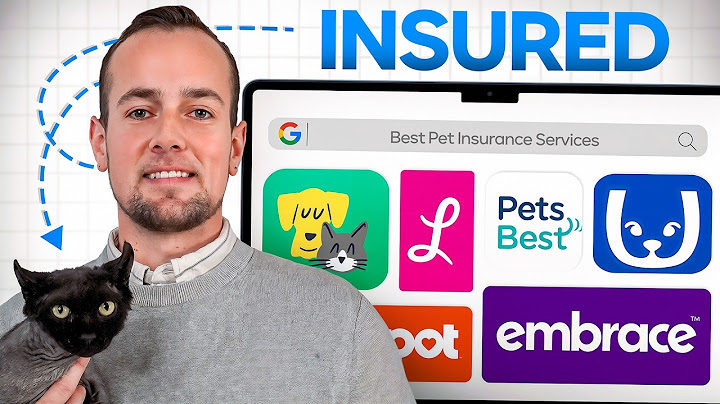
The first choice is the kind of coverage
Accident-and-illness insurance is intended for qualifying unexpected injuries and new illnesses; accident-only insurance excludes most sickness. Optional wellness benefits may help with predictable preventive care but have different economics. Buyers should consider whether they need protection from a rare expensive emergency, recurring illness costs, or both.
A plan does not become a better choice merely by offering more optional features. Focus on the procedures likely to cause a household financial problem and look for major exclusions. The medical coverage overview and accident-only comparison address these two policy types. For claim payment mechanics, read how pet insurance works.
A useful insurer comparison matrix
Figo markets accident-and-illness coverage for dogs and cats, with policies underwritten by Independence American Insurance Company according to its published disclosures. Progressive announced a new directly underwritten pet offering in January 2026, alongside an existing Pets Best-administered program. Nationwide's official materials include a separate program for certain birds and exotic pets. These are verified examples of different product channels, not ranked recommendations.
Availability and features can vary by state, pet and date. Ask each candidate for the current sample policy and a quote with matched settings; compare only documents referring to the same coverage category. For the Costco/Figo shopping route, see Costco pet insurance.
The questions that expose costly differences
How is a pre-existing condition defined? Does the insurer apply special waiting periods? Are exam fees part of the core benefit? Are hereditary conditions eligible when not pre-existing? Does the policy limit payouts annually, per event or by a schedule? Is a deductible annual or condition-specific? What happens to a covered ongoing illness at renewal?
Write the answers beside the exact policy section. If a salesperson cannot answer, treat the uncertainty as a comparison weakness. A policy is a long-term purchase, and an ambiguous exclusion can matter more than a small first-year discount. The pre-existing condition explainer outlines the records questions.
Compare quotes without fake savings claims
Get quotes for the same animal, ZIP, deductible, reimbursement and benefit cap. If a configuration is unavailable, mark it as not comparable. Calculate annual premium, potential deductible and the uninsured portion of a sample eligible claim. Do not treat a market-average premium as a quote offered to your pet today.
The price data guide explains how to interpret published industry averages; dog insurance quotes provides a practical worksheet. Comparing real quotes also reveals whether a low introductory premium depends on a temporary or membership-based discount.
Practical decision rules
For a young pet without known symptoms, prioritize a contract whose future chronic-illness and hereditary terms you understand. For an older animal, compare enrollment eligibility, exclusions and the impact of a high deductible. For an exotic species, first find written confirmation that the species can be insured; typical dog-and-cat plans are not sufficient evidence.
The best choice may be self-funding some predictable bills while insuring selected large risks. Insurance is not the only budgeting tool, and a product should not be represented as guaranteed savings. Review documents regularly because insurers, prices and policy versions change.
Final buyer checklist
Preserve the declarations, underwriting notice, full specimen policy, dated quote, discount conditions and application answers. Verify the cancellation provisions and when coverage starts. Check whether the insurer is properly licensed in your state and where claims or complaints are handled. Compare at least two credible plans rather than assuming a memorable brand name proves quality.
This guide presents selection criteria, not a personalized financial recommendation. A licensed insurance professional or your state insurance department may help clarify regulatory details, while your veterinarian is the right person to advise on care needs.
Illustrative scoring sheet without a fake winner
Create a worksheet with five decision categories: covered conditions, exclusions and waiting periods, cost and out-of-pocket exposure, annual benefit protection, and service documentation. Give each category a weight that matches your household's needs, then copy evidence from the policy beside each candidate. Do not assign a score where the sample policy or current quote is missing. An incomplete worksheet is more honest than a polished ranking built from assumptions.
A dog with a documented chronic condition may weight pre-existing restrictions heavily, while a young cat owner may emphasize new illness coverage and sustainable annual premium. The goal is not to force one insurer to win every comparison. It is to expose the reasons for the choice and make it easier to revisit the decision at renewal.
What to recheck before publication or purchase
Insurance availability, underwriting relationships, payment procedures and sales offers may change. Date each product statement and keep the exact policy version that supports it. Avoid carrying a historical launch announcement forward as proof that a plan is available everywhere today. If a provider changes administrators or marketing channels, establish which organization is legally responsible for the contract and where claims are handled.
A pet owner's best next step is to ask for an individual quote or written service-status confirmation, then preserve the response. An editor should follow the same discipline before publishing a definitive claim. This article is informational and does not stand in for veterinary treatment advice, individualized insurance advice, or the enforceable language of a policy.
Quick comparison checklist
| Item to verify | What to record before buying |
| Coverage | Accident-only versus accident-and-illness; riders |
| Payment | Premium, deductible, eligible-expense formula |
| Limits | Annual benefit maximum and sub-limits |
| Fine print | Waiting periods, exclusions and renewal rules |
Frequently asked questions
Which pet insurance company is best?
There is no defensible universal winner without matching your pet profile, location and needed benefits to actual contracts.
Should I choose the cheapest premium?
Not automatically; compare out-of-pocket exposure, exclusions, deductible and coverage limits.
Is unlimited coverage always better?
A higher annual benefit limit may reduce exposure, but the contract could still exclude a particular condition.
Does every pet insurer cover rabbits?
No. Species eligibility must be confirmed; specialized exotic-pet products are a separate market.
Do reviews prove claims will be paid?
No. Examine the policy terms and claims procedures; anonymous anecdotes may be incomplete.
How often should I revisit my choice?
Review the contract at renewal and when coverage needs, premiums or product availability change.