Pet Insurance for Pre-Existing Conditions: What to Know
Understand how pet insurance treats pre-existing conditions, waiting periods, medical history and possible exceptions.
Pet Insurance for Pre-Existing Conditions: What to Know
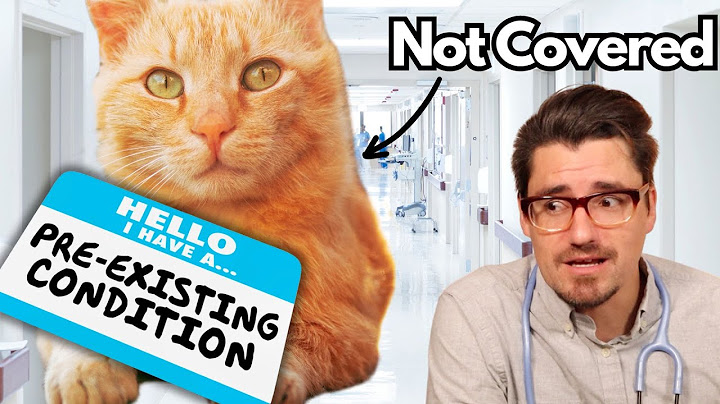
Most pet insurance policies do not cover conditions considered pre-existing under their definitions. A diagnosis is not always required: earlier symptoms, treatment or veterinary notes may matter. Some insurers define a pathway for certain curable conditions after a specified symptom-free period, but ongoing or chronic conditions commonly remain excluded. Always obtain the applicable wording in writing.
What may count as pre-existing
A pre-existing condition is generally something documented, treated or symptomatic before the relevant coverage date or during a waiting period, as defined in the contract. Insurers may review prior clinical records, laboratory findings and veterinarian notes to determine whether the later claim is connected to an earlier problem. A condition not formally named until after enrollment may still fall under an exclusion.
The wording can be broader than an owner's everyday understanding. A recurring limp, digestive symptom or skin problem in earlier notes might matter even if no final diagnosis was recorded. Read the definitions section and ask whether the insurer assesses individual symptoms, a single named disease, related conditions or an entire body system.
Curable versus chronic histories
Some products provide a way for certain resolved conditions to become eligible after a documented period without signs or treatment. The time required and list of excluded conditions differ by insurer and contract. This is not a general promise that all previous diagnoses become covered after one year. Chronic diseases may be treated differently, and a recurrence can remain excluded under specific wording.
When evaluating an insurer, request its written definition of 'curable' and whether maintenance medication prevents a symptom-free period from qualifying. Ask for an example that matches your pet's situation rather than relying on a sales slogan. Retain the written answer with the specimen policy.
Waiting periods and the timing problem
A pet can develop signs of an illness shortly after enrollment but before illness benefits become active. Under many contracts, the resulting condition may be excluded as pre-existing despite the purchase date preceding the diagnosis. Some waiting periods differ for accident, illness and orthopedic conditions. State rules may alter the permissible provisions, which is why a generic nationwide summary is not a substitute for the issued policy.
Create a timeline of veterinary visits, symptoms, testing, treatment, enrollment, policy effective date and waiting-period end date. That timeline is useful for both careful application answers and a later claim review. Do not alter or omit records to try to change the classification.
Bilateral, hereditary and related-condition language
Certain contracts contain rules affecting conditions on opposite sides of the body—for example, a prior issue in one knee may be relevant to a later problem in the other. A policy might also set conditions for hereditary disorders, congenital abnormalities or orthopedic exams. These are policy-specific provisions and should not be described as universal across insurers.
Ask the carrier whether a prior finding affects an entire diagnosis category or only a particular episode. If the insurer will not provide certainty before claims review, record that uncertainty and plan financially for a possible denial. The broader medical insurance guide explains where these conditions sit within accident-and-illness coverage.
How to ask for a useful written clarification
Send the relevant veterinary diagnosis, dates, current treatment status and exact policy wording to the insurer's authorized support channel. Ask whether it offers a medical-history review, and whether the outcome is binding or merely an informal explanation. Find out what evidence would show that a condition has resolved and whether future related episodes could be covered.
Keep all correspondence and do not treat an oral assurance as a contract amendment. If a claim is denied, request the provision cited and follow the insurer's reconsideration procedure. The claims guide explains the mechanics. Questions about dental history are discussed in pet dental insurance.
Planning when the existing problem is excluded
Insurance may still have value for unrelated future covered illnesses or injuries. Compare the premium against your budget and potential benefit rather than concluding a policy has no purpose because one condition is excluded. Set aside funds for the existing diagnosis and keep up with veterinary follow-up care.
If changing carriers, watch for new exclusions related to conditions that arose under the prior policy. A successful past claim does not necessarily mean the next insurer will cover the same disease. Preserve continuous coverage where practical until you understand exactly what the replacement policy accepts.
An illustrative timeline illustrates why records matter
Imagine a dog with intermittent limping in March, a new policy starting in April, and a specific knee diagnosis in June. Under a contract that treats pre-policy signs as relevant, the timing of March symptoms may affect the June claim even though the diagnosis was made after the effective date. The result depends on the medical records and exact definitions; this is not a prediction of a real claim outcome.
Now imagine a fully resolved minor infection from two years earlier. Some insurers might apply a defined curable-condition provision, while others would continue to exclude related expenses. The important action is to compare the company's actual language and ask for a documented review when available. Neither situation can be decided reliably using a generic yes-or-no answer about pre-existing conditions.
A two-column contract-reading exercise
Place the insurer's marketing summary beside the specimen policy. In the first column write the appealing benefit or claim from the advertisement; in the second, copy the precise definition, exclusion, limit or endorsement that governs it. Highlight any term that is missing from the written document and request clarification before buying. This prevents a common mistake: assuming the headline level of coverage controls each individual line of a future invoice.
Repeat the exercise at renewal, because prices and approved terms may change. Keep earlier versions and dated correspondence. If you cannot reconcile an apparent inconsistency, speak with the insurer or a licensed agent rather than guessing. The objective is a policy whose practical limitations are as clear as its advertised strengths.
Quick comparison checklist
| Item to verify | What to record before buying |
| Coverage | Accident-only versus accident-and-illness; riders |
| Payment | Premium, deductible, eligible-expense formula |
| Limits | Annual benefit maximum and sub-limits |
| Fine print | Waiting periods, exclusions and renewal rules |
Frequently asked questions
Can insurance cover a condition diagnosed before enrollment?
Often it will be excluded. Certain defined curable histories may be considered differently; check written terms.
What if symptoms existed but there was no diagnosis?
Some policies count prior signs or symptoms, so a formal diagnosis is not always required.
Are all chronic conditions permanently excluded?
Chronic pre-existing conditions are often excluded, but policy language and state rules control.
Does a waiting period create pre-existing conditions?
Signs arising during a waiting period may affect later coverage, depending on the contract.
Can an insurer review records before I buy?
Ask whether a medical-history review is offered and whether any decision will be binding.
What if I disagree with a denial?
Request the exact policy reason, gather medical evidence and use the insurer appeal process; a state regulator may also assist.