Best Robot Vacuum and Mop for Pet Hair: Hybrid Features
Understand dual vacuum-and-mop robots for homes with shedding pets, including wet-floor upkeep, carpet avoidance and dock cleaning.
Best Robot Vacuum and Mop for Pet Hair: Hybrid Features
Understand dual vacuum-and-mop robots for homes with shedding pets, including wet-floor upkeep, carpet avoidance and dock cleaning.
A robot that vacuums and mops can be useful for homes where pets leave both loose fur and paw prints on sealed floors. Its two jobs should be evaluated separately. A device that wipes tile well may not lift embedded hair from carpet, and a great dry-floor cleaner may have a basic mop that only dampens the surface. This guide prioritizes safety, maintenance and realistic hybrid performance.
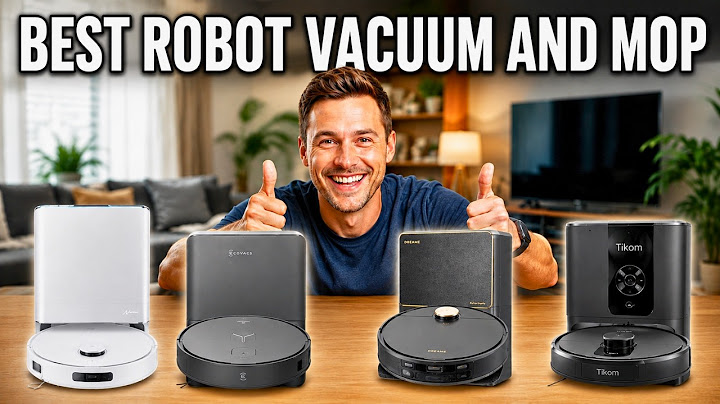
Where vacuum-and-mop robots help most in pet homes
The biggest benefit is handling repetitive hard-floor upkeep between deeper manual cleans. Dry passes collect fur and tracked litter; wet passes can address light paw marks when the floor manufacturer allows damp cleaning. Don't expect a small mop pad to replace manual scrubbing of sticky messes, grout or dried stains. For wood, laminate and engineered floors, review the flooring maker's moisture guidance before allowing a robot to mop. Keep areas around pet bedding, bowls and accident-prone spots under observation. The value comes from appropriate routine care, not replacing every other cleaning tool.
Dry fur pickup versus wet floor maintenance
A hybrid's vacuum motor, brushroll and air path still determine dry hair pickup. Assess carpet performance separately from wet mopping, including whether hair tangles around the roller and whether the machine scatters fur with a side brush. An impressive mop demo on hard tile tells you little about hair embedded in rugs. Some robots perform a vacuum pass before mopping; others combine functions. Determine which mode provides the best results for your layout and whether the unit can vacuum without wetting sensitive surfaces. The general robot-vacuum guide covers dry-cleaning criteria in more depth.
Mop lifting and rug protection
Mop lifting can help a robot cross a short rug without wetting it, but the height of lift and actual clearance vary. Thick rugs may still contact a damp pad or be flagged incorrectly in the app. Test detection with supervision and use no-mop zones around delicate textiles. A hybrid with no reliable carpet avoidance may be unsuitable for mixed-floor rooms even if its vacuum pickup is respectable. Keep mop moisture moderate and follow the floor manufacturer's limits. A software map is helpful but should not be the only protection for an expensive wool rug or unfinished wood.
Dirty water handling and washable pads
Used mop pads and dirty-water tanks require cleaning because moisture and organic debris can create odors. Multifunction docks may automatically wash and dry pads, but you still need to inspect the wash tray, refill fresh water and empty used water. Compare the space and electricity needed by a full dock against a compact charging station. Check whether cleaning solutions are approved by the manufacturer and safe around pets; do not add essential oils or disinfectants casually. Keep the dirty-water reservoir away from animals and wash hands after handling its contents. Maintenance is part of owning a hybrid.
Accident avoidance and pet safety
A pet accident is a reason to stop a cleaning run, not a stain the robot should discover. Cameras and detection systems can miss small waste piles, vomit or liquids, especially under furniture. If a mess is spread by the machine, cleanup becomes much harder and may contaminate brushes, pads and the dock. Run initial routes while home, maintain obstacle-free areas, and block off spaces where a pet is recovering from illness or having accidents. Choose predictable, supervised schedules over unattended automation when a household is dealing with this risk.
Dock cleaning cost and routine maintenance
A sophisticated dock can refill water, empty dust and wash pads, yet its trays, seals and filters still need routine checks. Compare disposable bag expense, pad replacements, brushroll access and possible repair complexity. Check how often the robot needs manual intervention when hair collects near the edges or tangles under rollers. Consider whether a large dock creates a tripping hazard or occupies the only useful outlet. A basic robot with easy-to-clean parts may be more satisfying than an expensive hybrid whose maintenance tasks do not fit your routine.
What a hybrid still cannot replace
Choose a hybrid if most of your living area is sealed hard flooring, you want frequent light mopping, and you're willing to maintain the water system. Prefer a dry-focused robot if wet cleanup would be occasional or rugs dominate the floor plan. Neither removes the need for a manual vacuum on upholstery, stairs or deep carpet. Before buying, find credible independent results for both dry hair pickup and mopping, inspect the exact model's water and rug features and compare ongoing dock consumables. Keep brand claims separate from measured results.
Practical buying checklist
Match the machine and floorhead to the surfaces where fur collects most.
Verify pet-hair pickup, cleaning-head behavior and filtration using independent evidence.
Consider accessories, maintenance access, consumables and total ownership cost.
Frequently asked questions
Does mopping remove pet hair?
Vacuuming is the main hair-removal function; mopping is primarily for light residue on compatible hard floors.
Can a robot mop damage rugs?
It can wet them if detection or pad lifting fails; test and use no-mop zones.
Are robot vacuum-and-mop docks maintenance-free?
No. Pads, dirty-water tanks, wash trays, filters and bags all need attention.
Can I run a hybrid around pet accidents?
Avoid it. Clean any waste or vomit manually and use supervised runs when accidents may occur.