Best Vacuums for Pet Hair: A Practical Buying Guide
Compare the vacuum types, floorheads, filtration and pet-hair tools that matter on carpet, hard floors and furniture. No invented hands-on test claims.
Best Vacuums for Pet Hair: A Practical Buying Guide
Compare the vacuum types, floorheads, filtration and pet-hair tools that matter on carpet, hard floors and furniture. No invented hands-on test claims.
Pet hair doesn't behave the same way on every surface. Loose fur can drift across a sealed floor, while shorter hairs become embedded in carpet fibers and fine dander moves through the air. That is why a vacuum marketed for pets is not automatically the right choice for your home. Start with your floor types, cleaning frequency and the places your animal actually sleeps; then compare machines against those jobs rather than buying on a headline ranking alone.
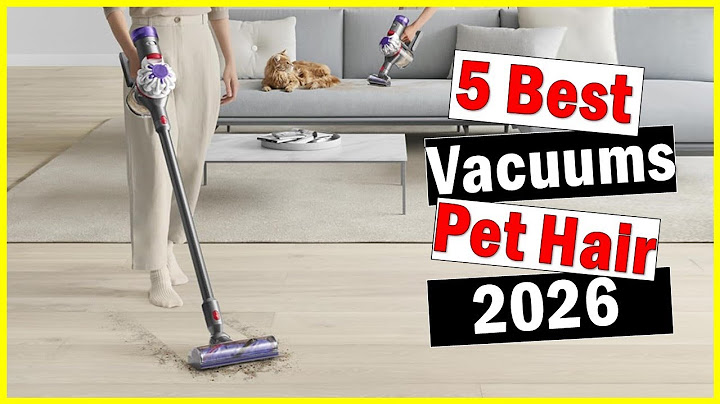
Quick answer: which vacuum type suits a pet-owning home?
For mostly hard floors and frequent small messes, a light stick vacuum with a soft or suitable multi-surface head may be the easiest machine to use every day. For wall-to-wall carpet, prioritize a powered brushroll and evidence of embedded-hair pickup. Corded uprights can suit long sessions without charging, whereas robot cleaners help maintain exposed floor areas between deeper cleans. If stairs and couches collect the most fur, a full-size machine with a motorized upholstery attachment is often more useful than one with impressive floor statistics but weak above-floor reach. No single design wins every situation.
Pet hair pickup on carpet versus sealed hard floors
Carpet holds fur between fibers, so suction alone tells only part of the story. Agitation from a powered brushroll can lift strands that straight suction leaves behind, provided the head is appropriate for the pile. On sealed hard flooring, strong airflow and a head that does not scatter debris may matter more than stiff bristles. Look for separate independent pickup observations on carpet and hard flooring; a single broad cleaning score may hide that contrast. Before purchasing, also confirm whether the head can be switched off or adjusted for delicate rugs and flooring specified by the manufacturer.
Brushroll design and detangling considerations
Long pet hair can wind around rotating brushes and reduce pickup over time. Designs marketed as anti-tangle can help, but the claim does not mean hair will never need removal. A brush that can be removed and cleaned safely is valuable, especially in households with long-haired dogs or several shedding cats. Check whether replacement rolls and belts remain available, and whether a tool-free access panel makes routine cleaning practical. A small powered attachment for sofas may have a completely different brush design from the floorhead, so assess both. Disconnect power before reaching near the brush mechanism.
Filtration, sealed systems and cleaner dustbin emptying
If airborne particles are a concern, evaluate the complete airflow path rather than trusting a HEPA label on one filter. Gaps elsewhere in an unsealed vacuum can release fine dust during cleaning. Emptying a bagless canister may also create a cloud of debris even when the vacuum filters well during operation. Bagged vacuums with well-fitting, closable bags can make disposal tidier but add replacement cost. Independent filtration and emptying observations help distinguish those issues. Clean or replace filters only as directed: an incorrectly installed or damp filter may create performance problems.
Mini motorized tools for upholstery, stairs and cat hair
A narrow crevice tool reaches along baseboards and furniture seams; it does not scrub fur out of upholstery. A motorized mini brush can be more effective on fabric cushions or pet beds, but check it on a small hidden area and follow furniture-care instructions. Stairs need a stable, easy-to-carry configuration with enough hose or wand reach. Cat hair on a lightweight throw or curtain may require gentler suction than hair on a durable sofa. Map your three most difficult surfaces before comparing accessory bundles; a missing attachment can matter more than a small difference in main-unit power.
Bagged versus bagless, corded versus cordless trade-offs
Cordless machines are convenient for everyday cleaning, but quoted runtimes commonly reflect low-power settings, not maximum suction with a powered head. Corded models remove battery anxiety, although cables and heavier bodies make them less flexible. A small bagless bin is easy to rinse or inspect but may need emptying repeatedly during shedding season. Bagged machines produce ongoing consumable expense while often making disposal cleaner. Total ownership cost also includes filters, brushrolls, batteries and service availability. Compare those costs over several years rather than treating purchase price as the only expense.
Decision checklist and links to focused guides
Write down the share of carpet and hard flooring in your home, how many flights of stairs you clean, the storage space available, and whether airborne dust or frequent emptying matters. Next, filter candidates to those with the correct cleaning head and attachments. Read independent tests for the exact model—not a similarly named family—and verify the current US manual and included tools. A practical purchase is the machine you can maintain and comfortably use on your real messes. For narrower decisions, use the dedicated robot, cordless, upright, carpet and grooming guides linked below.
Practical buying checklist
Match the machine and floorhead to the surfaces where fur collects most.
Verify pet-hair pickup, cleaning-head behavior and filtration using independent evidence.
Consider accessories, maintenance access, consumables and total ownership cost.
Frequently asked questions
What type of vacuum is best for pet hair?
It depends on the surfaces and cleanup routine: powered brushrolls often help on carpet, while convenient multi-surface heads suit frequent hard-floor pickup.
Is a HEPA filter enough for pet allergies?
Not necessarily. The entire machine must control leakage, and emptying can still expose dust; compare sealed-system and disposal information.
Are robot vacuums enough for shedding dogs?
They can reduce daily loose fur but generally do not replace careful carpet, upholstery and edge cleaning.
Is corded or cordless better for heavy shedding?
Corded designs avoid battery limits; cordless designs are faster to grab. Judge their pickup on your floor types and the cleaning time required.
Do I need a special pet-hair attachment?
A motorized upholstery tool may be useful if furniture and stairs collect more hair than your floors.
Related guides
Best Vacuum for Carpet and Pet Hair
Best Cordless Vacuums for Pet Hair: What to Compare
Best Robot Vacuums for Pet Hair
Best Robot Vacuum and Mop for Pet Hair: Hybrid Features