Pet Grooming Vacuums for Dogs: What They Do
See how pet grooming vacuums differ from floor vacuums, what attachments matter, and how to introduce the sound without stressing a dog.
Pet Grooming Vacuums for Dogs: What They Do
See how pet grooming vacuums differ from floor vacuums, what attachments matter, and how to introduce the sound without stressing a dog.
A pet grooming vacuum is designed to collect loose hair during brushing or clipping, not to replace the household floor vacuum. For a dog that sheds, it can keep some fur from spreading across the room. The right device must fit the coat type and, more importantly, be acceptable to the dog. Gentle handling and safe introduction to the noise matter more than a strong suction headline.
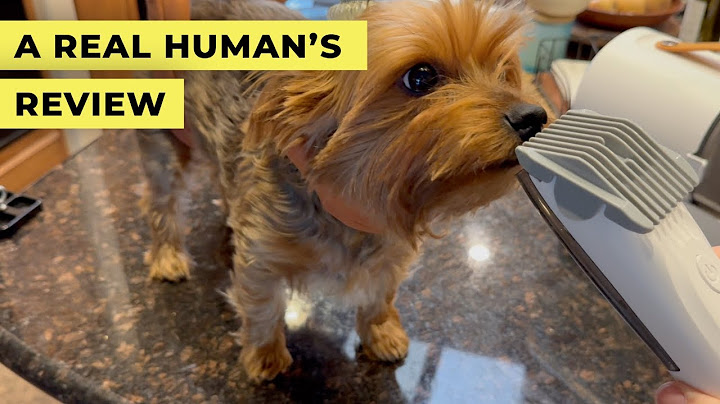
What is a pet grooming vacuum?
Most grooming vacuum kits combine a compact collection canister with brushing, deshedding or clipper attachments. They collect loose hair where it leaves the coat, unlike floor vacuums that clean settled fur afterward. These kits generally have smaller hoses and specialized accessories; using them on deep carpet is not the same job as using a powered floorhead. Some ordinary vacuums accept pet grooming attachments, but that does not mean every household vacuum is suitable for use directly on an animal. Follow the manufacturer's intended-use directions and the dog's reactions at all times.
Grooming vacuums versus household floor vacuums
A slicker-style brush, comb or deshedding blade can be useful for different coat textures, but the wrong tool can pull or damage hair. Short smooth coats, dense undercoats and curly coats often require different grooming techniques. Work with the grain of the fur and avoid excessive pressure. Never assume the accessory included in a kit is appropriate for every breed. Dogs with mats, thin skin, injury or a painful area may require a professional groomer or veterinarian rather than a device that tugs or vacuums directly against the coat. Tool choice comes before vacuum power.
Brush and comb attachments for coat type
Introduce the system in stages rather than switching the motor on against the dog's body. First let the dog explore the unplugged attachments and reward calm interest. Then turn the vacuum on at a distance for a short period, pairing the sound with something positive. Move closer only if the dog is relaxed, and use a quiet setting if the machine provides one. Stop at signs of distress such as freezing, fleeing, growling or repeated lip licking. Do not restrain a frightened animal just to finish a session. A workable low-stress routine is more valuable than collecting every loose strand in one pass.
Introducing suction noise gradually to a dog
Avoid suction over eyes, ears, paws, genitals or irritated areas. Use smooth, gentle strokes and keep the hose from twisting around the dog's legs. Grooming machines are not treatments for itching, excessive shedding, bald patches or skin infections. If your dog has sudden hair loss, redness, sores or pain during brushing, seek veterinary guidance. For long-coated dogs with heavy mats, trying to pull mats into a vacuum attachment can be especially uncomfortable. Good grooming should not require force. Check attachments for cracked teeth or sharp edges before every session.
Skin comfort and handling safety
The reservoir, filter and brush teeth collect hair and skin debris that need regular cleaning. Check how easily the canister detaches and whether loose fur escapes when it opens. Wash only parts that the manual designates as washable and dry them thoroughly before reassembly. Check hose joints for trapped hair, inspect any clipper head for buildup and store cables away from chewing animals. A heavily packed filter can increase noise or weaken airflow, which may make the grooming experience worse. Do not share contaminated tools between animals without proper cleaning.
Cleaning filters and grooming accessories
A household floor vacuum is built to remove fur from carpets, rugs and furniture using heads designed for those surfaces. A grooming vacuum aims to intercept loose coat hair at the animal and often includes combs or trimming equipment. Buying one does not eliminate the other job; bedding and carpets still need routine cleaning. If you need one purchase for a heavily carpeted home, prioritize your main cleaning requirement. A grooming device makes more sense as an additional convenience when the dog tolerates brushing and sheds enough to justify the setup and cleaning time.
When a professional groomer is more appropriate
Before buying, check the kit's attachment shapes, hose length, noise controls, canister cleaning, availability of clipper parts and whether the manufacturer clearly authorizes animal use. Match brushes to the coat and ask a groomer for guidance if uncertain. Schedule short trials before committing to long sessions. Some dogs will never be comfortable with a motor near them, and a regular brush plus a conventional vacuum afterward is entirely reasonable. This article is about safe grooming collection, not a ranking of household carpet vacuums or a claim that vacuuming prevents all shedding.
Practical buying checklist
Match the machine and floorhead to the surfaces where fur collects most.
Verify pet-hair pickup, cleaning-head behavior and filtration using independent evidence.
Consider accessories, maintenance access, consumables and total ownership cost.
Frequently asked questions
Is a grooming vacuum safe for dogs?
It can be when designed for grooming, introduced gradually and used with appropriate attachments; stop if the dog shows distress.
Can I use a regular vacuum directly on my dog?
Do not do so unless the manufacturer explicitly supports an appropriate animal-grooming attachment and the dog tolerates it.
Do grooming vacuums stop shedding?
No. They collect some loose fur during grooming; they do not prevent normal hair growth and shedding.
What if my dog is afraid of the noise?
Use brief positive introductions at a distance or choose conventional brushing instead of forcing a session.