Black Native Americans: History, Identity and Communities
Learn about Black Native American identities, historical connections and tribal citizenship, including why ancestry and sovereign enrollment differ.
Black Native Americans: History, Identity and Communities
Black Native Americans are people and communities whose histories and identities connect African American and Indigenous experiences. Their stories are not all the same. Some involve centuries of family ties between Black and Native communities; others involve African American descendants of people enslaved within particular tribal nations. Questions about tribal citizenship require attention to the laws and histories of the nation involved, not assumptions based on appearance or family lore.
There is no single Black Native American history
The histories of Black and Native people intersect in many regions, including the Southeast and Indian Territory. Some families have generations of shared community life, while others trace their experience through enslavement, emancipation, migration, marriage, or citizenship disputes. The appropriate term can depend on the community and the person's own language about identity.
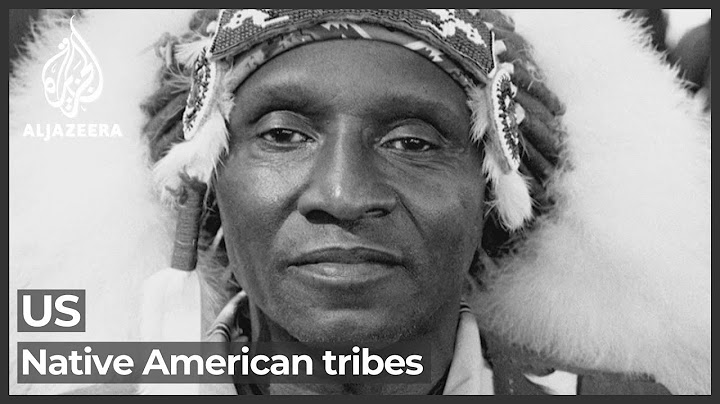
Avoid treating Black Native Americans as a single historic 'tribe.' A person's Black and Indigenous identities may both be important, yet a racial description alone cannot establish formal citizenship in a particular tribal nation.
Cherokee Freedmen: a specific legal history
The Cherokee Nation's history includes slavery, emancipation, and the 1866 treaty with the United States. That treaty provided citizenship rights for Cherokee Freedmen and their descendants. A 2017 federal court decision affirmed descendants' rights under the treaty, and Cherokee Nation's subsequent constitutional and legal changes secured equal citizenship for eligible Freedmen descendants.
The Cherokee Nation explains that its citizenship rules rest on documented lineage to eligible individuals on the Dawes Rolls, including Freedmen lines. It is inaccurate to say that Cherokee Freedmen descendants have no citizenship rights today. Equally, it would be inaccurate to project Cherokee legal history onto other nations with different treaties, laws, and enrollment systems.
Other nations and different citizenship rules
The Five Tribes' nineteenth-century treaties and modern legal systems do not operate as one shared enrollment code. Historical Freedmen records and contemporary eligibility rules differ among Cherokee, Choctaw, Chickasaw, Muscogee, and Seminole contexts. A 2026 Government Accountability Office review compares these differences and explains why questions about descendants' status must be addressed nation by nation.
Journalists and family historians should label historical records, litigation, legislation, and current tribal policies separately. A newspaper account of a dispute does not necessarily describe today's law.
Identity, genealogy, and documentary evidence
An oral family history may provide clues to community connections, but documentation and tribal citizenship are separate matters. Start with known relatives, places, dates, and records, then investigate the relevant nation's own citizenship guidance if formal enrollment is the goal. Commercial DNA estimates do not establish tribal citizenship and should not be presented as a substitute for community or legal standards.
When writing about a living person, use their publicly stated identity rather than inferring it from a surname, photograph, or online ancestry claim.
How to research responsibly
Use tribal governments' published histories first and consult primary treaty texts or reliable legal summaries when discussing citizenship. University and museum collections can help explain Black and Native experiences without erasing either one. Histories can include painful facts about slavery and exclusion; acknowledging them accurately does not diminish the continuing existence of Native nations or Black communities.
A careful article explains who a law applied to, when it applied, and what has since changed rather than turning complicated history into a single slogan.
Frequently asked questions
Are Black Native Americans one tribe?
No. The term describes intersecting identities and histories, not a single tribal government.
Can descendants of Cherokee Freedmen be Cherokee Nation citizens?
Eligible descendants have citizenship rights under Cherokee Nation law and the 1866 treaty framework affirmed by court decisions.
Does DNA establish Native tribal citizenship?
No. Eligibility is determined by the specific tribal nation under its own law and documentary requirements.
Do all tribal nations use the same citizenship rules?
No. Nations have distinct histories, laws, and enrollment criteria; use the nation’s current official guidance.
Related reading
Explore these focused guides for the next step in your research: