Cherokee People: History, Communities and Tribal Nations
Learn about Cherokee history, Southeastern homelands, three federally recognized Cherokee tribal governments, language and communities today.
Cherokee People: History, Communities and Tribal Nations
The Cherokee people are Indigenous peoples with deep historical roots in the southeastern United States and continuing sovereign communities today. Three Cherokee tribal governments are federally recognized: the Cherokee Nation, the Eastern Band of Cherokee Indians, and the United Keetoowah Band of Cherokee Indians in Oklahoma. They have distinct governments and citizenship rules, and they should not be presented as one administrative entity.
Where Cherokee communities are today
The Cherokee Nation is based in Tahlequah, Oklahoma, and serves citizens in its northeastern Oklahoma reservation area and beyond. The Eastern Band of Cherokee Indians is based in western North Carolina, while the United Keetoowah Band is also based in Oklahoma. Many Cherokee citizens live outside these areas; residence alone does not determine enrollment or identity.
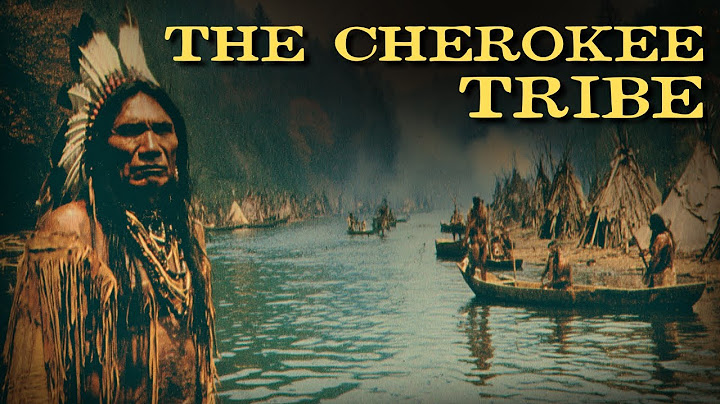
Official Cherokee government histories are the best places to check names, current leadership, enrollment information, and historical interpretation.
Southeastern homelands and forced removal
Cherokee communities developed across areas now called North Carolina, Georgia, Tennessee, Alabama, and neighboring states. During the nineteenth century, US policies and forced removal uprooted many Cherokee families to Indian Territory. The removals collectively remembered as the Trail of Tears caused enormous suffering and loss.
The historical experiences of Cherokee communities were not identical. Some people remained in the East, and the different present-day Cherokee governments developed through their own histories. Learning the timeline is essential but does not replace attention to present-day governance and cultural life.
Three federally recognized Cherokee governments
The Cherokee Nation, Eastern Band of Cherokee Indians, and United Keetoowah Band are separate tribal governments. Cherokee Nation confirms this distinction in its public materials. People researching family citizenship should consult the specific nation's official guidance rather than assuming one application process covers all three.
Tribal citizenship is a legal relationship. Broad claims of Cherokee ancestry, internet surname lists, or a DNA report do not automatically create citizenship in any of the three nations.
Language, literature, and living communities
The Cherokee language remains a focus of revitalization, education, and publishing. The Cherokee syllabary, associated with Sequoyah, is a major historical milestone in literacy, but the present-day story includes students, teachers, media, and community language work. Contemporary Cherokee people also participate in government, business, medicine, agriculture, arts, and wider US civic life.
Descriptions of housing, food, and clothing should be dated to a period and community. Historical depictions are not a universal portrait of what Cherokee people wear or eat today.
How to research responsibly
For Cherokee Nation history and citizenship, rely on official Cherokee Nation materials; use the other Cherokee governments' websites for their respective rules and perspectives. For colonial-era records, note the authors and biases of the documents. Avoid assuming that a single cultural item, recipe, or account belongs to all Cherokee people across time.
Readers specifically interested in foods and homes can continue with focused guides instead of overloading a general introduction.
Frequently asked questions
How many federally recognized Cherokee tribes are there?
Three: Cherokee Nation, Eastern Band of Cherokee Indians, and United Keetoowah Band.
Where is the Cherokee Nation based?
It is headquartered in Tahlequah, northeastern Oklahoma.
Are Cherokee people only part of history?
No. Cherokee nations and communities are active today, with governments, language programs, and contemporary cultural life.
Does ancestry alone make someone a tribal citizen?
No. Each Cherokee government determines citizenship under its own requirements.
Related reading
Explore these focused guides for the next step in your research:
Cherokee Food: Ingredients and Traditional Foodways