Understanding Plants: Species Profiles, Structures, Adaptations and Natural Habitats
Explore botany and plant species with carefully defined concepts, evidence-led examples and focused guides to individual questions.
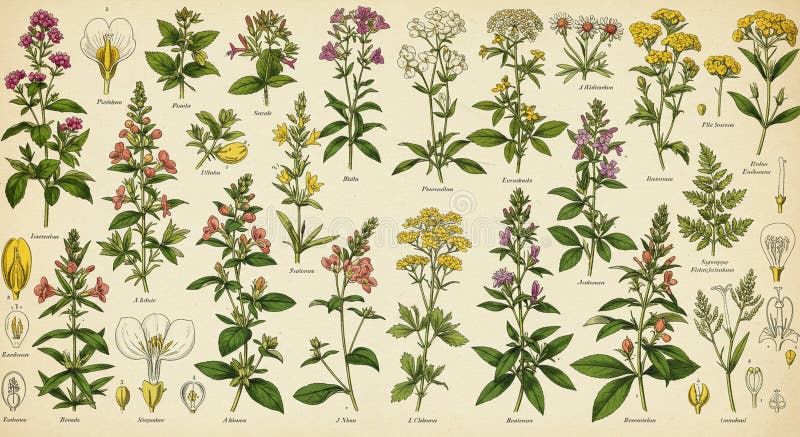
Understanding Plants: Species Profiles, Structures, Adaptations and Natural Habitats
Plants occupy a wide range of habitats and display striking adaptations. Their leaves, stems, roots, flowers, and reproductive structures offer clues about both identity and ecological function.
How the field is organized
A pitcher plant captures nutrients from prey, while a sundew uses sticky glands. An agave conserves water in succulent tissues; an aquatic water lily builds leaves suited to life at the water surface. These differences make a single general “plant care” rule inadequate.
Core ideas and how to read them
Botanical classification and common names can disagree. True lotus and water lily are different lineages, and “white birch” may describe more than one species. Accurate identification relies on multiple features and, when needed, an accepted scientific name.
Botanists use diagnostic traits, habitat, evolutionary relationships, and scientific names to distinguish plants. A common name may cover several species or cultivated varieties.
Explore the topic library
Pitcher Plant — Pitcher plants are carnivorous plants that capture prey in modified leaves shaped like containers.
Blue Lotus Plant — Blue lotus commonly refers to Nymphaea caerulea, an aquatic flowering plant also called Egyptian blue water lily.
Monk Fruit Plant — Monk fruit comes from Siraitia grosvenorii, a climbing plant in the gourd family native to parts of southern China.
Anthurium — Anthurium is a large genus of tropical flowering plants in the arum family, known for foliage and showy inflorescences.
Crocus Flowers — Crocus is a genus of small flowering plants that grow from corms and are often associated with early spring or autumn blooms.
Cape Sundew Plant — Cape sundew, Drosera capensis, is a carnivorous plant native to South Africa with long, sticky tentacle-bearing leaves.
Royal Poinciana — Royal poinciana, Delonix regia, is a tropical ornamental tree noted for its broad canopy and striking red-orange flowers.
Chia Plant — Chia, Salvia hispanica, is an annual flowering plant in the mint family grown for its small edible seeds.
Sensitive Plant — Sensitive plant, Mimosa pudica, is a small tropical plant famous for leaves that fold after touch or vibration.
Agave Plants — Agaves are a group of succulent plants with rosettes of thick leaves adapted to relatively dry environments, especially in the Americas.
White Birch — White birch is a common name applied to several birch trees, often referring to Betula papyrifera in North America.
Hornbeam Tree — Hornbeams are deciduous trees in the genus Carpinus, generally known for hard wood and finely veined leaves.
Jewel Orchid — Jewel orchids are orchids valued primarily for intricately patterned leaves rather than showy flowers.
Strangler Fig Trees — Strangler figs are fig species that can begin life as seedlings on another tree, developing roots toward the ground as they grow.
Elodea — Elodea is a genus of submerged freshwater aquatic plants with stems bearing whorled leaves.
Hybrid Tea Roses — Hybrid tea roses are a horticultural class of roses widely grown for large, often high-centered flowers produced on long stems.
How explanations are evaluated
Distinguish ecology and botany from product claims. Edible seeds, ornamental flowers, and plants marketed in extracts may have very different safety considerations. Identification never establishes a product’s safety by itself.
Careful identification combines leaves, reproductive structures, growth form, and regional floras. Modern taxonomy also uses genetic evidence and curated databases.
Questions worth asking
What exactly is being defined? Which mechanisms have been established, and which statements describe simplified models? How does the evidence change when time, location, scale, or context changes?
Use the linked articles for the detailed definitions, examples, and limits. This page is a directory and overview rather than a replacement for the individual subject entries.
