Hybrid Tea Roses: Identification, Habitat, Adaptations and Botanical Facts
Understand hybrid tea roses with clear definitions, examples, scientific context, and notes on common misunderstandings.
Hybrid Tea Roses: Identification, Habitat, Adaptations and Botanical Facts
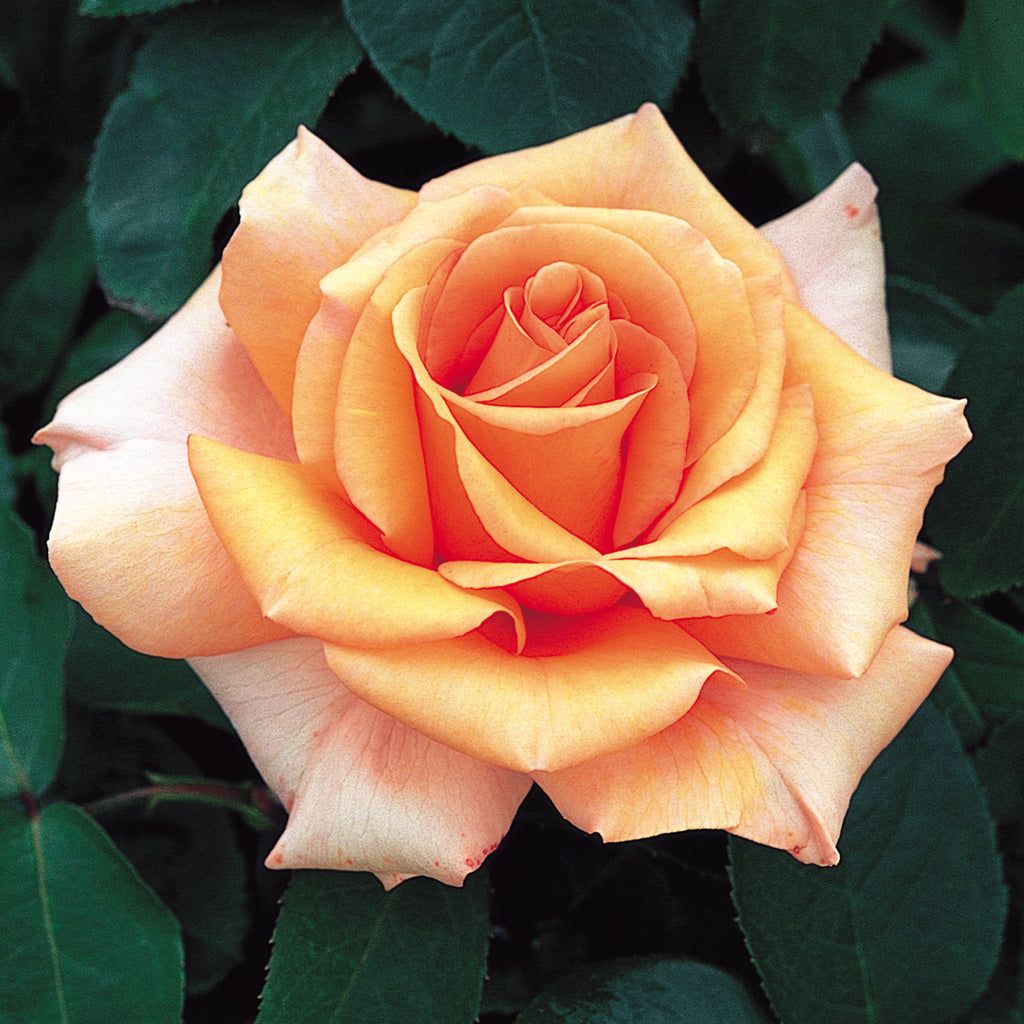
Hybrid tea roses are a horticultural class of roses widely grown for large, often high-centered flowers produced on long stems.
A useful way to understand this topic is to separate the underlying idea from a worked example and from the limits of the explanation. Botanists use diagnostic traits, habitat, evolutionary relationships, and scientific names to distinguish plants. A common name may cover several species or cultivated varieties.
How it works
Selective breeding has combined flower form, scent, color, and repeat blooming, although individual cultivars differ widely.
The mechanism matters because it explains the observation rather than just naming it. The pattern becomes clearer when the structures, context, and evidence are considered together.
An example in context
They are common in cut-flower displays and formal rose gardens, where plant health depends on local climate and care.
This example is best treated as a specific case, not an all-purpose rule. Consider which features are broadly shared and which depend on species, historical setting, or individual circumstances.
What the term should not be confused with
A hybrid tea is a cultivated rose class, not a single wild species; floribunda and shrub roses are different horticultural categories.
These boundaries help keep this page focused. Related subjects may overlap, but a shared word or superficially similar appearance is not sufficient evidence that two concepts are equivalent.
Why the distinction matters
Careful identification combines leaves, reproductive structures, growth form, and regional floras. Modern taxonomy also uses genetic evidence and curated databases.
For readers, the practical lesson is to ask what is directly observable, what is inferred from a model, and which further evidence would help separate competing explanations. In this topic, the example above illustrates why that difference can matter.
Common mistakes and limitations
Disease resistance, fragrance, and hardiness should not be assumed from the class name alone.
Ornamental uses and traditional claims should be kept apart from medically validated effects or safety advice. Plant products are not interchangeable simply because they share a name.
Frequently asked questions
What is Hybrid tea rose? Hybrid tea roses are a horticultural class of roses widely grown for large, often high-centered flowers produced on long stems.
What is a clear example? They are common in cut-flower displays and formal rose gardens, where plant health depends on local climate and care.
What is a common misconception? A hybrid tea is a cultivated rose class, not a single wild species; floribunda and shrub roses are different horticultural categories.
Continue exploring
Understanding Plants — a broader topic overview.
Elodea — a focused explanation of a related concept.
