Can Rabbits Eat Carrots? Serving and Sugar Limits
Can rabbits eat carrots? Learn why carrot roots are treats, how tops differ and what safer daily greens look like.
Can Rabbits Eat Carrots? Serving and Sugar Limits
Yes, carrots can be offered as an occasional small treat, not as a rabbit’s main meal. For adult pet rabbits, carrots should be considered within a diet based on unlimited grass hay, fresh water, appropriate leafy greens, and measured plain pellets. A rabbit's size, age, medical history, and digestive tolerance matter more than a viral list promising one perfect serving size. This guide answers the food-specific question without turning a single treat into a full feeding plan.
Can rabbits eat carrots? What matters
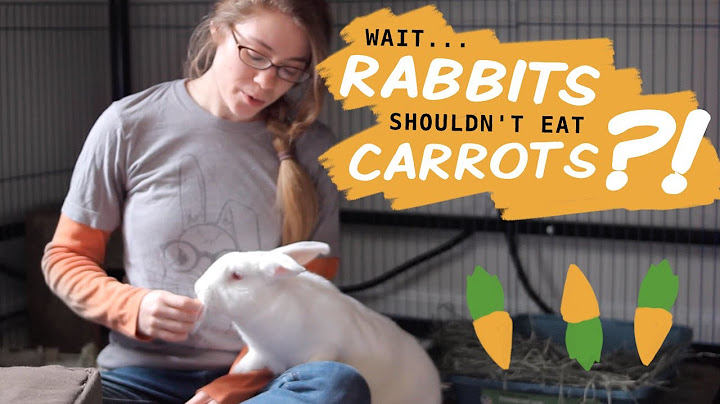
Carrots have a permanent place in cartoon rabbit meals, but that image misrepresents nutrition. The root is a comparatively sugary vegetable, while rabbits require a fiber-heavy diet and long periods of hay chewing. A healthy adult rabbit may enjoy a small clean piece now and then, but frequent large servings can displace more useful forage. If your rabbit is already getting fruit treats, adding carrots on the same day can increase the overall sweet-food load. Count sweet vegetables as treats rather than routine greens.
Which parts are suitable—and which are not?
The orange carrot root and the leafy carrot tops should not be treated as identical foods. Clean, fresh carrot tops can be included among a varied selection of appropriate leafy greens, while the root remains a treat. Remove any rotten, moldy, or chemically treated portions. Do not feed carrot cake, sweetened baby food, canned carrots with salt, or products seasoned for people. If buying carrot greens, inspect them for pesticides or spoilage and rinse them just as carefully as you would rinse other produce.
How to prepare and introduce it
Wash the root, cut a small piece that your rabbit can chew comfortably, and serve it plain. Introduce it only when your rabbit is otherwise well and accustomed to stable meals. Never use a large carrot to lure a rabbit into eating when it is refusing hay or passing few droppings; that may hide a serious problem. Remove uneaten pieces before they become dirty. A brief taste is enough to learn whether your rabbit likes the flavor; there is no nutritional need to keep increasing portions.
Portions, frequency, and the role of hay
Treat frequency matters more than finding a magical 'safe carrot size.' An adult rabbit's body weight, activity, dental health, and other treats all influence how much is sensible. Grass hay remains freely available, and washed leafy greens remain the main fresh-food category. If your rabbit is overweight or has a condition requiring dietary adjustment, use your veterinarian's individualized recommendations. Avoid rewarding every training session with sugary foods; enrichment can also involve hiding hay or encouraging safe foraging without a sweet reward.
Warning signs and when to contact a veterinarian
Soft stools, reduced appetite, abnormal droppings, or a rabbit sitting hunched after a food change are reasons to stop experimenting and contact a rabbit-experienced veterinarian. Rabbits can become seriously ill when they stop eating, and trying to solve the problem with more carrot is inappropriate. If a rabbit tends to gulp chunks, prepare produce in smaller pieces and supervise meals. Any suspected exposure to spoiled food should also be taken seriously.
Better alternatives and practical feeding decisions
For regular feeding, prioritize grass hay and suitable leafy greens such as washed romaine, cilantro, or basil. For variety, use a small range of familiar safe vegetables introduced gradually. Carrot tops may fit into green rotation where available and clean, but new foods should not all be introduced on the same day. If you need a complete meal plan, read the dedicated rabbit feeding article rather than using carrots as the reference point.
Key takeaway
Carrot can stay a treat rather than becoming a meal. The important daily measure is whether your rabbit continues to graze on hay and maintains healthy droppings.
Frequently asked questions
Can rabbits eat raw carrot?
Yes, a little plain washed raw carrot can be an occasional treat for a healthy adult rabbit.
Are carrot tops safe for rabbits?
Clean fresh carrot greens can be part of a varied leafy-green selection.
Can rabbits eat carrots every day?
The sugary root is better treated as an occasional treat, not a daily staple.
Are cooked carrots better?
No cooking is necessary; avoid salt, butter, or other seasonings.
What if my rabbit will eat carrots but not hay?
Contact a rabbit-experienced veterinarian, because dental or digestive problems may explain the refusal.