What Do Rabbits Eat? A Practical Feeding Guide
What do rabbits eat? Understand the role of hay, fresh greens and pellets, and learn which foods should be only occasional treats.
What Do Rabbits Eat? A Practical Feeding Guide
For an adult pet rabbit, the simple answer is unlimited good-quality grass hay and fresh water, plus a varied selection of suitable leafy greens and a measured amount of plain rabbit pellets. Fruit and sweet vegetables are treats, not dietary staples. Young, pregnant, nursing, or medically fragile rabbits may need a different plan; ask a rabbit-experienced veterinarian before changing those diets.
Start with the food rabbits are built to eat
Timothy, orchard, meadow, and other clean grass hays provide the abrasive fiber needed for normal chewing and gut movement. Keep hay available around the clock, replacing damp or stale strands. A rabbit should never have to choose between finishing its hay and accessing food later. Adult rabbits generally do not need a bowl piled high with alfalfa hay because its nutritional profile is richer. Grass hay is not an optional snack added to pellets; it is the center of the routine and an important form of foraging enrichment.
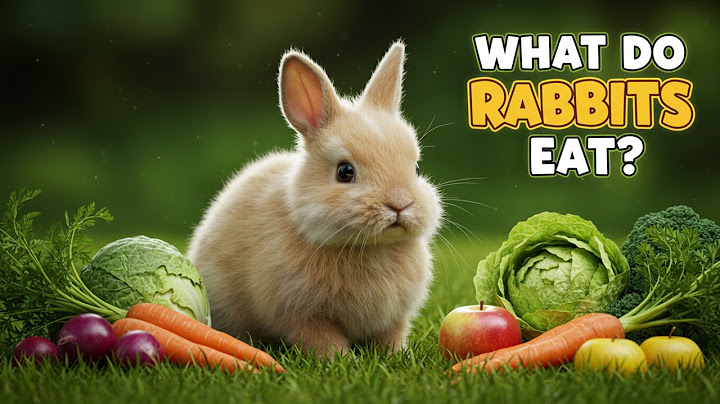
Fresh greens and pellets have different jobs
Washed leafy greens such as romaine, cilantro, basil, and selected other rabbit-safe plants add variety and moisture. Rotate types rather than relying on a single leaf. Introduce one unfamiliar green at a time and check appetite and droppings afterward. Choose plain, high-fiber pellets without colorful cereal pieces, seeds, or sweet toppings. Pellet quantities depend on body weight, age, health, and the rest of the diet; more pellets are not automatically better. If you are unsure how much to provide, ask a rabbit-experienced veterinarian to tailor the plan.
Treats, fruit, and the carrot myth
Carrots may be iconic in cartoons, but carrot roots contain more sugar than everyday leafy foods and belong in the occasional-treat category. The same applies to apples, berries, bananas, and other fruits. Treat portions should be small relative to hay and greens and should not displace ordinary meals. Never compensate for a rabbit that refuses hay by filling the bowl with sweets. If hay consumption drops, investigate dental pain, stress, poor hay quality, and other possible causes with a veterinarian.
Introduce any change gradually
A rabbit's digestion depends on stable, fiber-rich feeding. When adding a new vegetable, wash it, serve a small amount, and keep everything else familiar. Watch for loose stools, reduced appetite, or unusual droppings. If a food appears to cause discomfort, stop offering it and consult a veterinarian rather than experimenting with multiple new items at once. Avoid onions, garlic, potatoes, bread, chocolate, cereals, and random garden plants. Lawn mower clippings also pose a risk because they deteriorate rapidly; fresh, suitable grazing grass is not the same thing.
A practical feeding routine
In the morning, refresh water and hay before putting out a mix of familiar washed greens. Offer any appropriate measured pellets as part of the day's feeding rather than leaving unlimited quantities. Repeat hay and water checks later and remove spoiled produce promptly. Weigh your rabbit periodically with veterinary guidance, especially if it is young or aging. The right plan produces a stable appetite, regular droppings, and a healthy body condition. For a food-by-food decision, use the dedicated guides rather than assuming every vegetable is interchangeable.
Key takeaway
An appealing meal is not necessarily a balanced one. Measure success by consistent hay consumption, normal droppings, healthy body condition, and a feeding routine that remains steady over time.
Frequently asked questions
Should rabbits eat mostly pellets?
No. Adult pet rabbits rely primarily on unlimited grass hay; pellets are a measured addition.
Can rabbits eat vegetables every day?
Appropriate washed leafy greens can be part of the daily diet; introduce unfamiliar types slowly.
How often can rabbits eat fruit?
Fruit is an occasional small treat, not a replacement for hay, greens, or water.
Is alfalfa hay right for adult rabbits?
Grass hay is usually preferred for healthy adults; younger or special-needs rabbits may have different veterinary recommendations.
What if my rabbit suddenly stops eating?
Contact a rabbit-experienced veterinarian urgently. Appetite loss can signal a serious dental or digestive problem.
Related rabbit care guides
What Vegetables Can Rabbits Eat? Greens and Cautions