Cat Cave Beds: Cozy Hideaways and How to Choose One
Choose cat cave bed with practical size, comfort, safety and maintenance checks. Compare options and avoid common mistakes before buying.
Cat Cave Beds: Cozy Hideaways and How to Choose One
Quick answer. A cat cave bed offers a partially enclosed resting space for cats that prefer privacy or a sheltered nap. The right design has enough internal room to turn comfortably, an entrance that is easy to use, good airflow and materials that can be cleaned. A snug-looking photo is not enough to judge fit: compare inside diameter, doorway size and wall flexibility. Some cats love enclosure while others prefer an open mat; individual behavior is the best guide.
Why enclosed beds appeal to some cats
Cats often choose sheltered spaces for resting because walls reduce visual disturbance and allow them to watch an entrance. A cave may be especially appealing in a busy household, provided it is placed somewhere the cat can leave without being cornered. Not every cat likes being enclosed, and one that avoids the cave is not necessarily anxious or stubborn.
Watch whether the cat already naps in boxes, behind cushions or beneath furniture. Those preferences suggest whether a hooded bed merits trying. A cave is a resting option, not a substitute for other hiding places or environmental enrichment.
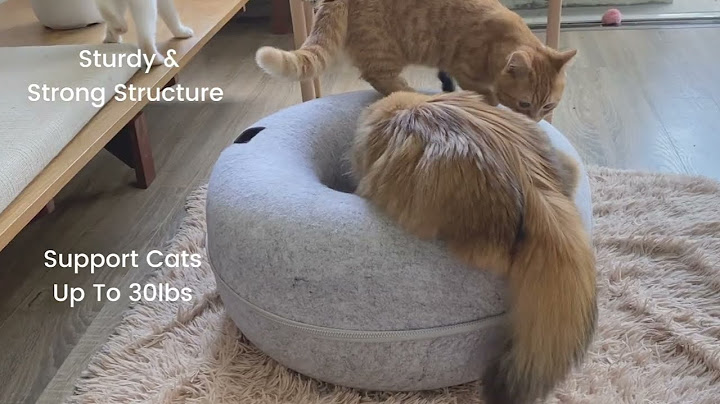
Cave, tent and flat bed compared
A structured felt cave holds its shape and may provide a firm rim; a fabric tent can be lighter, washable or collapsible. An open-sided hooded bed gives some cover without surrounding the cat completely. A flat bed has the simplest entrance and often better access for aging or mobility-sensitive cats. Choose the level of enclosure based on the animal's comfort and your ability to clean the product.
If the cat startles when fabric moves around its head, a floppy hood may be less inviting than a stable opening. Consider offering an open bed as an alternative rather than insisting one style must work.
Measure the doorway and interior separately
For the entrance, check that the cat's shoulders and whiskers can pass without compression or repeated rubbing. For the interior, use the relaxed curled resting posture plus some turning room. Manufacturer sizes may be given as the exterior height or width, which can conceal thick felt walls and a much smaller usable floor. The cave should not trap the cat in an awkward crouch.
Check whether the doorway collapses when the animal steps through it and whether the base tips when weight shifts to one edge. For large cats, the inner usable area is especially important.
Felt and washable textiles have different needs
Wool felt can hold a sculptural shape and may be spot-clean only; synthetic or cotton fabric caves sometimes have removable cushions or machine-washable covers. Check the actual care label before purchasing. Pet hair can accumulate around the entrance lip and inner seams, and thick fabric may retain moisture if it is soaked and not dried thoroughly. Do not use strong fragrances to make the cave smell 'fresh' to a cat.
Spot-clean gently where allowed and ensure the interior is completely dry before use. Replace any item with exposed stuffing, fraying fibers or detachable decorations a cat may chew.
Ventilation and warmth
An enclosed bed can feel warmer than an open mat, particularly when placed near a heater or in strong sunshine. Observe whether the cat moves out when warm and provide a cooler, open resting spot nearby. Do not place a fabric cave directly against a heat source or under an unstable lamp. A cave should have a generous doorway and breathable construction, not a sealed compartment.
Cats differ in temperature preference throughout the year. In hot conditions, adequate drinking water, shade and a well-ventilated room matter more than a cozy hooded bed.
Placement in multi-cat homes
Put the cave where entrances are visible and the resident cat can reach it without crossing a rival cat's favorite route. In a multi-cat home, one desirable enclosed bed may become a resource that is guarded. Offer several beds in separate quiet areas, including at least one open resting option. Avoid trapping a cat at the back of a narrow hallway or beneath a heavy object that could shift.
If the cat prefers height, choose a stable piece of furniture that supports the entire bed rather than balancing a soft cave on a narrow shelf. Never place a cave where falling is possible.
Introduction without forcing it
Leave the cave accessible and let the cat discover it. A familiar washable blanket may make the new interior smell less unfamiliar, but do not cram the entrance full of bedding. Place a treat near the door rather than far inside if the cat seems cautious. Avoid pushing the cat through an unfamiliar opening.
If the cave is ignored, test a quieter location, remove a noisy tag or offer the alternative open bed instead. Some cats use a cave only during cold weather or when visitors arrive; occasional use can still make it useful.
Routine care and limitations
Vacuum or remove loose hair frequently, inspect the seam and doorway for wear, and clean any soiling promptly according to the care label. Thick felt can lose structure with repeated machine washing when that method is not approved. A cave does not replace veterinary care for a cat suddenly hiding more than usual, refusing food or showing discomfort. Changes in hiding behavior may signal stress or illness.
Use the product as one component of a comfortable environment, not as a treatment for behavioral or medical problems.
At-a-glance comparison
| Bed type | Best fit | Limitation |
| Rigid felt cave | Cats that like a stable enclosed shape | Often spot-clean only |
| Fabric tent | Lightweight removable sleep spot | May fold or collapse |
| Hooded open bed | Some shelter, easier entry | Less privacy |
| Flat mat | Sprawlers and easy access | No side enclosure |
Before you decide: practical checklist
Observe the cat’s actual rest, jump or scratching habit instead of choosing by a styled photograph.
Confirm exact usable dimensions, mounting or frame stability, and the manufacturer’s stated limitations.
Check seams, loose parts, chewable components and whether all accessible surfaces can be cleaned.
Choose a location with safe access, a clear exit and enough space to inspect the product regularly.
Keep an alternative resting or scratching option available; do not force a cat to use the new item.
Frequently asked questions
Do all cats like cave beds?
No. Some seek enclosed spaces while others prefer open beds, wide views or elevated perches.
How big should a cat cave be?
The doorway should admit the shoulders comfortably and the interior should allow a relaxed curl plus space to turn.
Are felt cat caves washable?
It depends on the product. Some are spot-clean only, so check the care label before purchasing.
Where should I put a cat cave?
Choose a quiet, stable place with a clear exit and access to other resting options.
Can a cave bed make a cat too hot?
It can feel warm in direct sun or near a heater. Provide ventilation and a cooler alternative and observe the cat's comfort.
Related guides
Cat Sofa Buying Guide — Mini Couches, Sizing and Comfort
Elevated Cat Beds — Choosing a Stable Raised Resting Spot
Large Cat Beds — Dimensions, Support and Easy Entry
Editorial notes and limitations
Scope of this guide: Enclosed, felt and textile cave beds for privacy, entrances, warmth, sizing and easy cleaning. This article intentionally does not try to become a substitute for the separate guides covering open miniature cat sofas, wall perches, cold mats, multi-level cat houses. Recommendations are based on product features and cat-care principles, not claimed first-hand testing, paid rankings, or an assumption that every cat has the same preferences. Check current product instructions and consult a veterinarian for persistent behavior changes, suspected pain or urgent health symptoms.