Large Cat Beds: Dimensions, Support and Easy Entry
Choose large cat bed with practical size, comfort, safety and maintenance checks. Compare options and avoid common mistakes before buying.
Large Cat Beds: Dimensions, Support and Easy Entry
Quick answer. The most useful feature of a large cat bed is usable room to sleep, not a label promising it fits a particular breed. A big cat may curl into a compact ball one day and stretch across the floor the next. Measure your own cat, check the inner sleeping surface and look at how the sides compress when weight is added. Support, entry height and easy washing matter just as much as the bed's impressive outside dimensions.
Measure your cat in real resting positions
Observe a relaxed curled nap and a longer side stretch, then use those lengths to shortlist bed dimensions. Measuring a rigidly standing cat can underestimate the space needed for comfortable turning or fully extended paws. Leave allowance for a favorite blanket and a change of position. If the cat tends to lean its head on a raised edge, the bolster must leave enough usable central space.
For a cat that sprawls across an entire sofa cushion, an open flat mat may be a better fit than a deeply walled donut bed.
Interior versus exterior dimensions
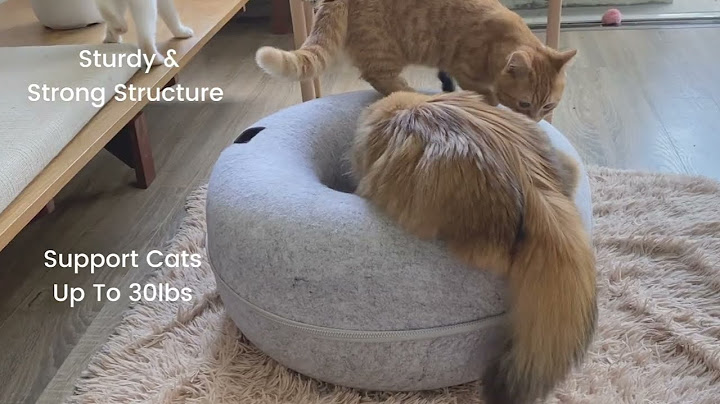
A thick bolster can consume a surprising amount of the advertised width. A 30-inch exterior oval does not imply a 30-inch flat sleeping area, especially when the walls are stuffed heavily. Request the diameter or rectangular dimensions of the clear central pad. Consider the shape as well as area: long cats may prefer a rectangle; tightly curled sleepers may enjoy a round bed.
If the interior measurements are not published, ask for a photo of a tape measure placed across the inside floor rather than relying on an image with a breed name.
Weight rating and structural support
Some pet beds have no meaningful weight rating because they sit on the floor, but raised or framed beds should specify an appropriate load capacity. Evaluate whether the base bows or the center of the cushion collapses when your cat lies down. A very soft bed may feel plush but can create a difficult exit for a cat with reduced mobility.
A firmer pad beneath a soft washable cover can provide a more level surface. Avoid claiming a bed is orthopedic without clear design evidence or veterinary relevance. The purpose is everyday restful support, not treatment of joint disease.
Entry height for big and older cats
Large cats may carry more weight than small cats, but body size alone does not tell you whether jumping is comfortable. Check the actual lip height and whether a cat can step in rather than climb over a tall padded wall. A low, open side can be particularly useful for a cat recovering from a health problem, but any limitations should be discussed with a veterinarian.
Place the bed on a stable, non-slip floor. If the bedding slides during entry, add an appropriate non-slip mat underneath rather than making the entry more complicated.
Sofa, donut and flat bed tradeoffs
A cat sofa provides a straight back to lean against and can look attractive in a living room. A donut or bolster bed creates a curved perimeter that some cats find comforting but can crowd a large body. A flat orthopedic-style pad makes turning and full stretching simpler but provides less head support. Observe the cat's sleeping pattern for several nights to learn which function is likely to matter.
No bed shape suits every cat equally. The mini cat sofa article covers furniture-shaped pet beds in greater depth; here the emphasis remains on sizing.
Multi-cat households are a different sizing problem
Two cats that occasionally cuddle should not be assumed to share a single bed safely or happily all the time. One may want private space, or the larger cat may take most of the cushion. Offer separate places to rest, ideally in different parts of the room, and treat sharing as their choice.
If buying a bed for bonded cats, measure the actual combined resting footprint when they voluntarily nap together, not their total body weight alone. Even a large shared bed should have unobstructed exits so one cat cannot trap the other.
Fabric, cleaning and odors
Look for a removable cover large enough to handle in your washing machine and a liner that protects inner fill from minor accidents. Review the washing instructions on the particular item; a cover being machine-washable does not mean the cushion core is. Thick fiberfill can take a long time to dry, and damp material can develop an unpleasant odor. Vacuum fur from seams and bolsters routinely.
Replace bedding with loose foam, exposed zippers or shredded seams if your cat chews or pulls at them. A simple design that is easy to clean may last longer in daily use than an elaborate tufted bed.
A practical size-first buying test
Compare each candidate using interior width, interior length, entry height, cushion stability and washable components. Then consider price and design. If the manufacturer's photos show a large cat pressed into the side walls without room to turn, the size claim may not fit your needs. Measure the floor location too; an oversized bed that blocks a walkway can create hazards.
The best large cat bed is wide enough for natural movement, secure enough to stay in place and easy enough to maintain that it remains in regular use.
At-a-glance comparison
| Measurement | Why it matters | Common mistake |
| Interior width | Turning while curled | Using outside width |
| Interior length | Full-body stretch | Trusting breed photo |
| Entry height | Comfortable access | Ignoring tall bolster |
| Support | Level sleeping surface | Choosing by softness only |
| Cover size | Routine laundering | Assuming whole bed washable |
Before you decide: practical checklist
Observe the cat’s actual rest, jump or scratching habit instead of choosing by a styled photograph.
Confirm exact usable dimensions, mounting or frame stability, and the manufacturer’s stated limitations.
Check seams, loose parts, chewable components and whether all accessible surfaces can be cleaned.
Choose a location with safe access, a clear exit and enough space to inspect the product regularly.
Keep an alternative resting or scratching option available; do not force a cat to use the new item.
Frequently asked questions
What bed size is right for a large cat?
Measure your cat in its natural relaxed sleeping positions and compare with interior—not exterior—dimensions.
Are dog beds suitable for big cats?
Sometimes. A low-entry washable dog mat can work if its materials and dimensions suit the cat.
Does a large cat need an orthopedic bed?
Not automatically. Choose comfortable support; consult a veterinarian if mobility or joint pain is suspected.
Can two cats share one large bed?
They may choose to, but provide separate resting spots as well so neither cat must share.
Is a large cat sofa better than a donut bed?
It depends on whether your cat prefers stretching, leaning on a straight edge or curling against a raised ring.
Related guides
Cat Sofa Buying Guide — Mini Couches, Sizing and Comfort
Elevated Cat Beds — Choosing a Stable Raised Resting Spot
Cat Cave Beds — Cozy Hideaways and How to Choose One
Editorial notes and limitations
Scope of this guide: Size-first advice for larger cats: usable sleep surface, edge clearance, washable design, solid supports and entry heights. This article intentionally does not try to become a substitute for the separate guides covering large cat condos or trees, specific pet-friendly human sofas. Recommendations are based on product features and cat-care principles, not claimed first-hand testing, paid rankings, or an assumption that every cat has the same preferences. Check current product instructions and consult a veterinarian for persistent behavior changes, suspected pain or urgent health symptoms.