Cat Lick Mats: Choosing One and Using It Safely
Discover whether a lick mat suits your cat, how to spread suitable wet food, clean the mat, and monitor portion size and chewing behavior.
Cat Lick Mats: Choosing One and Using It Safely
A cat lick mat is a shallow textured feeding surface that holds a small amount of wet food where a cat can lick it from grooves. It can turn part of an ordinary meal into a different food-search experience without requiring a complicated puzzle. It is optional enrichment, not a medical device and not a replacement for a complete, balanced cat diet.
The easiest way to get started is with a clean, low-profile mat and a little of your cat's usual canned food. Cat lick mats should be evaluated for feline comfort, easy cleanup, appropriate portions, and the individual's willingness to participate. A cat that prefers its regular dish is not failing at enrichment.
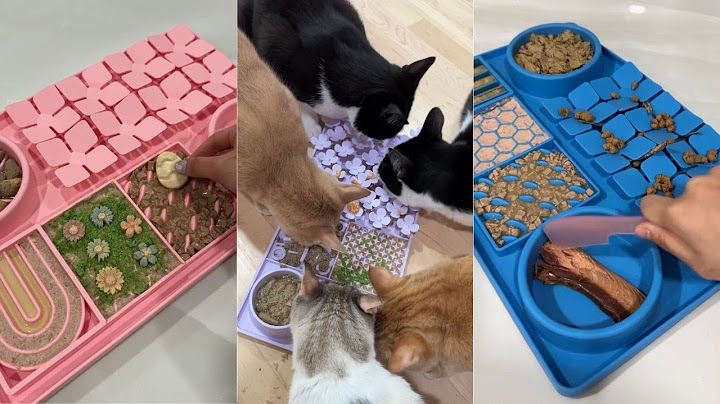
How a cat lick mat differs from a dog lick mat
Cats commonly take small mouthfuls and may prefer a quiet, predictable feeding place. A shallow mat puts food across a broad surface, so a cat can return to several small patches. It is not necessary to choose an elaborate deep-groove pattern, especially for an older cat, a kitten, or a cat that becomes frustrated when food is difficult to reach.
Dog lick mats and cat lick mats can look similar, but their food suggestions should not be copied automatically. A cat's nutritional needs, appetite, medical diet, and tolerance of human foods differ from those of a dog. The mat is a food-delivery accessory; the food itself must still be appropriate for the species. For a broader overview of canine use, see our separate dog lick mat guide.
Choose a mat your cat can use comfortably
Look for a stable mat that will not slide as the cat licks. A shallow grid or spaced ridges often makes a good first trial. Deep pockets can be difficult for cats to empty and may collect residue during washing. The mat should fit on a flat surface with enough room that the cat can stand or sit naturally instead of bending around a bulky tray.
Read the specific product's materials and washing instructions. 'Food-safe' marketing copy alone does not explain whether the mat tolerates high heat, a dishwasher, or freezing. A model with removable parts may offer flexibility but also creates more seams to check and wash. Avoid damaged products, loose edges, or surfaces the cat tries to chew.
Place the mat away from the litter box, noisy appliances, and a hallway where people repeatedly walk past. For multi-cat homes, separate stations are often more comfortable than asking cats to share one new food item. Watch for staring, blocking access, or guarding, and give each cat the option to walk away.
Use the cat's usual wet food first
A few small smears of the cat's normal wet food work well for a first session. If the food is part of a prescribed diet, use that food as directed and check with the veterinarian before introducing any toppings. Divide an already measured meal into a small portion for the mat and the remainder for the regular dish. That way the mat does not secretly become a new daily source of extra calories.
If your cat eats mostly dry food, you can ask your veterinarian whether a little of an appropriate wet food fits its diet, but do not make abrupt changes for the sake of a toy. Cats can have digestive sensitivities, food allergies, and individual texture preferences. Avoid unbalanced homemade mixtures, heavily seasoned foods, garlic, onion, and raw animal products. Plain pet-appropriate food is generally easier to evaluate than a long social-media 'recipe.'
There is no fixed serving size for every cat. A kitten, a senior, and an adult cat with obesity or a chronic condition may have very different food plans. The safe portion is the amount that fits the cat's established diet, not the quantity needed to fill the entire mat.
Introduce the mat without pressure
Wash and dry the new mat before the first use and place it at the cat's usual comfortable feeding height.
Add a small dab of familiar food near the easiest-to-reach edge or center, leaving most of the surface empty.
Let the cat investigate. Some will lick immediately; others sniff, watch, or walk away. Do not hold the cat at the mat.
If the cat licks comfortably, offer the rest of that measured small portion. If it seems frustrated, choose a shallower pattern or return to a regular dish.
Remove the mat after the food is finished, clean it, and end the activity. Next time, repeat the successful simple setup before changing the texture.
Watch whether the cat is using its tongue or chewing on the textured material. Biting, eating small pieces, hiding from other cats, or refusing familiar food are reasons to stop and reassess. A cat that is not eating normally needs attention to the appetite problem, not a harder puzzle.
When a lick mat can be useful—and when it cannot
A mat may add modest variety to meals for an indoor cat, provide a way to spread a portion of wet food, or support a predictable routine during low-stress activities. It can be one enrichment option alongside play, appropriate scratching areas, climbing opportunities, and food puzzles. Its benefit should be judged by the cat's behavior rather than promises that repetitive licking releases a specific hormone or treats anxiety.
Do not rely on a lick mat if a cat has dental pain, difficulty swallowing, nausea, sustained loss of appetite, repeated vomiting, or an unexplained change in eating behavior. Those signs warrant veterinary advice. Likewise, if the cat is on a therapeutic diet, ask the veterinarian before making substitutions or adding treats.
Keep feeding and cleaning separate
Wet food sticks inside small grooves, particularly around raised dots and corners. After each session, remove leftovers promptly, rinse the mat, wash it with warm soapy water or the maker-approved dishwasher setting, rinse again, and dry it fully. Inspect the back and any suction cups. If you cannot clean the pattern adequately, a simpler design is a better choice.
Never leave wet food on a mat for hours so the cat can 'come back to it' later. Follow the food label for handling and storage, refrigerate unused opened food promptly, and use clean utensils. Store the mat dry and separate from dirty play items. The routine should be as straightforward as washing a regular food dish.
Simple evaluation checklist
Before choosing a mat, ask: Can this cat access the grooves without struggling? Will the mat remain stable? Is its material intact? Can the texture be washed thoroughly after wet food? Does the food portion fit the cat's diet? Can the cat eat privately if there are other pets? If any answer is no, select a simpler product or skip the mat entirely. The most practical design is one that the cat willingly uses and the owner can reliably clean.
Frequently asked questions
Are lick mats safe for cats?
They can be appropriate when the mat is intact, the food is suitable for cats, and the activity is supervised. Remove the product if the cat chews it, pulls off pieces, or seems distressed by the feeding arrangement.
What should I spread on a cat lick mat?
A small measured portion of the cat's usual complete wet food is a sensible starting point. Extra ingredients must fit the cat's diet and medical needs; there is no reason to add human-food toppings just to make the mat interesting.
Can a cat use a dog lick mat?
Sometimes, provided the material and texture are safe, shallow enough for the cat, and easy to wash. The feeding approach still needs to be designed for the cat, not copied from dog snack suggestions.
Do cat lick mats help with anxiety?
A lick mat may be one enjoyable activity for some cats, but it is not a demonstrated treatment for anxiety. Persistent hiding, aggression, overgrooming, or distress should be discussed with a veterinarian or qualified behavior professional.
Should I replace a cat's normal bowl with a lick mat?
Not necessarily. A mat can deliver a small part of a meal, while an ordinary bowl remains a simple choice for regular feeding. If using the mat makes the cat eat less or creates competition, return to the feeding setup that works.