Dog Lick Mats: How They Work, What to Use, and Safety
Learn how dog lick mats work, what foods are safe to spread on them, how to choose a design, and when supervision or a different feeder matters.
Dog Lick Mats: How They Work, What to Use, and Safety
A dog lick mat is a textured feeding surface that holds a thin layer of soft food between raised ridges or grooves. Instead of swallowing a treat from a bowl in one or two bites, the dog has to work food out of the pattern with its tongue. For many households, that makes a lick mat a practical, low-effort enrichment option. It is not an anxiety treatment, an essential piece of equipment, or a substitute for a dog’s regular meals, exercise, and veterinary care.
The best dog lick mat is not necessarily the one with the deepest pattern or the biggest marketing claim. Look for a size that fits your dog, material and cleaning instructions you can verify, a stable surface, and a feeding routine you can supervise. If your dog chews or tears soft products, a different food puzzle may be a safer option.
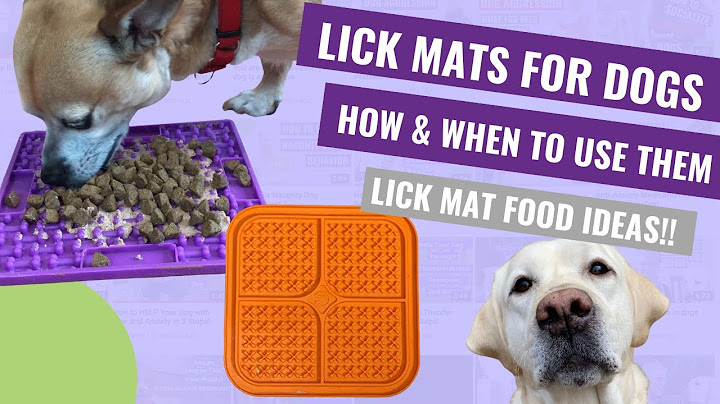
What a dog lick mat actually does
A typical mat is flat and flexible, with a patterned face that traps small portions of moist food. Designs include shallow grids, raised dots, wave-like grooves, and deeper pockets. A thin smear of wet dog food is often enough to make a short activity. The dog can lick without needing to chase or flip the mat, which can be useful for pets that do not enjoy highly active puzzle toys.
The activity is food enrichment: it introduces a different way to access part of a dog's normal diet or a planned treat. Some dogs appear engaged by the task; others finish quickly or ignore it. There is no reason to assume that every dog will find licking calming, and persistent distress, fear, or separation-related problems need individual advice rather than a toy-based cure.
Lick mats are sometimes offered during grooming or another brief handling task, but they should not be used to force an uncomfortable dog to endure a procedure. Stop if the dog becomes tense, guards the food, or tries to bite the mat instead of licking it.
How to choose the texture, size, and base
Start with a surface that is easy to rinse. Fine, closely packed grooves may retain soft foods longer but can be harder to clean; broad shallow ridges tend to be simpler for beginners. Deeper cavities may suit thick foods, provided the dog can remove the food comfortably. A texture that works for a large dog can be awkward for a very small dog, so judge fit rather than assuming a single pattern is universal.
Material matters. Products may be made from silicone, thermoplastic rubber, or other food-contact materials, and the cleaning and freezer instructions vary by model. Check the maker's directions for the exact product instead of assuming every flexible mat is dishwasher safe. Replace a mat if it has tears, loose sections, sharp damage, or a lingering odor after thorough cleaning.
A non-slip base helps keep the mat in one place. Suction cups can be useful on a smooth, clean surface, but they are not a safety guarantee and may fail on textured floors or walls. A raised tray or holder may reduce movement for some dogs; it does not turn a mat into a chew-proof product. Choose a usable surface area rather than selecting a very large mat simply to add more food.
Introduce a lick mat in five short steps
Begin on the floor in a quiet area with the dog nearby, and place only a small smear of familiar wet dog food in the center.
Let the dog investigate voluntarily. Do not press its nose into the grooves or leave the mat alone with a dog that has never used one.
Watch whether the dog licks, paws, carries, or chews the product. If chewing starts, remove the mat and offer a more appropriate feeding activity.
End while the experience is still easy and pleasant. Scrape or discard leftovers, then wash the mat and dry it completely.
On later sessions, change one variable at a time—pattern, amount, or food texture—rather than making the activity much harder all at once.
A short initial session tells you more than a product description. A dog that starts biting at an empty mat may simply need the mat removed sooner. Multi-dog households may need separate spaces because special food items can trigger competition or guarding.
What can you safely put on a dog lick mat?
A measured portion of the dog's normal canned or softened complete food is a reliable starting point: it preserves familiarity and can be deducted from the meal instead of added as an extra snack. You can also consider a small amount of plain, dog-appropriate food previously tolerated by that individual dog. Foods must fit the pet's medical needs, allergies, and feeding plan; new ingredients can cause stomach upset even when they are not toxic.
Peanut butter is popular, but never assume it is safe without reading the ingredients. Some nut butters contain xylitol, an artificial sweetener that can be life-threatening for dogs. Xylitol may also be labeled with terms such as birch sugar. If you suspect ingestion, seek urgent veterinary or animal poison-control help rather than waiting for symptoms. Avoid chocolate, grapes or raisins, onions, and products with poorly understood ingredients. A lick mat is not a suitable place to test a human snack just because it spreads well.
The layer should be thin enough for the dog to access with its tongue. You do not need to cover every groove or stack on several toppings. Estimate extras as part of the day's food intake; a dog on a weight-management, elimination, or prescription diet should have its lick-mat plan reviewed by the veterinarian.
Frozen versus unfrozen fillings
A room-temperature smear is easy to introduce and lets you observe the dog's natural approach. Chilling or freezing a product can change its texture and may extend the activity, but only freeze a mat if its manufacturer says that model is freezer safe. Start with a small amount and monitor for frustration. A frozen slab that encourages prolonged hard chewing, especially in a dog with dental trouble, is not a good enrichment choice.
Do not leave meat-based or wet-food fillings sitting out for long periods. Prepare food with clean hands and utensils, refrigerate per the food label, and discard uneaten portions promptly. If your dog needs food to be softened because of dental disease or another health condition, ask the treating veterinarian about suitable temperature and consistency.
Cleaning and storage after every session
Treat the lick mat as food-contact equipment, not a toy that can go back into a basket with food residue on it. Rinse away visible food, wash with warm soapy water or use the maker-approved dishwasher method, pay attention to corners and grooves, rinse thoroughly, and allow the mat to dry fully before storing it. Inspect the underside and suction cups too. Use an appropriate brush only if the model's surface tolerates it.
Do not assume a dishwasher-safe label applies to a different product in the same brand family. If residue cannot be removed or the material starts splitting, retire the mat. Keeping two mats does not help if both are stored damp or reused without washing.
Lick mat, lick ball, or snuffle mat?
A flat mat stays relatively stationary and is best suited to spreadable food. A rotating dog lick ball offers a different interaction: the dog may turn a ball or access a rounded treat holder, and the moving pieces can make cleaning more involved. A snuffle mat is primarily about searching for dry pieces with the nose, not licking puree from grooves. These tools solve different enrichment tasks; none is universally better.
Cats need a different food and feeding approach. Our separate guide to cat lick mats focuses on feline wet-food portions and introductions, rather than assuming dog-safe toppings are suitable for cats.
Safety checklist before you put the mat down
Confirm that the mat is intact, clean, stable, and compatible with the food you plan to use. Read human-food ingredient labels every time, especially nut butter. Use a portion you have already accounted for, supervise the dog, and take the mat away when eating ends. Stop if you see chewing, torn fragments, frantic food guarding, vomiting, or an unusual reaction. A lick mat can be a useful part of daily enrichment, but it should remain an optional tool that fits the individual dog.
Frequently asked questions
Are lick mats actually good for dogs?
They can add variety to food presentation and give a dog a focused activity. Whether the dog enjoys it depends on temperament, food motivation, physical ability, and the setting. A mat is enrichment, not proof of better mental health or a cure for anxiety.
How often can I use a dog lick mat?
Frequency depends on what you put on it and how it fits the daily feeding plan. If you use measured normal food, repeat sessions may be practical. Extra toppings should remain limited, and the mat should be cleaned after every use.
Can I put peanut butter on a lick mat?
Only if it is appropriate for your dog and the ingredient label confirms it contains no xylitol. Start with a small amount, account for calories, and skip it for dogs whose veterinary diets or allergies make it unsuitable.
Should I leave a dog alone with a lick mat?
No. Supervise use, especially when the mat is new or the dog likes to chew rubbery materials. Take it away if the dog bites off pieces or tries to swallow any part of the product.
Do I need to freeze a lick mat?
No. An ordinary thin smear works without freezing. Freezing is optional only when the product supports it and the dog handles the texture comfortably; it is not required for enrichment.